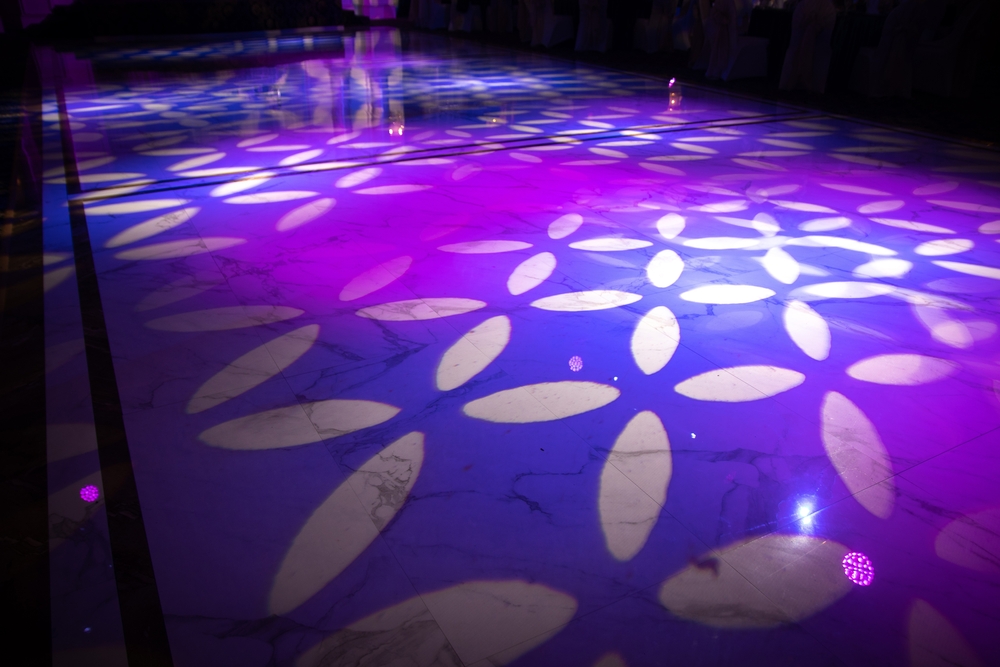
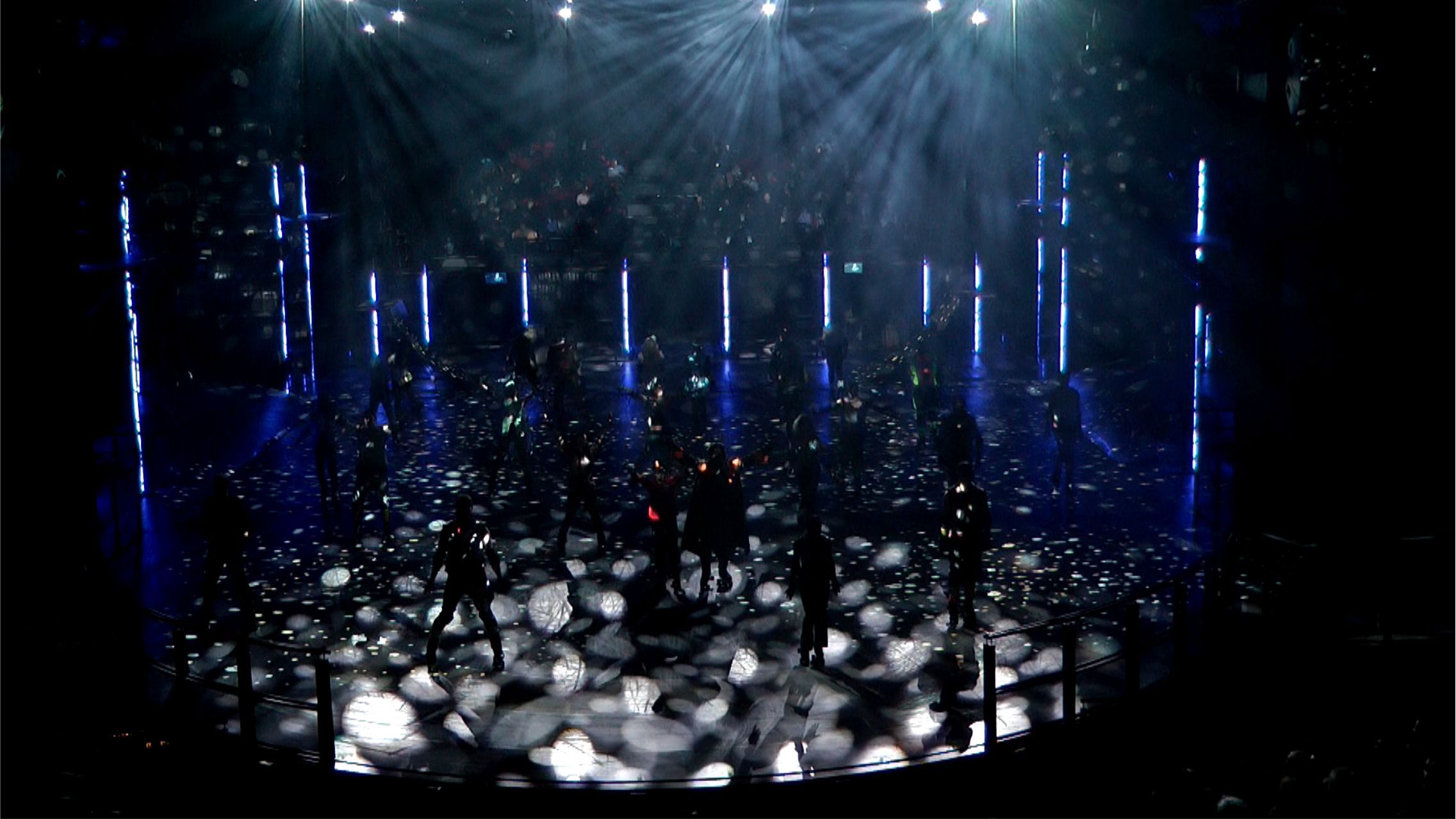
That 20-dollar gobo projector on auction sites looks tempting. The product images show crisp logos and bright patterns. But after a week, the image starts flickering. Two weeks later, the fan makes grinding noises. By the end of the month, it stops working. This happens more often than you think.
Plastic Lenses Are a Problem
Cheap projectors use plastic lenses instead of glass. At first, they work fine. But heat from the LED warps the plastic over time. The image goes out of focus. Plastic also scratches easily. A single wipe with a dry cloth leaves marks that scatter light. The image looks faded and blurry. Replacing the lens costs more than the projector itself.
Poor Heat Management
Quality projectors have aluminum heat sinks and proper fans. Cheap ones use tiny heat sinks and noisy fans that do not move enough air. The LED overheats. Its lifespan drops from 50,000 hours to just a few thousand. Brightness fades slowly, then the light dies completely.
Unreliable Power Supplies
The power supply fails first in most budget projectors. Cheap capacitors degrade under constant use. The projector starts flickering or refuses to turn on. In some cases, voltage spikes destroy the LED and control board. Repair costs exceed the price of a new unit.
Bad Color Quality
Budget LEDs have poor color rendering. Reds look orange. Whites have a blue tint. Brand logos project in the wrong colors, which looks unprofessional. Premium projectors use high-quality LEDs that show colors accurately. The difference is obvious when you compare them side by side.
Frequent Replacements Add Up
A cheap projector lasts a few months. A quality projector lasts years. Over five years, you might buy twelve cheap units. That costs far more than buying one good one from the start.
Safety Risks
Some ultra-cheap projectors lack proper grounding or thermal fuses. They can overheat dangerously. Outdoor units with poor sealing create shock hazards in rain. Reputable brands invest in safety certifications for a reason.
What to Look For
Check reviews that mention long-term use. Look for glass optics and lumen ratings, not just wattage. Ask about warranty. Two years of warranty usually means better build quality. Buy an extra gobo slide at the same time, since custom slides take time to make.
The Bottom Line
A cheap projector fails when you need it most, during a grand opening or busy holiday season. A quality projector keeps working. Spending more upfront saves money, time, and headaches in the long run.