• Afghanistan(USD $)
  • Îles Åland(EUR €)
  • Albanie(ALL L)
  • Algérie(DZD د.ج)
  • Samoa américaines(USD $)
  • Andorre(EUR €)
  • Angola(USD $)
  • Anguilla(XCD $)
  • Antarctique(USD $)
  • Antigua-et-Barbuda(XCD $)
  • Argentine(USD $)
  • Arménie(AMD Դ)
  • Aruba(AWG ƒ)
  • Île de l'Ascension(SHP £)
  • Australie(AUD AU$)
  • Autriche(EUR €)
  • Azerbaïdjan(AZN ман)
  • Bahamas(BSD BSD)
  • Bahreïn(BHD .د.ب)
  • Bangladesh(BDT ৳)
  • Barbade(BBD BBD)
  • Biélorussie(USD $)
  • Belgique(EUR €)
  • Bélize(BZD Be)
  • Bénin(XOF Fr)
  • Bermudes(BMD BD$)
  • Bhoutan(BTN Nu.)
  • Bolivie(BOB Bs.)
  • Bosnie-Herzégovine(BAM КМ)
  • Botswana(BWP P)
  • Île Bouvet(USD $)
  • Brésil(USD $)
  • Territoire britannique de l'océan Indien(USD $)
  • Brunei(BND B$)
  • Bulgarie(BGN лв)
  • Burkina Faso(XOF Fr)
  • Burundi(BIF ₣)
  • Cambodge(KHR ៛)
  • Cameroun(XAF ₣)
  • Canada(CAD $)
  • Cap-Vert(CVE $)
  • Îles Cayman(KYD $)
  • République centrafricaine(XAF ₣)
  • Tchad(XAF ₣)
  • Chili(USD $)
  • Chine(CNY ¥)
  • Île Christmas(AUD AU$)
  • Îles Cocos (Keeling)(AUD AU$)
  • Colombie(USD $)
  • Comores(KMF Fr)
  • Congo - Brazzaville(XAF ₣)
  • Congo - Kinshasa(CDF ₣)
  • Îles Cook(NZD $)
  • Costa Rica(CRC ₡)
  • Côte d’Ivoire(XOF Fr)
  • Croatie(EUR €)
  • Chypre(EUR €)
  • République tchèque(CZK Kč)
  • Danemark(DKK kr)
  • Djibouti(DJF ₣)
  • Dominique(XCD $)
  • République dominicaine(DOP $)
  • Équateur(USD $)
  • Égypte(EGP E£)
  • Salvador(USD $)
  • Guinée équatoriale(XAF ₣)
  • Érythrée(ERN Nfk)
  • Estonie(EUR €)
  • Éthiopie(ETB Br)
  • Îles Malouines(FKP FKP)
  • Îles Féroé(DKK kr)
  • Fidji(FJD FJ$)
  • Finlande(EUR €)
  • France(EUR €)
  • Guyane française(EUR €)
  • Polynésie française(XPF ₣)
  • Terres australes et antarctiques françaises(EUR €)
  • Gabon(XOF Fr)
  • Gambie(GMD D)
  • Géorgie(USD $)
  • Allemagne(EUR €)
  • Ghana(GHS ₵)
  • Gibraltar(GBP £)
  • Grèce(EUR €)
  • Groenland(DKK kr)
  • Grenade(XCD $)
  • Guadeloupe(EUR €)
  • Guam(USD $)
  • Guatemala(GTQ Q)
  • Guernesey(GBP £)
  • Guinée(GNF ₣)
  • Guinée-Bissau(XOF Fr)
  • Guyane(GYD $)
  • Haïti(USD $)
  • Îles Heard-et-MacDonald(AUD AU$)
  • Honduras(HNL L)
  • RAS de Hong Kong(HKD HK$)
  • Hongrie(HUF Ft)
  • Islande(ISK Kr)
  • Inde(INR ₹)
  • Indonésie(IDR Rp)
  • Irak(USD $)
  • Irlande(EUR €)
  • Île de Man(GBP £)
  • Israël(ILS ₪)
  • Italie(EUR €)
  • Jamaïque(JMD $)
  • Japon(JPY ¥)
  • Jersey(GBP £)
  • Jordanie(USD $)
  • Kazakhstan(KZT 〒)
  • Kenya(KES Sh)
  • Kiribati(AUD AU$)
  • Corée du Sud(KRW ₩)
  • Koweït(KWD دينار)
  • Kirghizistan(KGS С̲)
  • Laos(LAK ₭)
  • Lettonie(EUR €)
  • Liban(LBP ل.ل)
  • Lesotho(USD $)
  • Libéria(USD $)
  • Libye(USD $)
  • Liechtenstein(CHF ₣)
  • Lituanie(EUR €)
  • Luxembourg(EUR €)
  • RAS de Macao(MOP P)
  • Macédoine du Nord(MKD ден)
  • Madagascar(USD $)
  • Malawi(MWK MK)
  • Malaisie(MYR RM)
  • Maldives(MVR ރ.)
  • Mali(XOF Fr)
  • Malte(EUR €)
  • Iles Marshall(USD $)
  • Martinique(EUR €)
  • Mauritanie(USD $)
  • Île Maurice(MUR ₨)
  • Mayotte(EUR €)
  • Mexique(USD $)
  • Micronésie(USD $)
  • Moldavie(MDL L)
  • Monaco(EUR €)
  • Mongolie(MNT ₮)
  • Monténégro(EUR €)
  • Montserrat(XCD $)
  • Maroc(MAD د.م.)
  • Mozambique(USD $)
  • Myanmar (Birmanie)(MMK K)
  • Namibie(USD $)
  • Nauru(AUD AU$)
  • Népal(NPR ₨)
  • Pays-bas(EUR €)
  • Antilles néerlandaises(USD $)
  • Nouvelle-Calédonie(XPF ₣)
  • Nouvelle-Zélande(NZD $)
  • Nicaragua(NIO C$)
  • Niger(XOF Fr)
  • Nigeria(NGN ₦)
  • Niue(NZD $)
  • Île Norfolk(AUD AU$)
  • Îles Mariannes du Nord(USD $)
  • Norvège(USD $)
  • Oman(OMR ر.ع.)
  • Pakistan(PKR ₨)
  • Palau(USD $)
  • Territoires palestiniens(ILS ₪)
  • Panama(USD $)
  • Papouasie-Nouvelle-Guinée(PGK K)
  • Paraguay(PYG ₲)
  • Pérou(PEN S/)
  • Philippines(PHP ₱)
  • Îles Pitcairn(NZD $)
  • Pologne(PLN zł)
  • Portugal(EUR €)
  • Porto Rico(USD $)
  • Qatar(QAR ر.ق)
  • Réunion(EUR €)
  • Roumanie(RON L)
  • Russie(RUB р.)
  • Rwanda(RWF ₣)
  • Samoa(WST T)
  • Saint-Marin(EUR €)
  • Sao Tomé-et-Principe(USD $)
  • Arabie Saoudite(SAR ر.س)
  • Sénégal(XOF Fr)
  • Serbie(RSD din)
  • Seychelles(USD $)
  • Sierra Leone(SLL Le)
  • Singapour(SGD S$)
  • Slovaquie(EUR €)
  • Slovénie(EUR €)
  • Îles Salomon(SBD Si$)
  • Somalie(SOS Sh)
  • Afrique du Sud(USD $)
  • Géorgie du Sud et îles Sandwich du Sud(GBP £)
  • Espagne(EUR €)
  • Sri Lanka(LKR Rs)
  • Saint-Martin(EUR €)
  • Sainte-Hélène(SHP £)
  • Saint-Christophe-et-Niévès(XCD $)
  • Sainte-Lucie(XCD $)
  • Saint-Pierre-et-Miquelon(EUR €)
  • Saint-Vincent-et-les-Grenadines(XCD $)
  • Soudan(SDG ج.س.)
  • Suriname(USD $)
  • Svalbard et Jan Mayen(USD $)
  • Eswatini(USD $)
  • Suède(SEK kr)
  • Suisse(CHF ₣)
  • Taïwan(TWD NT$)
  • Tadjikistan(TJS ЅМ)
  • Tanzanie(TZS Sh)
  • Thaïlande(THB ฿)
  • Timor-Leste(USD $)
  • Togo(XOF Fr)
  • Tokelau(NZD $)
  • Tonga(TOP T$)
  • Trinité-et-Tobago(TTD TTD)
  • Tristan da Cunha(GBP £)
  • Tunisie(USD $)
  • Turquie(USD $)
  • Turkménistan(TMT m)
  • Îles Turques-et-Caïques(USD $)
  • Tuvalu(AUD AU$)
  • Ouganda(UGX Sh)
  • Ukraine(UAH ₴)
  • Émirats Arabes Unis(AED د.إ)
  • Royaume-Uni(GBP £)
  • États-Unis(USD $)
  • Îles mineures éloignées des États-Unis(USD $)
  • Uruguay(UYU $)
  • Ouzbékistan(UZS лв)
  • Vanuatu(VUV Vt)
  • Cité du Vatican(EUR €)
  • Venezuela(USD $)
  • Vietnam(VND ₫)
  • Les iles vierges(USD $)
  • Îles Vierges britanniques(USD $)
  • Wallis-et-Futuna(XPF ₣)
  • Sahara Occidental(MAD د.م.)
  • Yémen(YER ﷼)
  • Zambie(USD $)
  • Zimbabwe(USD $)
/ /

The Intricate Process of Creating Custom Glass Gobos

Sep 06,2025 | JINGYU OPTOELEC
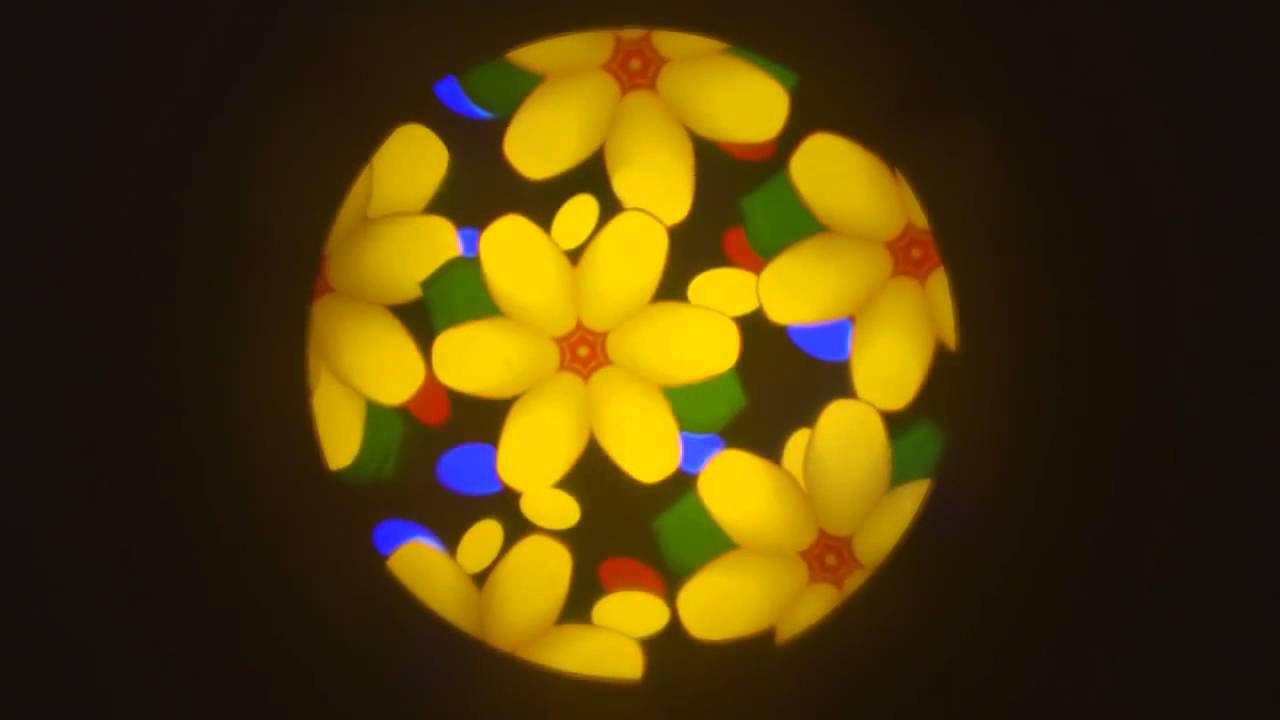
In the dynamic world of lighting design, custom gobos have emerged as a crucial element for adding a unique touch to various events and spaces. Among the different types of gobos, glass gobos stand out for their ability to produce high-definition and long-lasting projections. With the increasing demand for personalized lighting solutions in 2025, understanding the custom gobo making process, particularly for glass gobos, is essential.
 

The Allure of Glass Gobos

Glass gobos are highly sought after due to their optical clarity and durability. They can project sharp and vivid images, whether it's a company logo for a corporate event, a romantic monogram for a wedding, or an artistic pattern for a theatrical performance. Unlike plastic or metal gobos, glass gobos are less likely to warp under heat, ensuring consistent performance over time. For instance, in high-end restaurants, glass gobos are used to project elegant patterns on the walls, creating a sophisticated ambiance. The material's heat-resistance makes it suitable for use in powerful lighting fixtures that generate significant heat.

Step-by-Step Creation of Custom Glass Gobos

  1. Design Phase

The first step in creating a custom glass gobo is the design. High-quality artwork is crucial. It should be in the correct size, format, and resolution. Most designers prefer using vector-based software like Adobe Illustrator (AI) or Encapsulated PostScript (EPS) format. These formats ensure that the design can be scaled without losing its clarity. For example, if a client wants a custom gobo with their brand logo, the designer will take the logo file and optimize it for the gobo production. The design should be simple yet impactful, as overly complex designs may not translate well during the etching or laser-cutting process.

  1. Material Selection

For glass gobos, borosilicate glass is a popular choice. It has excellent heat-resistance properties, which is vital when used in lighting fixtures. The thickness of the glass also matters; typically, a thickness between 1 - 3 mm is used, depending on the specific application and the type of lighting fixture. A thicker glass may be more suitable for high-powered projectors where there is more heat generation.

  1. Etching or Laser-Cutting

  • Etching Process:

If the design requires a more detailed and precise finish, chemical etching can be used. First, the design is transferred onto a film using super-high-resolution imagesetters. For full-color glass gobos, the image is separated into CMYK layers and exposed separately onto extremely thin pieces of dichroic glass. Then, the glass is processed with a positive resist developer, followed by the use of acid to remove the coatings. After that, it is cleaned with acetone, dried, and inspected. This process is time-consuming but results in a very high-quality finish, ideal for detailed artistic designs or photographic images.

  • Laser-Cutting Process:

Laser-cutting is another method for creating glass gobos. A dedicated laser software draws precise outlines around the artwork file. The data is then sent to the laser, which cuts or engraves the design onto the glass. The glass gobo material is placed into a holder, and the laser works its magic. This method is faster than etching for simpler designs and can be used to create both monochromatic and grayscale gobos. However, it may not be as suitable for highly detailed full-color designs as chemical etching.

  1. Quality Control

Once the gobo is created, it undergoes strict quality control. Quality control experts check for any imperfections, such as scratches, uneven etching, or incorrect sizing. They also test the gobo in a sample lighting fixture to ensure that the projection is clear and accurate. For example, they will check if the logo projected is sharp and free from any distortion. Only gobos that meet the high-quality standards are approved for shipment.

  1. Mounting and Packaging

After passing the quality control, the glass gobo is prepared for shipment. It is carefully mounted in a suitable holder, depending on the type of lighting fixture it will be used with. For some fixtures, a metal bezel may be added to secure the gobo in place. The gobo is then packaged in a protective box to prevent damage during transit.

Meeting User Needs in 2025

In 2025, users are more concerned than ever about the quality and uniqueness of their custom gobos. They want a one-stop solution that can handle everything from design to delivery. Companies that offer in-house design services, a wide range of material options, and fast production times are more likely to meet the demands of customers. Additionally, with the trend towards sustainable lighting, some users may also be interested in gobos made from recycled or eco-friendly glass materials. By understanding the custom gobo making process, users can make more informed decisions when ordering their custom glass gobos, ensuring they get the best product for their lighting needs.

Commentaire

Nom
Mail
Commentaire