• Afghanistan(USD $)
  • Îles Åland(EUR €)
  • Albanie(ALL L)
  • Algérie(DZD د.ج)
  • Samoa américaines(USD $)
  • Andorre(EUR €)
  • Angola(USD $)
  • Anguilla(XCD $)
  • Antarctique(USD $)
  • Antigua-et-Barbuda(XCD $)
  • Argentine(USD $)
  • Arménie(AMD Դ)
  • Aruba(AWG ƒ)
  • Île de l'Ascension(SHP £)
  • Australie(AUD AU$)
  • Autriche(EUR €)
  • Azerbaïdjan(AZN ман)
  • Bahamas(BSD BSD)
  • Bahreïn(BHD .د.ب)
  • Bangladesh(BDT ৳)
  • Barbade(BBD BBD)
  • Biélorussie(USD $)
  • Belgique(EUR €)
  • Bélize(BZD Be)
  • Bénin(XOF Fr)
  • Bermudes(BMD BD$)
  • Bhoutan(BTN Nu.)
  • Bolivie(BOB Bs.)
  • Bosnie-Herzégovine(BAM КМ)
  • Botswana(BWP P)
  • Île Bouvet(USD $)
  • Brésil(USD $)
  • Territoire britannique de l'océan Indien(USD $)
  • Brunei(BND B$)
  • Bulgarie(BGN лв)
  • Burkina Faso(XOF Fr)
  • Burundi(BIF ₣)
  • Cambodge(KHR ៛)
  • Cameroun(XAF ₣)
  • Canada(CAD $)
  • Cap-Vert(CVE $)
  • Îles Cayman(KYD $)
  • République centrafricaine(XAF ₣)
  • Tchad(XAF ₣)
  • Chili(USD $)
  • Chine(CNY ¥)
  • Île Christmas(AUD AU$)
  • Îles Cocos (Keeling)(AUD AU$)
  • Colombie(USD $)
  • Comores(KMF Fr)
  • Congo - Brazzaville(XAF ₣)
  • Congo - Kinshasa(CDF ₣)
  • Îles Cook(NZD $)
  • Costa Rica(CRC ₡)
  • Côte d’Ivoire(XOF Fr)
  • Croatie(EUR €)
  • Chypre(EUR €)
  • République tchèque(CZK Kč)
  • Danemark(DKK kr)
  • Djibouti(DJF ₣)
  • Dominique(XCD $)
  • République dominicaine(DOP $)
  • Équateur(USD $)
  • Égypte(EGP E£)
  • Salvador(USD $)
  • Guinée équatoriale(XAF ₣)
  • Érythrée(ERN Nfk)
  • Estonie(EUR €)
  • Éthiopie(ETB Br)
  • Îles Malouines(FKP FKP)
  • Îles Féroé(DKK kr)
  • Fidji(FJD FJ$)
  • Finlande(EUR €)
  • France(EUR €)
  • Guyane française(EUR €)
  • Polynésie française(XPF ₣)
  • Terres australes et antarctiques françaises(EUR €)
  • Gabon(XOF Fr)
  • Gambie(GMD D)
  • Géorgie(USD $)
  • Allemagne(EUR €)
  • Ghana(GHS ₵)
  • Gibraltar(GBP £)
  • Grèce(EUR €)
  • Groenland(DKK kr)
  • Grenade(XCD $)
  • Guadeloupe(EUR €)
  • Guam(USD $)
  • Guatemala(GTQ Q)
  • Guernesey(GBP £)
  • Guinée(GNF ₣)
  • Guinée-Bissau(XOF Fr)
  • Guyane(GYD $)
  • Haïti(USD $)
  • Îles Heard-et-MacDonald(AUD AU$)
  • Honduras(HNL L)
  • RAS de Hong Kong(HKD HK$)
  • Hongrie(HUF Ft)
  • Islande(ISK Kr)
  • Inde(INR ₹)
  • Indonésie(IDR Rp)
  • Irak(USD $)
  • Irlande(EUR €)
  • Île de Man(GBP £)
  • Israël(ILS ₪)
  • Italie(EUR €)
  • Jamaïque(JMD $)
  • Japon(JPY ¥)
  • Jersey(GBP £)
  • Jordanie(USD $)
  • Kazakhstan(KZT 〒)
  • Kenya(KES Sh)
  • Kiribati(AUD AU$)
  • Corée du Sud(KRW ₩)
  • Koweït(KWD دينار)
  • Kirghizistan(KGS С̲)
  • Laos(LAK ₭)
  • Lettonie(EUR €)
  • Liban(LBP ل.ل)
  • Lesotho(USD $)
  • Libéria(USD $)
  • Libye(USD $)
  • Liechtenstein(CHF ₣)
  • Lituanie(EUR €)
  • Luxembourg(EUR €)
  • RAS de Macao(MOP P)
  • Macédoine du Nord(MKD ден)
  • Madagascar(USD $)
  • Malawi(MWK MK)
  • Malaisie(MYR RM)
  • Maldives(MVR ރ.)
  • Mali(XOF Fr)
  • Malte(EUR €)
  • Iles Marshall(USD $)
  • Martinique(EUR €)
  • Mauritanie(USD $)
  • Île Maurice(MUR ₨)
  • Mayotte(EUR €)
  • Mexique(USD $)
  • Micronésie(USD $)
  • Moldavie(MDL L)
  • Monaco(EUR €)
  • Mongolie(MNT ₮)
  • Monténégro(EUR €)
  • Montserrat(XCD $)
  • Maroc(MAD د.م.)
  • Mozambique(USD $)
  • Myanmar (Birmanie)(MMK K)
  • Namibie(USD $)
  • Nauru(AUD AU$)
  • Népal(NPR ₨)
  • Pays-bas(EUR €)
  • Antilles néerlandaises(USD $)
  • Nouvelle-Calédonie(XPF ₣)
  • Nouvelle-Zélande(NZD $)
  • Nicaragua(NIO C$)
  • Niger(XOF Fr)
  • Nigeria(NGN ₦)
  • Niue(NZD $)
  • Île Norfolk(AUD AU$)
  • Îles Mariannes du Nord(USD $)
  • Norvège(USD $)
  • Oman(OMR ر.ع.)
  • Pakistan(PKR ₨)
  • Palau(USD $)
  • Territoires palestiniens(ILS ₪)
  • Panama(USD $)
  • Papouasie-Nouvelle-Guinée(PGK K)
  • Paraguay(PYG ₲)
  • Pérou(PEN S/)
  • Philippines(PHP ₱)
  • Îles Pitcairn(NZD $)
  • Pologne(PLN zł)
  • Portugal(EUR €)
  • Porto Rico(USD $)
  • Qatar(QAR ر.ق)
  • Réunion(EUR €)
  • Roumanie(RON L)
  • Russie(RUB р.)
  • Rwanda(RWF ₣)
  • Samoa(WST T)
  • Saint-Marin(EUR €)
  • Sao Tomé-et-Principe(USD $)
  • Arabie Saoudite(SAR ر.س)
  • Sénégal(XOF Fr)
  • Serbie(RSD din)
  • Seychelles(USD $)
  • Sierra Leone(SLL Le)
  • Singapour(SGD S$)
  • Slovaquie(EUR €)
  • Slovénie(EUR €)
  • Îles Salomon(SBD Si$)
  • Somalie(SOS Sh)
  • Afrique du Sud(USD $)
  • Géorgie du Sud et îles Sandwich du Sud(GBP £)
  • Espagne(EUR €)
  • Sri Lanka(LKR Rs)
  • Saint-Martin(EUR €)
  • Sainte-Hélène(SHP £)
  • Saint-Christophe-et-Niévès(XCD $)
  • Sainte-Lucie(XCD $)
  • Saint-Pierre-et-Miquelon(EUR €)
  • Saint-Vincent-et-les-Grenadines(XCD $)
  • Soudan(SDG ج.س.)
  • Suriname(USD $)
  • Svalbard et Jan Mayen(USD $)
  • Eswatini(USD $)
  • Suède(SEK kr)
  • Suisse(CHF ₣)
  • Taïwan(TWD NT$)
  • Tadjikistan(TJS ЅМ)
  • Tanzanie(TZS Sh)
  • Thaïlande(THB ฿)
  • Timor-Leste(USD $)
  • Togo(XOF Fr)
  • Tokelau(NZD $)
  • Tonga(TOP T$)
  • Trinité-et-Tobago(TTD TTD)
  • Tristan da Cunha(GBP £)
  • Tunisie(USD $)
  • Turquie(USD $)
  • Turkménistan(TMT m)
  • Îles Turques-et-Caïques(USD $)
  • Tuvalu(AUD AU$)
  • Ouganda(UGX Sh)
  • Ukraine(UAH ₴)
  • Émirats Arabes Unis(AED د.إ)
  • Royaume-Uni(GBP £)
  • États-Unis(USD $)
  • Îles mineures éloignées des États-Unis(USD $)
  • Uruguay(UYU $)
  • Ouzbékistan(UZS лв)
  • Vanuatu(VUV Vt)
  • Cité du Vatican(EUR €)
  • Venezuela(USD $)
  • Vietnam(VND ₫)
  • Les iles vierges(USD $)
  • Îles Vierges britanniques(USD $)
  • Wallis-et-Futuna(XPF ₣)
  • Sahara Occidental(MAD د.م.)
  • Yémen(YER ﷼)
  • Zambie(USD $)
  • Zimbabwe(USD $)
/ /

What is the difference between static and spin gobos?

Dec 24,2024


What is the Difference Between Static and Spin Gobos?

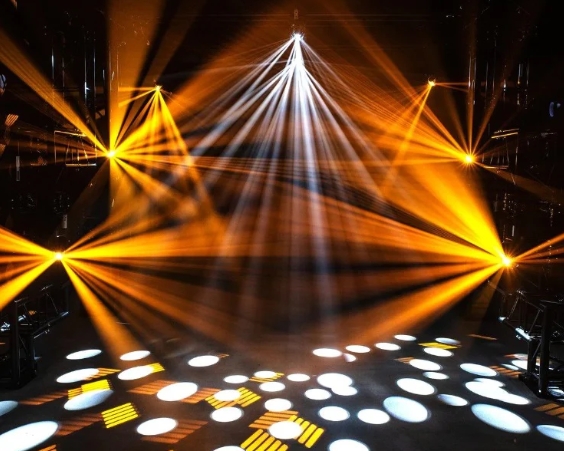
Lighting design plays a crucial role in creating the right ambiance for any event or venue. One tool that lighting designers use to enhance their creativity is the gobo. A gobo is a stencil or template used to project various patterns, textures, or images onto surfaces. There are two main types of gobos: static and spin gobos. In this article, we will explore the differences between these two types, their advantages and disadvantages, and their best use-cases.
Understanding Static Gobos

Definition and Characteristics: Static gobos are fixed stencils made from materials like steel or glass. They have a static design that remains constant during the projection. These gobos create sharp, well-defined patterns with minimal or no movement.

Types and Variations: Static gobos come in various forms. Steel gobos are known for their durability and cost-effectiveness. They are crafted by precision cutting a steel sheet. On the other hand, glass gobos provide intricate details and vibrant colors. They are created by applying heat-resistant glass coatings.

Advantages and Disadvantages: Static gobos have a few advantages. They are easy to use and require little to no programming. As they do not move, they can be projected onto any surface without the risk of distortion. However, the lack of movement limits the animation possibilities of static gobos, making them less suitable for dynamic light shows or events that require constant visual changes.

Best Use-Cases for Static Gobos: Static gobos are ideal for creating static patterns, logos, or textures on walls, floors, or ceilings. They are commonly used in architectural lighting, retail environments, and corporate events where a consistent and unchanging projection is desired.

Exploring Spin Gobos

Definition and Characteristics: Spin gobos, also known as rotating or moving gobos, are designed to create dynamic patterns by spinning or rotating the gobo within the light fixture. This movement brings life to the projected image, creating animated effects.

Types and Variations: Similar to static gobos, spin gobos are available in steel and glass variations. Steel spin gobos are popular for their durability and affordability. Glass spin gobos offer more intricate designs, smoother animations, and vibrant colors.

Advantages and Disadvantages: Spin gobos provide a broader range of creative possibilities due to their ability to create moving patterns and animations. They are ideal for events that require dynamic visuals and eye-catching effects. However, the complexity of spin gobos requires more advanced programming and careful alignment, making them more challenging to work with.

Best Use-Cases for Spin Gobos: Spin gobos are often used in theatrical productions, concerts, clubs, and other entertainment settings where animated effects are desired. They are also suitable for creating captivating displays in retail spaces and special events where dynamic and ever-changing lighting is essential.

Static Gobos vs. Spin Gobos: A Comparison

Key Differences in Design and Application: The primary difference between static and spin gobos lies in their ability to create movement. Static gobos offer sharper and more precise projections, while spin gobos allow for dynamic animations.

Impact on Light Projection: Static gobos produce evenly illuminated projections without any moving elements. In contrast, spin gobos create a sense of motion and can generate moving patterns or rolling effects.

Considerations for Different Venues and Events: The choice between static and spin gobos depends on the specific needs of the event or venue. Static gobos are better suited for environments that require a consistent theme, while spin gobos are ideal for creating an energetic atmosphere or storytelling through light.

Cost Factors to Consider: In general, static gobos tend to be more cost-effective than spin gobos. The materials used and the complexity of spin gobos contribute to their higher price point.

Choosing the Right Gobo for Your Project

Determining Your Needs and Objectives: Before selecting a gobo, it is crucial to define your objectives and the desired effect. Consider the type of event, the mood you want to create, and whether dynamic or static projections are more suitable.

Budget Considerations: Evaluate your budget and factor in the cost of gobos, lighting fixtures, and any additional equipment required for installation. Determine which option aligns with your budget constraints without compromising the artistic vision.

Consulting with Lighting Designers: If you are uncertain about which gobo type is best for your project, seek advice from professional lighting designers. They have the expertise to guide you in making an informed decision that aligns with your objectives and budget.

Conclusion

To summarize, both static and spin gobos have their unique characteristics and applications. Static gobos provide sharp, fixed patterns, while spin gobos offer dynamic and animated effects. The choice between the two depends on the specific requirements of your project and the mood you wish to create. By understanding their differences, advantages, and best use-cases, you can make an informed decision and elevate your lighting design to new heights.

Remember, whether you opt for static or spin gobos, experimenting with different designs and effects can help unleash your creativity and bring your vision to life.


Commentaire
Nom
Mail
Commentaire