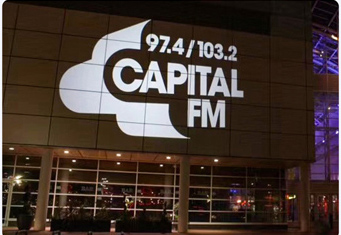
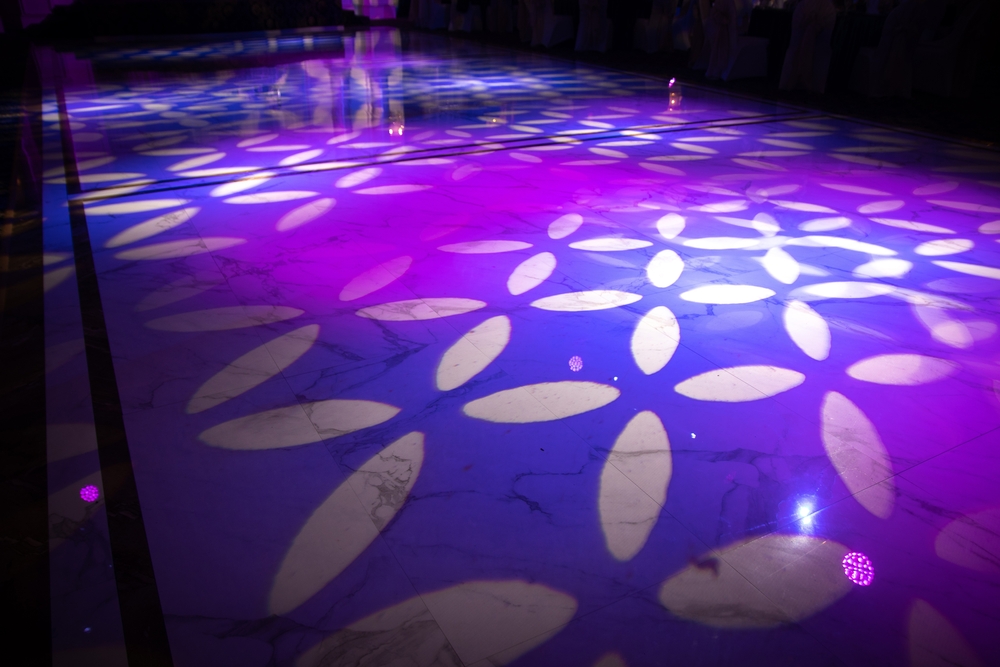
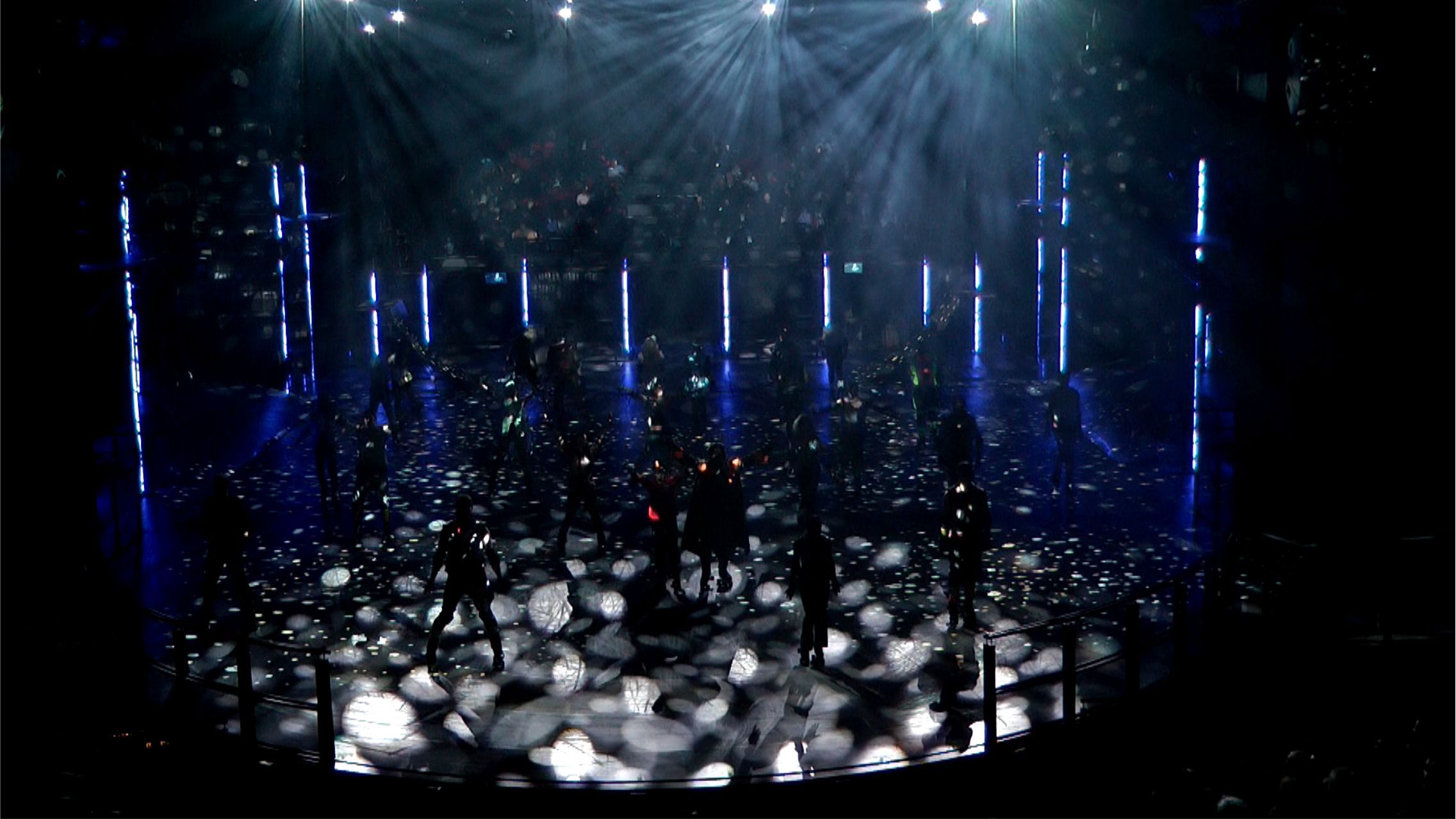
Walk past any flagship store in New York, London, or Tokyo right now, and you will notice something different. The entrance is not just lit—it is branded. That sharp logo spinning gently on the sidewalk? That is the work of a modern gobo projector. But in 2026, this technology has moved far beyond static logos.
From Static Logos to Dynamic Storytelling
For years, a gobo projector meant a simple metal or glass slide with a company logo. Today, driven by competition for foot traffic, retailers are using rotating gobo projectors and motion gobo projectors to create immersive entryways. Imagine a coffee shop projecting animated steam rising from a cup, or a shoe store displaying rotating sneaker silhouettes. This evolution from static to kinetic projection is the single hottest topic in architectural lighting right now.
Key Buying Factors for Commercial Users
If you are searching for a gobo projector for business, the 2026 market offers three critical upgrades compared to last year:
-
LED Efficiency: Modern units consume 80% less power than traditional discharge lamps, allowing 24/7 operation without heat damage.
-
Interchangeable Lenses: A quality gobo projector now includes zoom lenses (15°–45°) so one unit works for both sidewalk projections and tall building facades.
-
Remote Control: Forget ladders. New Bluetooth-enabled models let you change gobos or adjust focus from your phone.
Avoiding the “Washed-Out” Disaster
The most common complaint among first-time buyers is a faded, blurry image. This is usually caused by poor optics. When shopping for a gobo projector, always check for glass gobos instead of cheap metal ones (glass holds sharper details) and ensure the lens has anti-reflective coatings to eliminate stray light. A professional gobo projector should look crisp even at dusk.
Real-World Success
A mid-sized boutique in Chicago recently installed two rotating logo gobo projectors at their entrance. Within three weeks, they reported a 22% increase in after-dark walk-ins. Customers simply saw the animated logo, thought "this place looks fun," and entered. That is the measurable power of a gobo projector in 2026.
Final Advice
Do not buy the cheapest unit on Amazon. A commercial-grade gobo projector with a proper glass gobo and zoom lens costs $300–$800, but it will run for 50,000 hours. Match that against daily foot traffic gains, and the ROI is undeniable. Whether you need a static logo or a rotating pattern, the right gobo projector turns your building entrance into a 24/7 billboard.