/
/
Gobo Lighting Revolution: How to Design Stunning Custom Gobos for Outdoor Projections
Gobo Lighting Revolution: How to Design Stunning Custom Gobos for Outdoor Projections
Nov 29,2025 | JINGYU OPTOELEC
In 2025, gobo light technology has evolved beyond simple pattern projection to become a cornerstone of modern outdoor design and branding. Whether you're illuminating a storefront, creating a magical event atmosphere, or transforming architectural facades, custom gobo design is the secret to captivating visual storytelling. This comprehensive guide reveals how to create professional-grade gobos that turn ordinary spaces into extraordinary experiences, using the latest techniques and tools that align with current lighting trends.
What Are Gobos and Why They Matter for Outdoor Projection
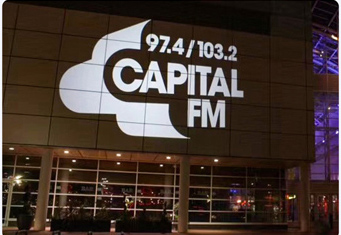
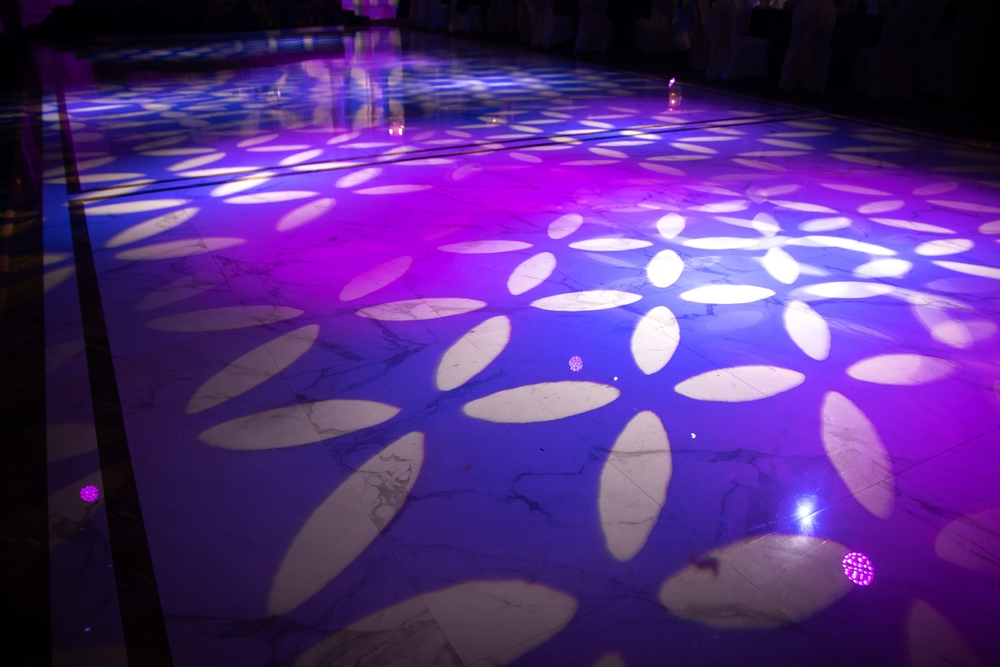
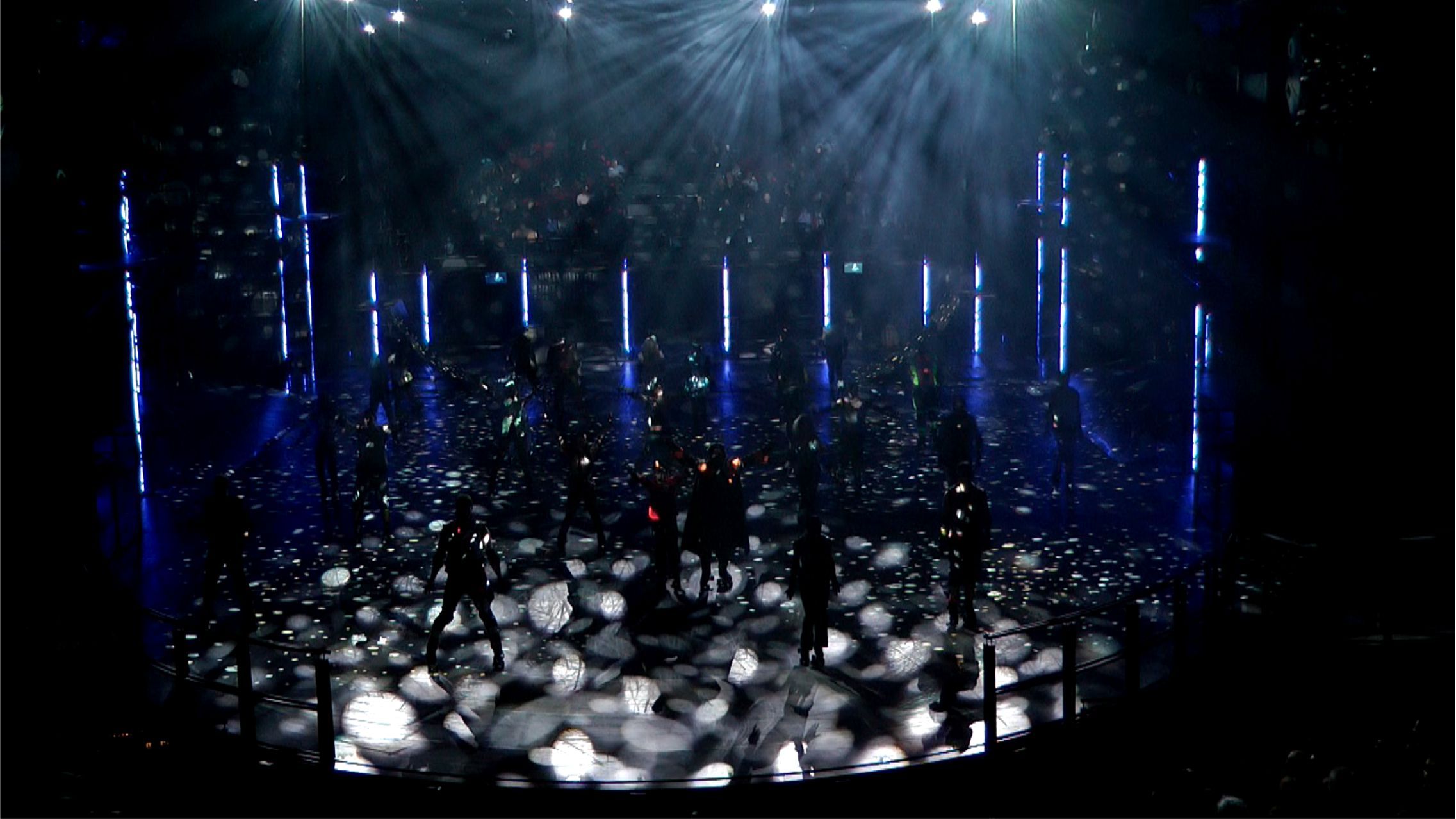
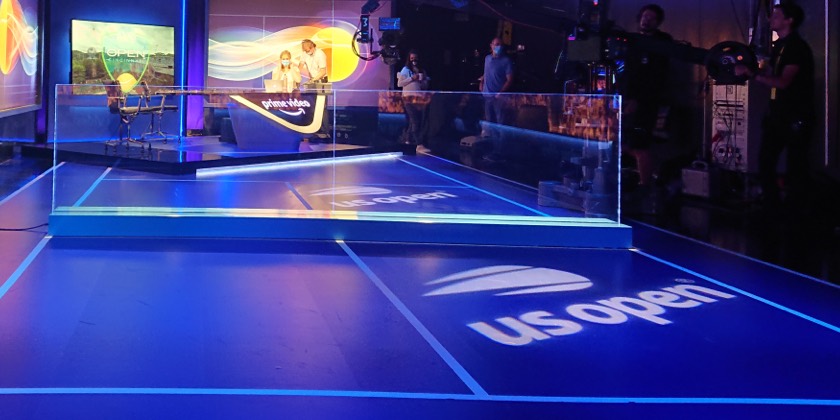
Gobos (short for "Goes Between Optics") are stencils or templates placed in front of a light source to project patterns, images, or logos onto surfaces. In outdoor applications, they've become indispensable for outdoor event lighting design, brand visibility, and architectural enhancement. Unlike traditional lighting, gobos allow you to change your space's look instantly—simply swap out the gobo disc to transform from a corporate logo to holiday-themed projections.
The outdoor gobo projector market is booming, with IP65/IP67 waterproof fixtures now affordable for both commercial and residential use. Businesses leverage them for 24/7 brand exposure by projecting logos onto storefronts after dark, while event planners use thematic patterns to elevate weddings, festivals, or seasonal gatherings. Homeowners also embrace gobos to add visual interest to gardens, pools, or pathways, making outdoor spaces more inviting.
The Art & Science of Designing Effective Custom Gobos
Step 1: Choose the Right Gobo Material
Your material choice directly impacts projection quality and durability, so it’s critical to match it to your use case. Glass gobos are ideal for high-detail logos and full-color designs, offering crisp edges, vibrant hues, and excellent heat resistance—perfect for commercial spaces or events where image clarity is non-negotiable. However, they tend to be more expensive and slightly fragile, requiring careful handling.
For durable outdoor use and simple patterns (like geometric shapes or silhouettes), metal gobos (typically stainless steel) are a top pick. They’re affordable, tough enough to withstand harsh weather, and heat-resistant, making them suitable for long-term installations. The tradeoff is limited color options—metal gobos work best with monochromatic projections, as they rely on the gobo projector’s light color to add hue.
Digital gobos are a modern alternative for complex animations or frequent design changes. They don’t require physical templates; instead, designs are loaded digitally, offering unlimited customization and easy updates. This makes them ideal for dynamic events or businesses that frequently refresh their branding, though they do require specialized digital gobo projector equipment.
For outdoor applications where durability and image quality are equally important, IP67-rated glass gobos are the gold standard—they withstand rain, dust, and temperature fluctuations while delivering premium projection results.
Step 2: Design Principles for Impactful Projections
Creating a custom gobo that stands out outdoors requires balancing creativity with practicality. Start by keeping designs simple: intricate details may blur when projected from a distance, so focus on bold shapes, clear lines, and strong contrast. Test your design at the intended projection distance to ensure clarity—what looks sharp on a computer screen may lose definition when scaled to a building facade or large event space.
Use vector graphics (e.g., Adobe Illustrator, CorelDRAW) for scalability and precision. Unlike raster images (JPG/PNG), vectors won’t pixelate when enlarged, ensuring your gobo looks crisp at any size. Prioritize clear light/dark areas in your design—this contrast is key for visibility, especially in ambient light or urban environments where streetlights may compete with your projection.
Mind the standard gobo dimensions (usually 53.3mm OD with 25mm ID) to ensure compatibility with most gobo projector models. If you’re using a rotating gobo light, design patterns that feel dynamic in motion—spirals, concentric circles, or flowing lines work exceptionally well to create the illusion of movement, like falling snow or rippling water.
Step 3: Create Your Design with Professional Tips
You don’t need to be a graphic designer to craft stunning custom gobos. Start by importing a photo of your projection surface into your design software—this helps you visualize scaling, alignment, and how the pattern will interact with the space (e.g., architectural features or landscaping). Layer elements for depth: use foreground elements (sharp focus) for key details (like logos) and background elements (softer focus) for ambiance (like subtle textures).
Add animation potential if you’re using a motorized gobo projector. Include elements that enhance with rotation, such as overlapping shapes that create a mesmerizing effect when spun. For brand-focused designs, ensure colors match your brand palette—many professional gobo manufacturers offer Pantone matching to maintain consistency across all marketing touchpoints.
If you’re new to design, leverage online tools: many manufacturers provide user-friendly platforms where you can upload logos or artwork, and they handle the technical conversion to a gobo-ready file. You can also access pre-designed pattern libraries for holidays, seasons, or themes to jumpstart your project, then customize with your brand elements.
Tools & Resources for Gobo Designers
The rise of gobo lighting has made design resources more accessible than ever. For beginners, online design tools (like Canva Pro or manufacturer-specific platforms) offer templates and drag-and-drop functionality to simplify the process. For complex projects—such as full-color architectural projections or animated sequences—hire a lighting designer experienced with gobo lighting techniques to create bespoke solutions tailored to your space and goals.
Manufacturer template libraries are a great starting point for seasonal or thematic designs, with options ranging from Christmas snowflakes to summer palm leaves. Many also offer design reviews to ensure your custom gobo is compatible with your gobo projector and optimized for outdoor use.
How to Maximize Your Custom Gobo Investment
Outdoor Installation Best Practices
Proper installation is key to getting the most out of your custom gobo and gobo projector. Mount the fixture at the optimal angle to avoid glare—test multiple positions during daylight to ensure the projection is even and doesn’t wash out in direct sun or ambient light. Use weatherproof mounting brackets and hardware to secure the projector, especially in high-wind areas.
Follow manufacturer guidelines for projection distance: too close, and the image will be distorted; too far, and it will lose brightness. For example, a 50W gobo projector works best for distances up to 30 feet, while a 300W model can cover 50+ feet for large facades or event spaces. Ensure the projection surface is clean and flat whenever possible—textured surfaces (like brick) may soften details, so adjust your design accordingly (e.g., bolder lines for rough walls).
Maintenance Tips for Longevity
To extend the life of your custom gobos and gobo projector, establish a regular maintenance routine. Clean the projector lens monthly with a microfiber cloth to remove dust and debris that can dim projections or cause blurring. Inspect gobos periodically for signs of wear: metal gobos may develop dull edges over time, while glass gobos can discolor from heat—replace them promptly to maintain image quality.
For rotating gobo light fixtures, check the motor mechanism quarterly to ensure smooth operation. Lubricate moving parts (per manufacturer instructions) and tighten any loose screws to prevent vibration or noise. Store unused gobos in a dry, protective case to avoid scratches or damage, and always power off the projector before swapping gobos to prevent heat-related injuries.
Why 2025 is the Perfect Time to Adopt Gobo Lighting
The outdoor gobo light industry has reached a tipping point—prices are more affordable than ever, while technology and features continue to advance. Energy-efficient LED sources are now standard, reducing operating costs by up to 80% compared to traditional bulbs and offering lifespans of 50,000+ hours (equivalent to 10+ years of daily use).
Whether you're a business owner looking to enhance nighttime visibility, an event planner seeking to create unforgettable experiences, or a homeowner wanting to elevate curb appeal, custom gobos offer unmatched versatility, affordability, and visual impact. They align with 2025’s top lighting trends—sustainability, customization, and multi-functional design—making them a smart investment for any project.
Don't settle for ordinary lighting—illuminate your world with purpose, personality, and precision using the transformative power of gobo lighting in 2025. Your next project deserves more than just light; it deserves to make a statement.