Gobo Technology Advancements: Micro LED, AI, and Sustainability Shaping the Future
Feb 18,2026 | JINGYU OPTOELEC
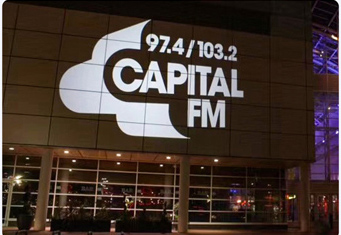
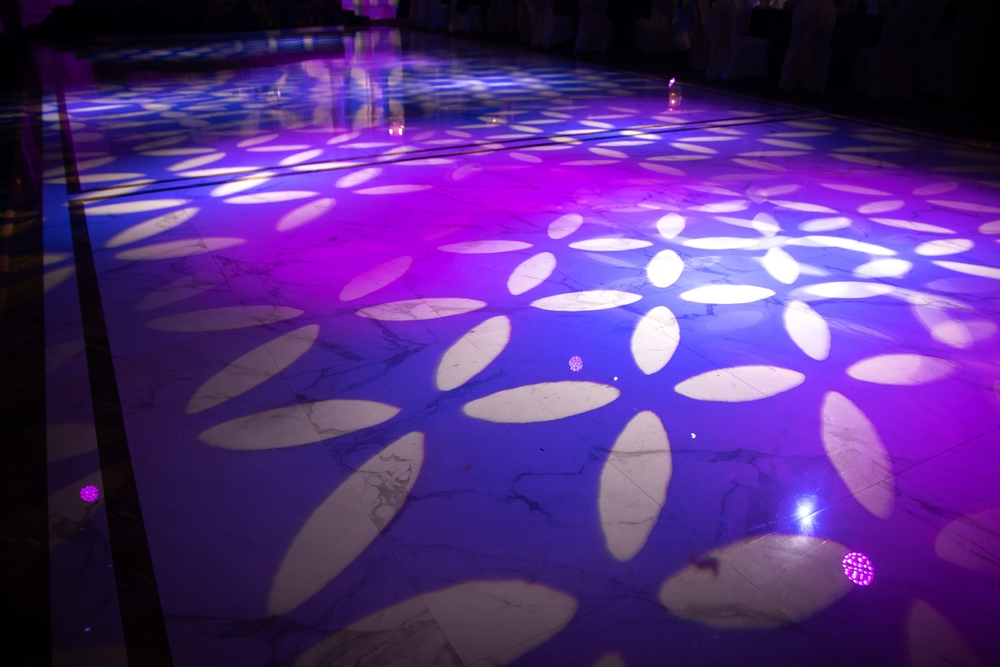
2025 marks a pivotal year for gobo technology, with breakthroughs in Micro LED displays, AI integration, and sustainable materials transforming their performance and applications. The global shift toward “human-centric” AI and advanced display technology has propelled gobos from niche lighting tools to versatile, future-ready solutions. From higher brightness and sharper projections to eco-friendly designs, here’s how technological innovations are elevating gobos across industries.![]()
Micro LED: The Change Of Gobo Projections
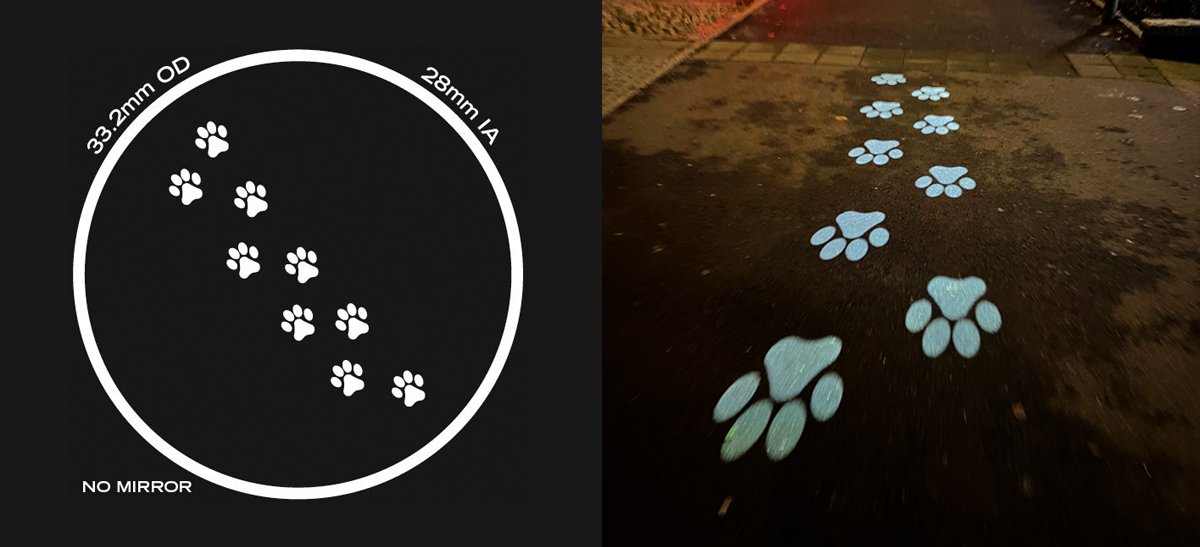
Micro LED technology has emerged as a dominant force in gobo lighting, addressing key limitations of traditional LED and OLED solutions. As seen in 2026’s smart glasses and display innovations, Micro LED offers unmatched brightness (up to 2000nits for micro-displays), ultra-long lifespan (100,000+ hours), and nanosecond response times—making it ideal for high-performance gobos. Gobo lights equipped with Micro LED chips deliver sharper, more vibrant projections even in direct sunlight or bright indoor environments, a critical advantage for commercial and outdoor applications.
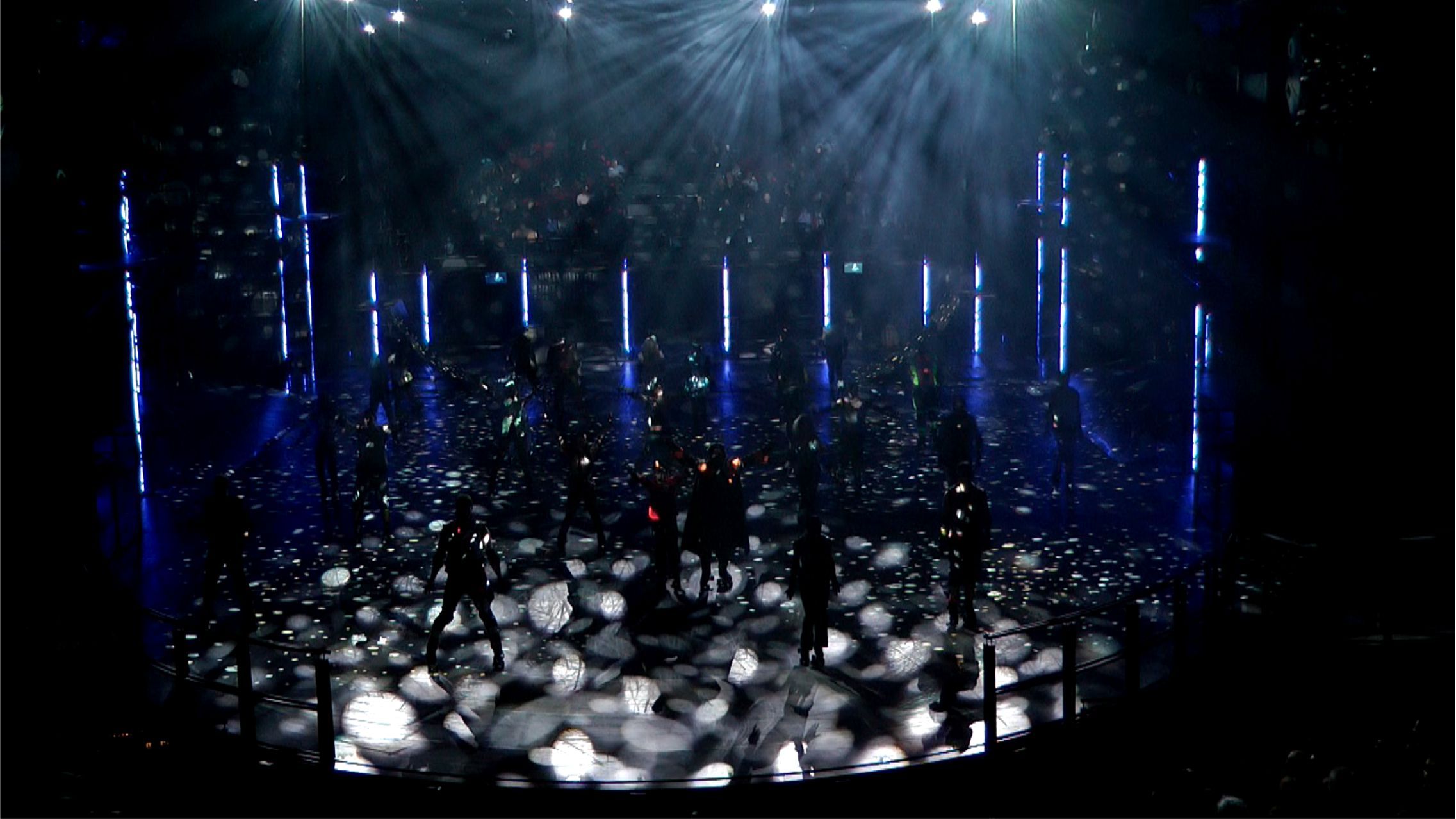
2026 has also seen a significant reduction in Micro LED costs, thanks to improved manufacturing yields (projected to rise from 65% to 85%) and increased domestic production of core materials like IGZO (indium gallium zinc oxide). This cost decline has made Micro LED-equipped gobos accessible to a broader range of businesses, from small retailers to large-scale event planners. For example, stage lighting designers now use Micro LED gobos to create high-contrast, dynamic patterns that enhance live performances without the risk of overheating or color fading.
AI and Smart Control: Simplifying Gobo Management
AI integration has revolutionized how gobos are controlled and customized, aligning with AI-driven technology. Modern gobo lights feature AI-powered voice and gesture control, with complex command recognition rates as high as 98%. This allows users to adjust projection patterns, colors, and brightness in real time, without the need for manual programming or complex controllers.
IoT (Internet of Things) connectivity has further enhanced gobo functionality. Businesses can now manage multiple gobo lights remotely via cloud-based platforms, syncing projections across locations or adjusting content based on real-time data (e.g., foot traffic, weather conditions). For industrial settings, this means gobo lights can automatically switch between safety warnings and workflow guides, improving operational efficiency and reducing human error.
Sustainable Materials: Eco-Friendly Gobos for a Greener Future
Sustainability has become a key focus in the gobo industry, with manufacturers prioritizing eco-friendly materials and energy-efficient designs. In 2026, lead-free glass gobos have become mandatory in the EU under RoHS 3.0 standards, replacing traditional lead-based coatings that pose environmental risks. Additionally, plant-based biodegradable plastic gobos are gaining traction, offering a sustainable alternative to single-use plastic models and reducing waste from short-term events.
LED-powered gobo lights continue to lead in energy efficiency, consuming 40% less power than traditional halogen models. Newer designs also feature low standby power (less than 0.5W) and recyclable components, further reducing their environmental footprint. For businesses aiming to meet sustainability goals, eco-friendly gobos not only reduce impact but also resonate with environmentally conscious consumers.
Cross-Industry Integration: Tech-Driven Gobo Applications
Technological advancements have expanded gobo applications beyond commercial and entertainment sectors, into industrial, architectural, and educational fields. In industrial settings, high-brightness Micro LED gobos project safety symbols and workflow guides in low-light or harsh environments (e.g., warehouses, construction sites), reducing accident rates by 30% according to 2026 industry data superscript:2. In architecture, large-scale gobo lights with IoT connectivity are used to illuminate city landmarks, syncing with smart city systems to create dynamic, energy-efficient light shows—such as the Burj Khalifa’s 2026 New Year’s display.
In education and cultural institutions, Micro LED gobos deliver high-definition projections for interactive learning and exhibit enhancement. Museums use gobos to project detailed historical images onto artifacts without causing damage, while schools leverage portable gobo lights to make lessons more engaging—aligning with the trend of experiential education.
As we move further into 2026, gobos and gobo lights will continue to evolve, driven by Micro LED, AI, and sustainability innovations. Whether enhancing commercial experiences, improving industrial safety, or transforming architectural spaces, these technologies are proving that gobos are more than just lighting tools—they are essential components of a smarter, more engaging, and greener future.
コメントを投稿