• アイスランド(ISK Kr)
  • アイルランド(EUR €)
  • ガーナ(GHS ₵)
  • カーボベルデ(CVE $)
  • ガーンジー(GBP £)
  • アゼルバイジャン(AZN ман)
  • アセンション島(SHP £)
  • タークス・カイコス諸島(USD $)
  • バーレーン(BHD .د.ب)
  • ハード島・マクドナルド諸島(AUD AU$)
  • アフガニスタン(USD $)
  • マーシャル諸島(USD $)
  • アメリカ合衆国(USD $)
  • アメリカ領サモア(USD $)
  • アラブ首長国連邦(AED د.إ)
  • アルジェリア(DZD د.ج)
  • アルゼンチン(USD $)
  • アルバ(AWG ƒ)
  • アルバニア(ALL L)
  • アルメニア(AMD Դ)
  • アンギラ(XCD $)
  • アンゴラ(USD $)
  • アンティグア・バーブーダ(XCD $)
  • アンドラ(EUR €)
  • イエメン(YER ﷼)
  • イギリス(GBP £)
  • イギリス領インド洋地域(USD $)
  • イスラエル(ILS ₪)
  • イタリア(EUR €)
  • イラク(USD $)
  • インド(INR ₹)
  • インドネシア(IDR Rp)
  • ヴァージン諸島(USD $)
  • ウォリス・フツナ(XPF ₣)
  • ウガンダ(UGX Sh)
  • ウクライナ(UAH ₴)
  • スーダン(SDG ج.س.)
  • ウズベキスタン(UZS лв)
  • ブータン(BTN Nu.)
  • ブーベ島(USD $)
  • ウルグアイ(UYU $)
  • ルーマニア(RON L)
  • エクアドル(USD $)
  • エジプト(EGP E£)
  • エストニア(EUR €)
  • エスワティニ(USD $)
  • セーシェル(USD $)
  • エチオピア(ETB Br)
  • エリトリア(ERN Nfk)
  • エルサルバドル(USD $)
  • オマーン(OMR ر.ع.)
  • オーストラリア(AUD AU$)
  • オーストリア(EUR €)
  • オーランド諸島(EUR €)
  • コートジボワール(XOF Fr)
  • トーゴ(XOF Fr)
  • ノーフォーク島(AUD AU$)
  • ポーランド(PLN zł)
  • モーリシャス(MUR ₨)
  • モーリタニア(USD $)
  • オランダ(EUR €)
  • オランダ領アンティル(USD $)
  • カタール(QAR ر.ق)
  • ガイアナ(GYD $)
  • カザフスタン(KZT 〒)
  • カナダ(CAD $)
  • ガボン(XOF Fr)
  • カメルーン(XAF ₣)
  • ガンビア(GMD D)
  • カンボジア(KHR ៛)
  • ギニア(GNF ₣)
  • ギニアビサウ(XOF Fr)
  • キプロス(EUR €)
  • ギリシャ(EUR €)
  • キリバス(AUD AU$)
  • キルギスタン(KGS С̲)
  • グアテマラ(GTQ Q)
  • グアドループ(EUR €)
  • グアム(USD $)
  • グリーンランド(DKK kr)
  • クウェート(KWD دينار)
  • クック諸島(NZD $)
  • クリスマス島(AUD AU$)
  • グレナダ(XCD $)
  • クロアチア(EUR €)
  • ケイマン諸島(KYD $)
  • ケニア(KES Sh)
  • ココス(キーリング)諸島(AUD AU$)
  • コスタリカ(CRC ₡)
  • コモロ(KMF Fr)
  • コロンビア(USD $)
  • コンゴ - キンシャサ(CDF ₣)
  • コンゴ - ブラザビル(XAF ₣)
  • サウジアラビア(SAR ر.س)
  • サウスジョージア・サウスサンドウィッチ諸島(GBP £)
  • サモア(WST T)
  • サントメ・プリンシペ(USD $)
  • ザンビア(USD $)
  • サンピエール島・ミクロン島(EUR €)
  • サンマリノ(EUR €)
  • ジャージー(GBP £)
  • シエラレオネ(SLL Le)
  • ジョージア(USD $)
  • ジブチ(DJF ₣)
  • ジブラルタル(GBP £)
  • ジャマイカ(JMD $)
  • シンガポール(SGD S$)
  • ジンバブエ(USD $)
  • スイス(CHF ₣)
  • スヴァールバル諸島・ヤンマイエン島(USD $)
  • スウェーデン(SEK kr)
  • スペイン(EUR €)
  • スリナム(USD $)
  • スリランカ(LKR Rs)
  • スロバキア(EUR €)
  • スロベニア(EUR €)
  • セネガル(XOF Fr)
  • セルビア(RSD din)
  • セントマーチン(EUR €)
  • セントクリストファー・ネービス(XCD $)
  • セントビンセントおよびグレナディーン諸島(XCD $)
  • セントヘレナ(SHP £)
  • セントルシア(XCD $)
  • ソマリア(SOS Sh)
  • ソロモン諸島(SBD Si$)
  • タイ(THB ฿)
  • タジキスタン(TJS ЅМ)
  • タンザニア(TZS Sh)
  • チェキア(CZK Kč)
  • チャド(XAF ₣)
  • チュニジア(USD $)
  • チリ(USD $)
  • ツバル(AUD AU$)
  • デンマーク(DKK kr)
  • ドイツ(EUR €)
  • トケラウ(NZD $)
  • ドミニカ(XCD $)
  • ドミニカ共和国(DOP $)
  • トリスタンダクーニャ(GBP £)
  • トリニダード・トバゴ(TTD TTD)
  • トルクメニスタン(TMT m)
  • トルコ(USD $)
  • トンガ(TOP T$)
  • ナイジェリア(NGN ₦)
  • ナウル(AUD AU$)
  • ナミビア(USD $)
  • ニウエ(NZD $)
  • ニュージーランド(NZD $)
  • ニューカレドニア(XPF ₣)
  • ニカラグア(NIO C$)
  • ニジェール(XOF Fr)
  • ネパール(NPR ₨)
  • ノルウェー(USD $)
  • ハイチ(USD $)
  • パキスタン(PKR ₨)
  • バチカン市国(EUR €)
  • パナマ(USD $)
  • バヌアツ(VUV Vt)
  • バハマ(BSD BSD)
  • パプアニューギニア(PGK K)
  • バミューダ(BMD BD$)
  • パラオ(USD $)
  • パラグアイ(PYG ₲)
  • バルバドス(BBD BBD)
  • パレスチナ自治区(ILS ₪)
  • ハンガリー(HUF Ft)
  • バングラデシュ(BDT ৳)
  • ピトケアン諸島(NZD $)
  • フィジー(FJD FJ$)
  • フィリピン(PHP ₱)
  • フィンランド(EUR €)
  • フェロー諸島(DKK kr)
  • プエルトリコ(USD $)
  • フォークランド諸島(FKP FKP)
  • ブラジル(USD $)
  • フランス(EUR €)
  • フランス領ギアナ(EUR €)
  • フランス領ポリネシア(XPF ₣)
  • フランス領南方・南極地域(EUR €)
  • ブルガリア(BGN лв)
  • ブルキナファソ(XOF Fr)
  • ブルネイ(BND B$)
  • ブルンジ(BIF ₣)
  • ベリーズ(BZD Be)
  • ペルー(PEN S/)
  • ベトナム(VND ₫)
  • ベナン(XOF Fr)
  • ベネズエラ(USD $)
  • ベラルーシ(USD $)
  • ベルギー(EUR €)
  • ボスニア・ヘルツェゴビナ(BAM КМ)
  • ボツワナ(BWP P)
  • ボリビア(BOB Bs.)
  • ポルトガル(EUR €)
  • ホンジュラス(HNL L)
  • マレーシア(MYR RM)
  • マカオ特別行政区(MOP P)
  • マダガスカル(USD $)
  • マヨット(EUR €)
  • マラウイ(MWK MK)
  • マリ(XOF Fr)
  • マルタ(EUR €)
  • マルティニーク(EUR €)
  • マン島(GBP £)
  • ミクロネシア(USD $)
  • ミャンマー(ビルマ)(MMK K)
  • メキシコ(USD $)
  • モザンビーク(USD $)
  • モナコ(EUR €)
  • モルディブ(MVR ރ.)
  • モルドバ(MDL L)
  • モロッコ(MAD د.م.)
  • モンゴル(MNT ₮)
  • モンテネグロ(EUR €)
  • モントセラト(XCD $)
  • ヨルダン(USD $)
  • ラオス(LAK ₭)
  • ラトビア(EUR €)
  • リトアニア(EUR €)
  • リビア(USD $)
  • リヒテンシュタイン(CHF ₣)
  • リベリア(USD $)
  • ルクセンブルク(EUR €)
  • ルワンダ(RWF ₣)
  • レソト(USD $)
  • レバノン(LBP ل.ل)
  • レユニオン島(EUR €)
  • ロシア(RUB р.)
  • 英領バージン諸島(USD $)
  • 韓国(KRW ₩)
  • 香港特別行政区(HKD HK$)
  • 西サハラ(MAD د.م.)
  • 赤道ギニア(XAF ₣)
  • 台湾(TWD NT$)
  • 中央アフリカ共和国(XAF ₣)
  • 中国(CNY ¥)
  • 東ティモール(USD $)
  • 南アフリカ(USD $)
  • 南極大陸(USD $)
  • 日本(JPY ¥)
  • 米領有小離島(USD $)
  • 北マケドニア(MKD ден)
  • 北マリアナ諸島(USD $)
/ /

How Gobo Lights Work: Unveiling the Science Behind Projected Patterns

Aug 23,2025 | JINGYU OPTOELEC

Gobo lights have become indispensable in lighting design, from theater stages to corporate events, but few understand the clever science that makes their magic possible. At their core, these devices blend optics, material science, and precision engineering to transform ordinary light into dynamic, customizable projections. Let’s break down the principles that power gobo lights.
 

The Core Components: Light Source, Gobo, and Optics

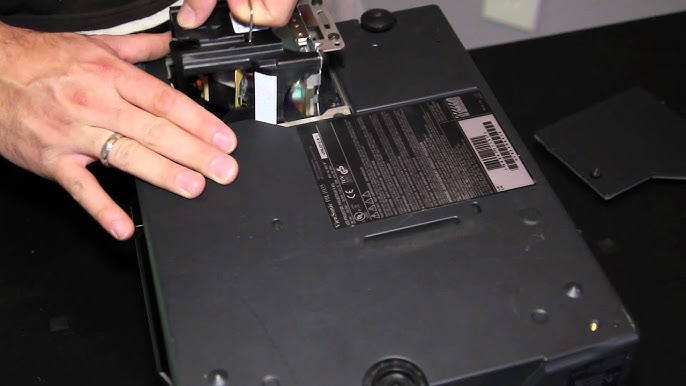
A gobo light’s functionality relies on three key elements working in harmony. First is the light source—typically a high-intensity LED, halogen, or discharge bulb. This source emits a concentrated beam that serves as the "canvas" for the projection. Next is the gobo itself—a thin, stencil-like disc made from materials like metal, glass, or plastic. Metal gobos are laser-cut for durability, while glass gobos use etched coatings to create intricate designs, and plastic gobos offer cost-effective flexibility for short-term use. Finally, optics (lenses and reflectors) focus and shape the light, ensuring the gobo’s pattern projects sharply onto surfaces.

The Projection Principle: Blocking and Transmitting Light

The magic of gobo lights lies in selective light control. When the light beam hits the gobo, areas of the disc that are solid (unaltered material) block the light, creating "negative" space in the projection. Conversely, cut-outs or etched sections allow light to pass through, forming the desired shapes, text, or patterns. This is similar to how a shadow puppet works, but with far greater precision. For example, a custom gobo with a company logo will block light everywhere except the logo’s outline, projecting that exact image onto a wall or floor.

How Optics Enhance Clarity and Scale

Optical systems in gobo lights play a critical role in refining the projection. Lenses adjust the beam’s focus, ensuring sharpness whether the projection is 2 feet or 20 feet away. Some advanced gobo lights also include zoom features, letting users scale the projected image up or down without distorting the design. This versatility is why glass gobos—with their ability to hold fine details—are preferred for high-resolution projections, such as scenic backdrops in theaters. The optics also account for light dispersion, preventing blurriness even when projecting large patterns.

Material Science: Why Gobo Material Matters

The choice of gobo material directly impacts performance, tied to the light source’s intensity. Metal gobos, made from heat-resistant stainless steel, thrive with powerful halogen bulbs, as they won’t warp under high temperatures. Glass gobos, coated with heat-resistant materials, handle intense LED or discharge lights while maintaining intricate details. Plastic gobos, though affordable, work best with lower-heat LEDs for short events, as excessive heat can melt their designs. Understanding this material-light relationship ensures the gobo lasts and projects clearly.

Applications: From Simple Logos to Dynamic Scenes

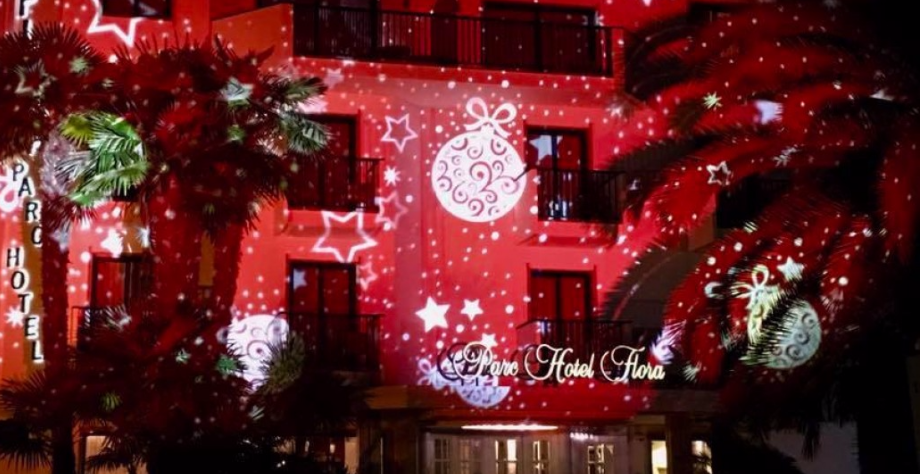
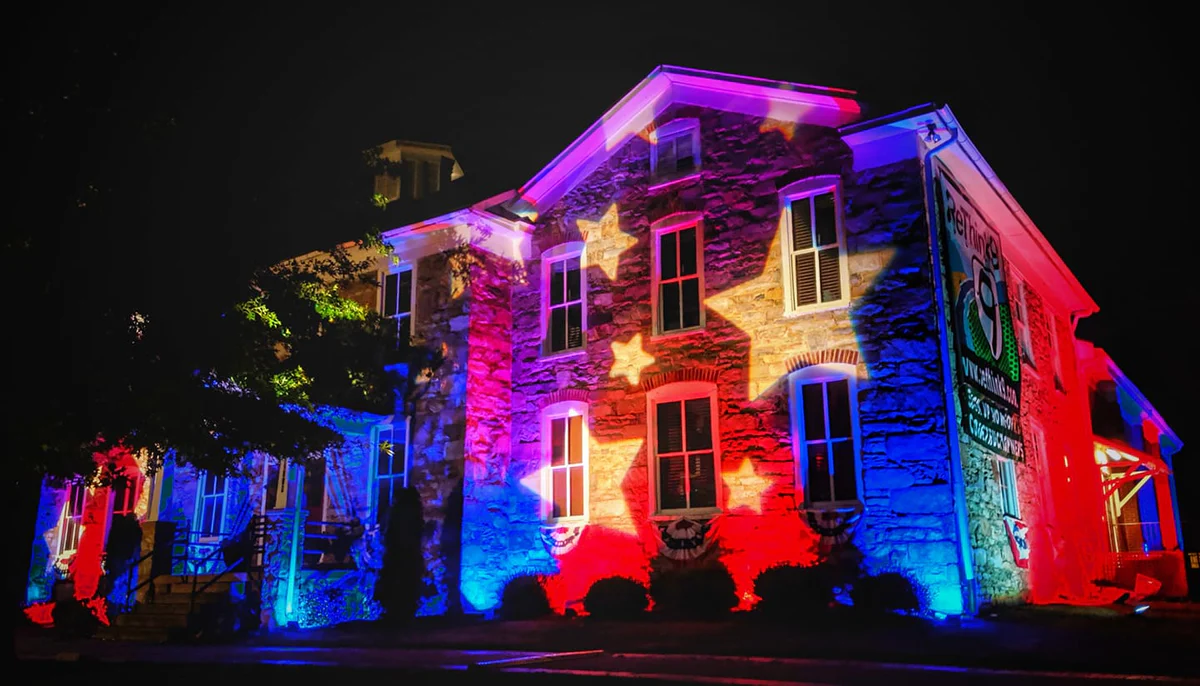
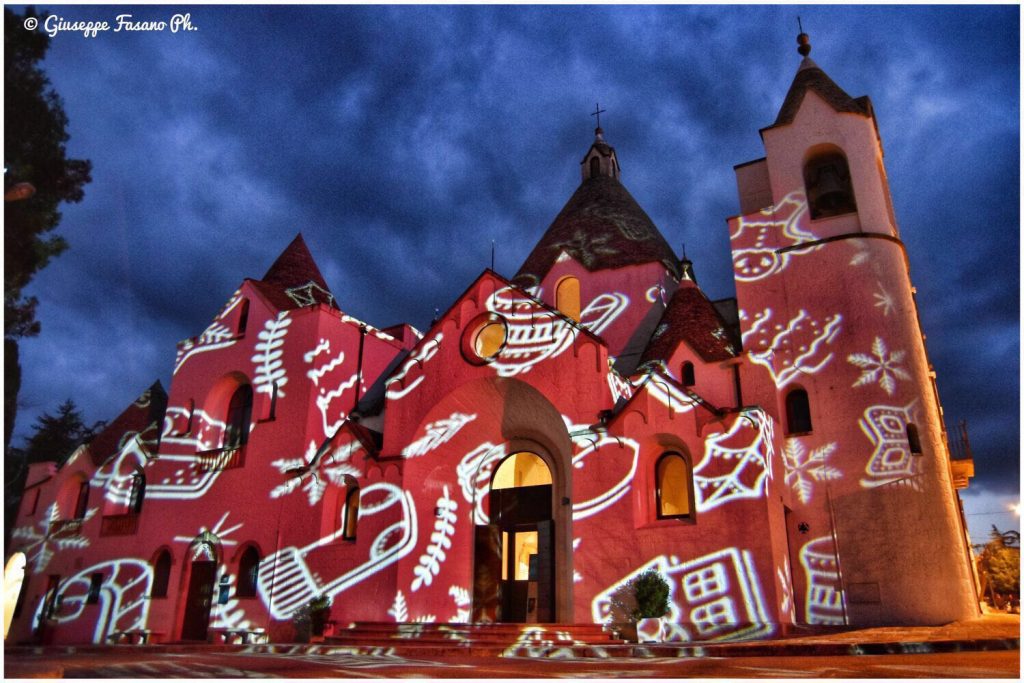
Gobo lights principle makes them adaptable to endless scenarios. In events, a custom gobo might project a couple’s names at a wedding, using precise light blocking to highlight the text. In retail, metal gobos with brand logos can be projected onto storefronts, leveraging durable materials for daily use. Theaters rely on glass gobos to project moving clouds or forest scenes, where the optics’ ability to scale and focus turns static discs into dynamic backdrops. Even in architecture, gobo lights use their projection principle to transform building facades with seasonal patterns.
In summary, gobo lights are a masterclass in combining light control, material science, and optics. By blocking and transmitting light through precision-engineered gobos, they turn ordinary beams into storytelling tools. Whether you’re using a metal gobo for durability, a glass gobo for detail, or a custom gobo for personalization, understanding their principle helps unlock their full potential in any lighting design.

コメントを投稿
名前
メールアドレス
コメント