• 아프가니스탄(AFN Af)
  • 올란드 제도(EUR €)
  • 알바니아(ALL L)
  • 알제리(DZD د.ج)
  • 아메리칸 사모아(USD $)
  • 안도라(EUR €)
  • 앙골라(USD $)
  • 앵귈라(XCD $)
  • 남극(USD $)
  • 앤티가바부다(XCD $)
  • 아르헨티나(USD $)
  • 아르메니아(AMD Դ)
  • 아루바(AWG ƒ)
  • 어센션 아일랜드(SHP £)
  • 호주(AUD AU$)
  • 오스트리아(EUR €)
  • 아제르바이잔(AZN ман)
  • 바하마(BSD BSD)
  • 바레인(BHD .د.ب)
  • 방글라데시(BDT ৳)
  • 바베이도스(BBD BBD)
  • 벨라루스(USD $)
  • 벨기에(EUR €)
  • 벨리즈(BZD Be)
  • 베냉(XOF Fr)
  • 버뮤다(BMD BD$)
  • 부탄(BTN Nu.)
  • 볼리비아(BOB Bs.)
  • 보스니아 헤르체고비나(BAM КМ)
  • 보츠와나(BWP P)
  • 부베 아일랜드(USD $)
  • 브라질(USD $)
  • 영국령 인도양 영토(USD $)
  • 브루나이(BND B$)
  • 불가리아(BGN лв)
  • 부키 나 파소(XOF Fr)
  • 부룬디(BIF ₣)
  • 캄보디아(KHR ៛)
  • 카메룬(XAF ₣)
  • 캐나다(CAD $)
  • 카보베르데(CVE $)
  • 케이맨 제도(KYD $)
  • 중앙 아프리카 공화국(XAF ₣)
  • 차드(XAF ₣)
  • 칠레(USD $)
  • 중국(CNY ¥)
  • 크리스마스 아일랜드(AUD AU$)
  • 코코스(킬링) 제도(AUD AU$)
  • 콜롬비아(USD $)
  • 코모로(KMF Fr)
  • 콩고 - 브라자빌(XAF ₣)
  • 콩고 - 킨샤사(CDF ₣)
  • 쿡 제도(NZD $)
  • 코스타리카(CRC ₡)
  • 코트디부아르(XOF Fr)
  • 크로아티아(EUR €)
  • 키프로스(EUR €)
  • 체코(CZK Kč)
  • 덴마크(DKK kr)
  • 지부티(DJF ₣)
  • 도미니카(XCD $)
  • 도미니카 공화국(DOP $)
  • 에콰도르(USD $)
  • 이집트(EGP E£)
  • 엘살바도르(USD $)
  • 적도 기니(XAF ₣)
  • 에리트레아(ERN Nfk)
  • 에스토니아(EUR €)
  • 에티오피아(ETB Br)
  • 포클랜드 제도(FKP FKP)
  • 페로 제도(DKK kr)
  • 피지(FJD FJ$)
  • 핀란드(EUR €)
  • 프랑스(EUR €)
  • 프랑스령 기아나(EUR €)
  • 프랑스 령 폴리네시아의(XPF ₣)
  • 프랑스 남부 지역(EUR €)
  • 가봉(XOF Fr)
  • 감비아(GMD D)
  • 그루지야(USD $)
  • 독일(EUR €)
  • 가나(GHS ₵)
  • 지브롤터(GBP £)
  • 그리스(EUR €)
  • 그린란드(DKK kr)
  • 그레나다(XCD $)
  • 과들루프(EUR €)
  • 괌(USD $)
  • 과테말라(GTQ Q)
  • 건지(GBP £)
  • 기니(GNF ₣)
  • 기니비사우(XOF Fr)
  • 가이아나(GYD $)
  • 아이티(USD $)
  • 허드 & 맥도날드 제도(AUD AU$)
  • 온두라스(HNL L)
  • 홍콩 특별행정구(HKD HK$)
  • 헝가리(HUF Ft)
  • 아이슬란드(ISK Kr)
  • 인도(INR ₹)
  • 인도네시아(IDR Rp)
  • 이라크(USD $)
  • 아일랜드(EUR €)
  • 맨 섬(GBP £)
  • 이스라엘(ILS ₪)
  • 이탈리아(EUR €)
  • 자메이카(JMD $)
  • 일본(JPY ¥)
  • 저지(GBP £)
  • 요르단(USD $)
  • 카자흐스탄(KZT 〒)
  • 케냐(KES Sh)
  • 키리바시(AUD AU$)
  • 대한민국(KRW ₩)
  • 쿠웨이트(KWD دينار)
  • 키르기스스탄(KGS С̲)
  • 라오스(LAK ₭)
  • 라트비아(EUR €)
  • 레바논(LBP ل.ل)
  • 레소토(USD $)
  • 라이베리아(USD $)
  • 리비아(USD $)
  • 리히텐슈타인(CHF ₣)
  • 리투아니아(EUR €)
  • 룩셈부르크(EUR €)
  • 마카오 특별행정구(MOP P)
  • 북 마케도니아(MKD ден)
  • 마다가스카르(USD $)
  • 말라위(MWK MK)
  • 말레이시아(MYR RM)
  • 몰디브(MVR ރ.)
  • 말리(XOF Fr)
  • 몰타(EUR €)
  • 마셜 제도(USD $)
  • 마르티니크(EUR €)
  • 모리타니(USD $)
  • 모리셔스(MUR ₨)
  • 마요트(EUR €)
  • 멕시코(USD $)
  • 미크로네시아(USD $)
  • 몰도바(MDL L)
  • 모나코(EUR €)
  • 몽골리아(MNT ₮)
  • 몬테네그로(EUR €)
  • 몬세라트(XCD $)
  • 모로코(MAD د.م.)
  • 모잠비크(USD $)
  • 미얀마(버마)(MMK K)
  • 나미비아(USD $)
  • 나우루(AUD AU$)
  • 네팔(NPR ₨)
  • 네덜란드(EUR €)
  • 네덜란드 령 앤 틸리 스(USD $)
  • 뉴 칼레도니아(XPF ₣)
  • 뉴질랜드(NZD $)
  • 니카라과(NIO C$)
  • 니제르(XOF Fr)
  • 나이지리아(NGN ₦)
  • 니우에(NZD $)
  • 노퍽 섬(AUD AU$)
  • 북마리아나 제도(USD $)
  • 노르웨이(USD $)
  • 오만(OMR ر.ع.)
  • 파키스탄(PKR ₨)
  • 팔라우(USD $)
  • 팔레스타인 영토(ILS ₪)
  • 파나마(USD $)
  • 파푸아 뉴기니(PGK K)
  • 파라과이(PYG ₲)
  • 페루(PEN S/)
  • 필리핀 제도(PHP ₱)
  • 핏케언 제도(NZD $)
  • 폴란드(PLN zł)
  • 포르투갈(EUR €)
  • 푸에르토 리코(USD $)
  • 카타르(QAR ر.ق)
  • 재결합(EUR €)
  • 루마니아(RON L)
  • 러시아(RUB р.)
  • 르완다(RWF ₣)
  • 사모아(WST T)
  • 산 마리노(EUR €)
  • 상투메프린시페(USD $)
  • 사우디 아라비아(SAR ر.س)
  • 세네갈(XOF Fr)
  • 세르비아(RSD din)
  • 세이셸(USD $)
  • 시에라리온(SLL Le)
  • 싱가포르(SGD S$)
  • 슬로바키아(EUR €)
  • 슬로베니아(EUR €)
  • 솔로몬 제도(SBD Si$)
  • 소말리아(SOS Sh)
  • 남아프리카(USD $)
  • 사우스 조지아 및 사우스 샌드위치 제도(GBP £)
  • 스페인(EUR €)
  • 스리랑카(LKR Rs)
  • 세인트 헬레나(SHP £)
  • 세인트키츠네비스(XCD $)
  • 세인트루시아(XCD $)
  • 세인트 마틴(EUR €)
  • 생 피에르 & 미클롱(EUR €)
  • 세인트빈센트 그레나딘(XCD $)
  • 수단(SDG ج.س.)
  • 수리남(USD $)
  • 스발바르 & 얀 마옌(USD $)
  • 에스와티니(USD $)
  • 스웨덴(SEK kr)
  • 스위스(CHF ₣)
  • 대만(TWD NT$)
  • 타지키스탄(TJS ЅМ)
  • 탄자니아(TZS Sh)
  • 태국(THB ฿)
  • 동티모르(USD $)
  • 토고(XOF Fr)
  • 토켈라우(NZD $)
  • 통가(TOP T$)
  • 트리니다드토바고(TTD TTD)
  • 트리스탄 다 쿠냐(GBP £)
  • 튀니지(USD $)
  • 칠면조(USD $)
  • 투르크메니스탄(TMT m)
  • 터크스케이커스 제도(USD $)
  • 투발루(AUD AU$)
  • 우간다(UGX Sh)
  • 우크라이나(UAH ₴)
  • 아랍 에미리트(AED د.إ)
  • 영국(GBP £)
  • 미국(USD $)
  • 미국 외딴 섬(USD $)
  • 우루과이(UYU $)
  • 우즈베키스탄(UZS лв)
  • 바누아투(VUV Vt)
  • 바티칸 시국(EUR €)
  • 베네수엘라(USD $)
  • 베트남(VND ₫)
  • 버진 아일랜드(USD $)
  • 영국령 버진 아일랜드(USD $)
  • 월리스 & 푸투나(XPF ₣)
  • 서부 사하라(MAD د.م.)
  • 예멘(YER ﷼)
  • 잠비아(USD $)
  • 짐바브웨(USD $)
/ /

The Intricate Process of Creating Custom Glass Gobos

Sep 06,2025 | JINGYU OPTOELEC
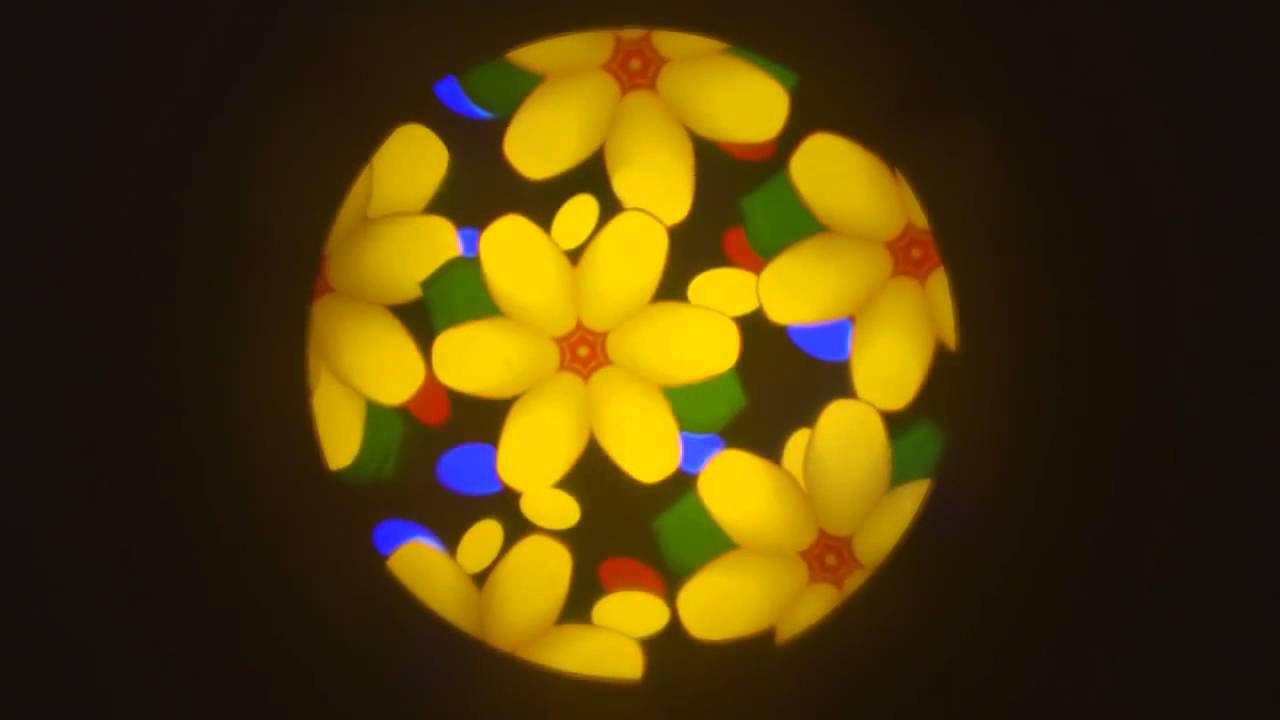
In the dynamic world of lighting design, custom gobos have emerged as a crucial element for adding a unique touch to various events and spaces. Among the different types of gobos, glass gobos stand out for their ability to produce high-definition and long-lasting projections. With the increasing demand for personalized lighting solutions in 2025, understanding the custom gobo making process, particularly for glass gobos, is essential.
 

The Allure of Glass Gobos

Glass gobos are highly sought after due to their optical clarity and durability. They can project sharp and vivid images, whether it's a company logo for a corporate event, a romantic monogram for a wedding, or an artistic pattern for a theatrical performance. Unlike plastic or metal gobos, glass gobos are less likely to warp under heat, ensuring consistent performance over time. For instance, in high-end restaurants, glass gobos are used to project elegant patterns on the walls, creating a sophisticated ambiance. The material's heat-resistance makes it suitable for use in powerful lighting fixtures that generate significant heat.

Step-by-Step Creation of Custom Glass Gobos

  1. Design Phase

The first step in creating a custom glass gobo is the design. High-quality artwork is crucial. It should be in the correct size, format, and resolution. Most designers prefer using vector-based software like Adobe Illustrator (AI) or Encapsulated PostScript (EPS) format. These formats ensure that the design can be scaled without losing its clarity. For example, if a client wants a custom gobo with their brand logo, the designer will take the logo file and optimize it for the gobo production. The design should be simple yet impactful, as overly complex designs may not translate well during the etching or laser-cutting process.

  1. Material Selection

For glass gobos, borosilicate glass is a popular choice. It has excellent heat-resistance properties, which is vital when used in lighting fixtures. The thickness of the glass also matters; typically, a thickness between 1 - 3 mm is used, depending on the specific application and the type of lighting fixture. A thicker glass may be more suitable for high-powered projectors where there is more heat generation.

  1. Etching or Laser-Cutting

  • Etching Process:

If the design requires a more detailed and precise finish, chemical etching can be used. First, the design is transferred onto a film using super-high-resolution imagesetters. For full-color glass gobos, the image is separated into CMYK layers and exposed separately onto extremely thin pieces of dichroic glass. Then, the glass is processed with a positive resist developer, followed by the use of acid to remove the coatings. After that, it is cleaned with acetone, dried, and inspected. This process is time-consuming but results in a very high-quality finish, ideal for detailed artistic designs or photographic images.

  • Laser-Cutting Process:

Laser-cutting is another method for creating glass gobos. A dedicated laser software draws precise outlines around the artwork file. The data is then sent to the laser, which cuts or engraves the design onto the glass. The glass gobo material is placed into a holder, and the laser works its magic. This method is faster than etching for simpler designs and can be used to create both monochromatic and grayscale gobos. However, it may not be as suitable for highly detailed full-color designs as chemical etching.

  1. Quality Control

Once the gobo is created, it undergoes strict quality control. Quality control experts check for any imperfections, such as scratches, uneven etching, or incorrect sizing. They also test the gobo in a sample lighting fixture to ensure that the projection is clear and accurate. For example, they will check if the logo projected is sharp and free from any distortion. Only gobos that meet the high-quality standards are approved for shipment.

  1. Mounting and Packaging

After passing the quality control, the glass gobo is prepared for shipment. It is carefully mounted in a suitable holder, depending on the type of lighting fixture it will be used with. For some fixtures, a metal bezel may be added to secure the gobo in place. The gobo is then packaged in a protective box to prevent damage during transit.

Meeting User Needs in 2025

In 2025, users are more concerned than ever about the quality and uniqueness of their custom gobos. They want a one-stop solution that can handle everything from design to delivery. Companies that offer in-house design services, a wide range of material options, and fast production times are more likely to meet the demands of customers. Additionally, with the trend towards sustainable lighting, some users may also be interested in gobos made from recycled or eco-friendly glass materials. By understanding the custom gobo making process, users can make more informed decisions when ordering their custom glass gobos, ensuring they get the best product for their lighting needs.

논평

성명
이메일
논평