Transform Concerts with Mesmerizing Laser Lights
Oct 06,2024 | JINGYU OPTOELEC
Stage performances always captivate audiences with a fusion of sound, movement, and visual elements. One of the most mesmerizing visual effects is the laser light, whose dazzling beams and patterns dance in sync with the music, transforming an ordinary stage into a realm of magic and wonder.
Evolution of Laser Lighting in Stage Performances
From subtle glows of the past to today’s vibrant displays, laser lighting in stage performances has undergone significant transformations.
Early Beginnings
In the dynamic era of the 1960s and 70s, the world of music and stage performances was rapidly changing. It was in this vibrant backdrop that laser lights made their debut. Initially, their role was simple, showcasing basic beams and limited color palettes. However, even in their nascent stage, they brought a touch of modernity, hinting at a futuristic concert experience. Iconic rock bands and pioneering artists of that era were among the first to adopt this technology, integrating laser lights into their dramatic performances.
Modern Marvels
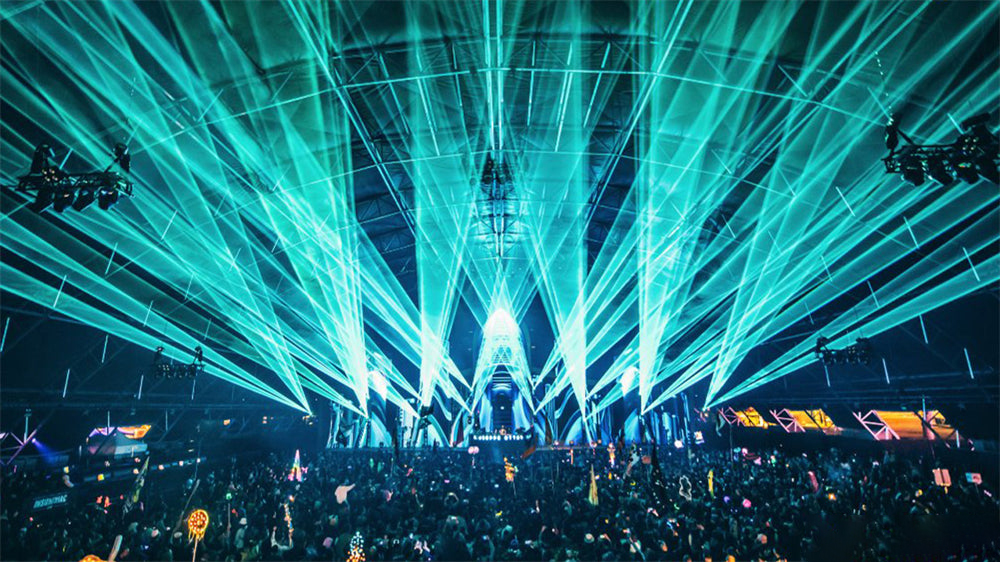
Fast forward to today, and the landscape of laser lighting has drastically changed. Technological advancements have taken these lights to new heights. Modern lasers boast advanced systems capable of producing countless vivid colors and intricate patterns. Their ability to sync with music has also evolved. In large arenas, spectators can witness sweeping, rhythmic beams, while smaller venues can enjoy intricate designs moving seamlessly with the music. This blend of artistry and innovation provides audiences with an immersive visual treat.
The Art and Science Behind Laser Lights
While laser lights might appear magical in their displays, they are grounded in artistic vision and technical precision. Their ability to captivate audiences lies in the combination of design and timing.
Creating Patterns and Designs
Laser lights are more than just bright beams. Each display is backed by meticulous planning and design. Advanced software enables technicians and designers to create complex patterns, from swirling spirals to pulsing grids. Full color animation laser light designs can transform a venue into a dynamic canvas. Each design is calibrated to ensure viewers experience a visual spectacle, whether it's the gentle motion of waves or the rapid bursts of geometric shapes. This design artistry not only offers visual appeal but also enhances the narrative of the performance.
Synchronizing with Music
One of the most captivating features of laser lights is their ability to move harmoniously with music. It's not just about flashing lights; it’s about creating a visual representation of rhythm, melody, and emotion. Advanced software plays a crucial role here, allowing technicians to sync each laser pulse, flicker, or scan to specific notes or beats. Whether it's the crescendo of a song or the gentle calm of an instrument, the laser display can be perfectly timed, adding depth and dimension to the live performance. This synchronization turns concerts into a multi-sensory experience where visuals and sound blend seamlessly.
Safety Measures and Best Practices
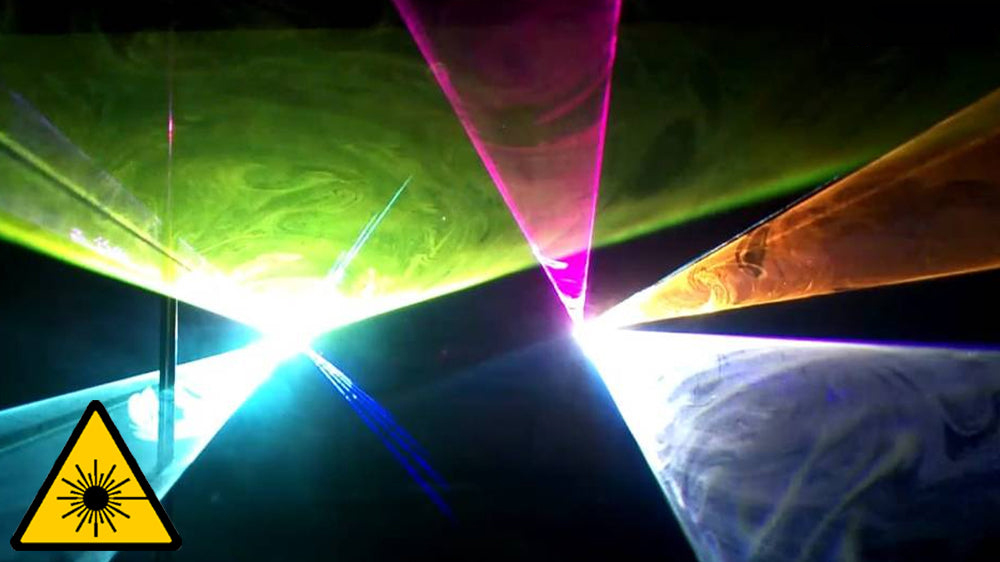
When it comes to laser lights, safety is paramount. While lasers are captivating, they can pose risks if not handled properly. Here’s a look at why safety is crucial and the common protocols in place.
Importance of Safety
Potential Hazards: Lasers, especially high-powered ones, can be hazardous. Improper handling can lead to eye injuries or even burns. Safety = Successful Show: A safe environment ensures the audience can enjoy the show without concerns. It also protects performers and crew. Regulatory Compliance: Many regions have regulations governing the use of lasers in public performances. Adhering to safety standards is not only best practice; it’s often a legal requirement.
Common Safety Protocols
Protective Gear: Technicians and performers may wear safety glasses or goggles, especially during setup or rehearsals. Audience Distance: Lasers are typically positioned so that beams are above the audience’s head level, minimizing potential direct exposure. Routine Inspections: Equipment should be regularly checked for any malfunctions or faults. Training: Only trained professionals should operate laser equipment during shows, ensuring they understand the complexities and potential risks.
Remember, while laser lights add magic to performances, ensuring safety is what makes the magic happen smoothly!
Environmental Impact of Laser Light Shows
Energy Considerations
Although laser lights are more energy-efficient than traditional stage lighting, they still consume power. The good news? Technological advancements have made lasers more efficient, with some shows even utilizing renewable energy sources to power their displays.
Material Concerns
The production and disposal of laser equipment raise issues regarding material use and waste. The industry is adopting strategies to use recyclable materials and reduce waste, aiming for a more eco-friendly stage.
Lighting Up the Night
Outdoor laser shows can contribute to light pollution, affecting wildlife and our view of the stars. By carefully directing beams and choosing appropriate show times, we can mitigate these impacts and keep the night skies dark.
Innovating for the Planet
With innovations aimed at reducing the environmental impact of laser shows, the future looks bright. From solar-powered systems to eco-friendly lasers, the industry is exploring ways to dazzle audiences without compromising the planet’s future.
Iconic Laser Shows
Laser lights have become the focal point of numerous concerts and stage performances, elevating the experience to new heights. Let’s delve into some performances that have become synonymous with their stunning laser displays.
Pink Floyd’s “Pulse” Tour
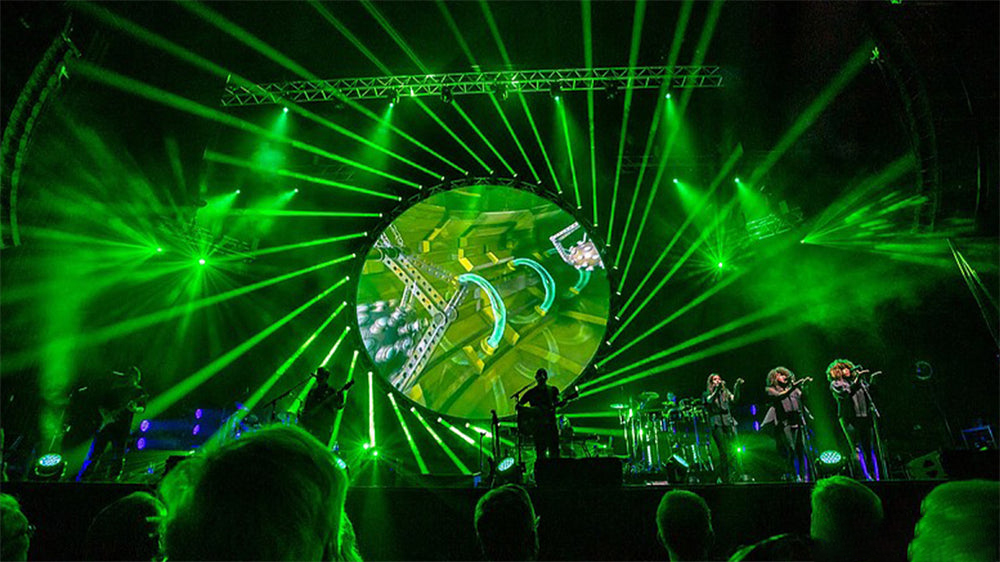
Setting the Standard: Pink Floyd has always been at the forefront of live performance innovation. Their “Pulse” tour in the 90s showcased lasers in unprecedented ways, creating ethereal patterns that resonated with their psychedelic sound.
Highlights: Lasers shot from the stage illuminated the audience, with the iconic pyramid prism representing their album "The Dark Side of the Moon".
Jean-Michel Jarre’s “Oxygen” Concerts
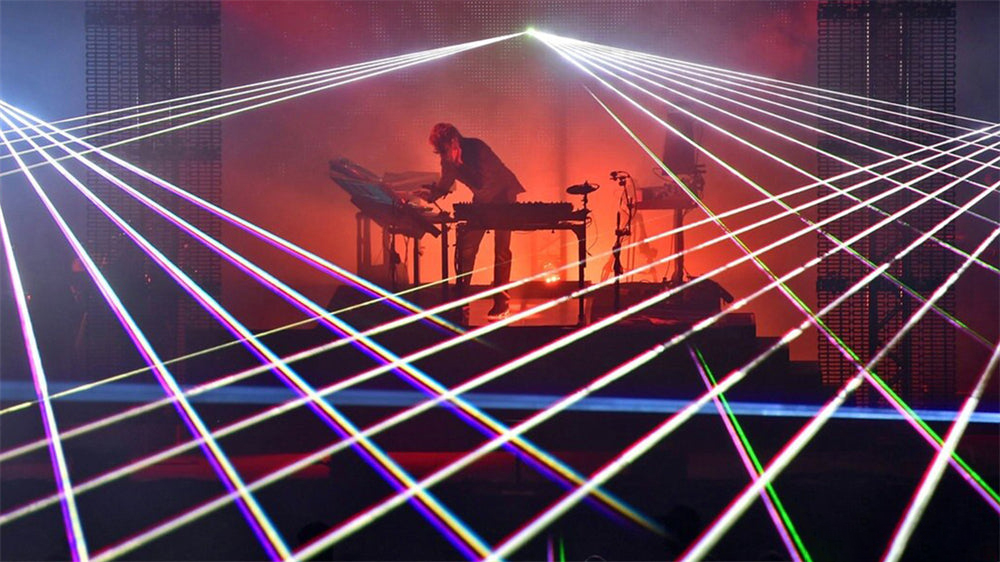
Electronic Music and Lasers: Jean-Michel Jarre’s concerts are known for blending electronic music with stunning light shows.
Highlights: Lasers danced in sync with each beat, creating a visual symphony for the audience.
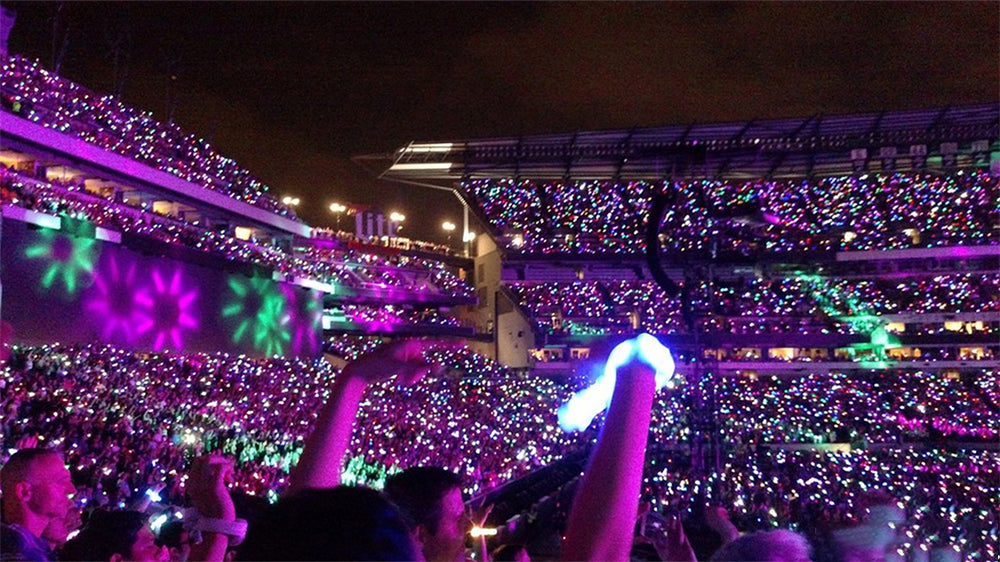
Coldplay’s “A Head Full of Dreams” Tour
A Feast of Colors: Coldplay’s concerts are known for their visual appeal, and they fully embraced the potential of lasers on this tour.
Highlights: Rainbow-colored lasers complemented their confetti-filled, balloon-strewn performances, especially during hits like “Yellow” and “Paradise”.
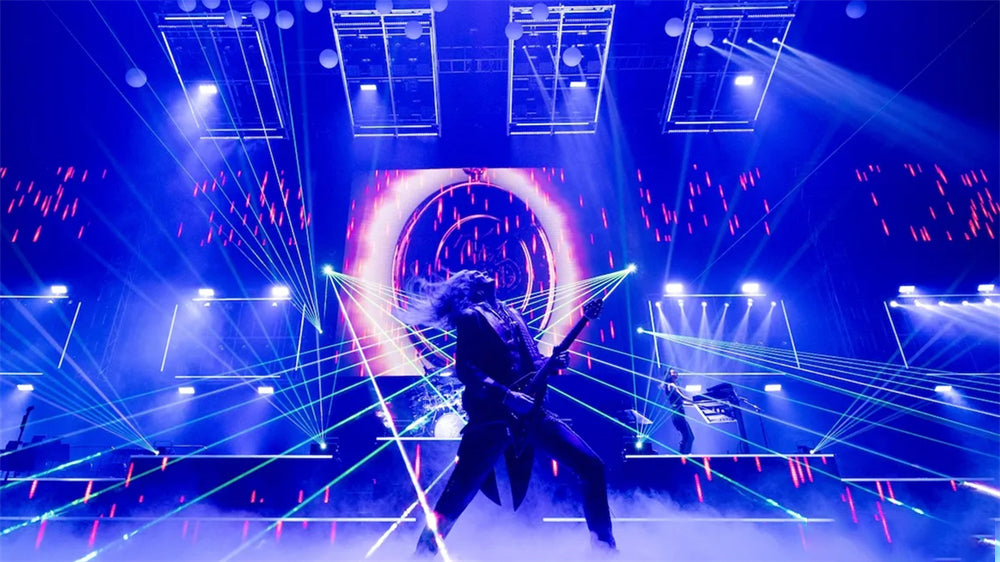
Trans-Siberian Orchestra’s Winter Tour
Winter Fantasies: The Trans-Siberian Orchestra’s winter tours blend rock opera with lasers for a consistently delightful experience.
Highlights: Falling snow accompanied by blue and white lasers created a magical winter wonderland on stage.
These performances demonstrate the mesmerizing power of lasers when seamlessly integrated with music and stage art. It’s no wonder lasers continue to be a sought-after element in stage productions worldwide!
The Future of Concert Laser Lighting
Reflecting on the rich history of laser lighting in performances, it’s clear that the fusion of art and technology is ever-evolving. But what does the future hold for concert laser lighting?
Technological Advancements
Greater Precision: With technological advancements, lasers will become even more precise. This precision will enable more complex patterns and designs that were previously unattainable. Interactive Laser Systems: Imagine a concert where lasers respond to audience movements or sounds in real-time! This could soon be a reality through the integration of AI and sensors. Integrated Visual Experiences: Combining augmented reality (AR) and virtual reality (VR) with lasers can create immersive concert experiences that blend the virtual and real worlds.
Expanding Artistic Horizons
Storytelling with Lasers: Artists might start using lasers not just for visual pleasure but as a storytelling medium, conceptualizing narratives throughout their performances. Collaborative Performances: We might see more collaborations between laser artists, musicians, and visual artists to create multi-dimensional performances. Venue Customization: Customizing laser shows to the specific architecture and design of concert venues can enhance the overall visual impact.
Essentially, as technology progresses, the only limit to the potential of laser lighting in concerts will be human imagination. The future will blend technological innovation and artistic exploration, ensuring audiences continue to be captivated by laser shows.
FAQs
How do stage technicians ensure the safety of laser light performers? Safety is paramount when using laser lights at concerts. Stage technicians undergo rigorous training and adhere to standard safety protocols. They ensure laser beams are directed above the line of sight of standing and seated audiences. Performers are informed about safe zones, and in some cases, sensors are used to automatically shut off lasers if the beams are disrupted.
Can laser lights harm the audience? Laser lights can cause harm if misused. Direct exposure to high-powered laser beams can lead to eye injuries. However, numerous precautions are in place in professional settings. Lasers used in concerts are typically diffused, scattered, or directed in ways that do not pose a direct threat to the audience.
How do laser lights sync with music during live concerts? Syncing laser lights with music is a combination of art and technology. Technicians use software to pre-program laser sequences that synchronize with specific music tracks. Advanced setups can also use real-time sound analysis to dynamically adjust laser displays based on the rhythm, beat, and frequencies of live music.
How do laser lights differ from traditional stage lighting? Laser lights offer a level of clarity, intensity, and precision unmatched by traditional stage lighting. They can create intricate patterns, animations, and beams that move rapidly across a venue. Traditional lighting provides broad illumination, while lasers can be finely targeted and manipulated.
Are there regulations governing the use of lasers in public performances? Yes, many countries have regulations governing the use of lasers in public performances to ensure the safety of performers and audiences. These regulations may cover aspects such as maximum permissible exposure levels, beam termination requirements, and operator safety training.
For those looking to delve deeper into the intricacies of laser lights, it’s clear that the fusion of technology and artistry will continue to pave the way for mesmerizing concert experiences. Ever-evolving, the vibrant journey of laser light shows is a testament to human innovation in the realm of entertainment.
Conclusion
What once was a mere fantasy, laser lights have now become a cornerstone of concerts and live performances. These beams not only illuminate the stage but captivate audiences, tell stories, and evoke emotions, adding depth to the auditory feast of a concert.
Over the years, the blend of technology and creativity has transformed laser lights from simple beams to dynamic art forms that dance with the rhythm, accentuating every beat and note. While we’ve witnessed some spectacular shows, the horizon holds even more promise. As technology continues to advance and the creativity of artists and technicians evolve, the future of laser lights in performances will be brighter, more immersive, and truly enchanting.
As audiences, we become part of an overall experience where sound, light, and emotions intertwine. The journey of laser lights in concerts is a testament to human ingenuity, and the chapters yet to be written are filled with exciting possibilities.
논평