What Wattage Gobo Projector Do You Need? (Distance Chart Inside)
Oct 24,2026 | JINGYU OPTOELEC
Buying a gobo projector in the wrong wattage is the most expensive mistake in this product category — too weak and the logo looks dim and unprofessional; too strong and you paid for brightness you cannot use. Here is how to get it right the first time.
The distance chart
Projection clarity depends on two things: wattage and throw distance. This chart assumes a standard glass gobo and a typical LED projector:
|
Projection distance |
Recommended wattage |
Typical use |
|
Up to 3 m |
15–25W |
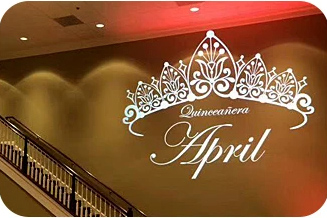
Shop counter, small storefront window, indoor signage |
|
3–6 m |
25–40W |
Standard storefront, indoor logo wall, reception areas |
|
6–10 m |
40–80W |
Wide storefronts, lobby floors, small facades |
|
10–20 m |
80–150W |
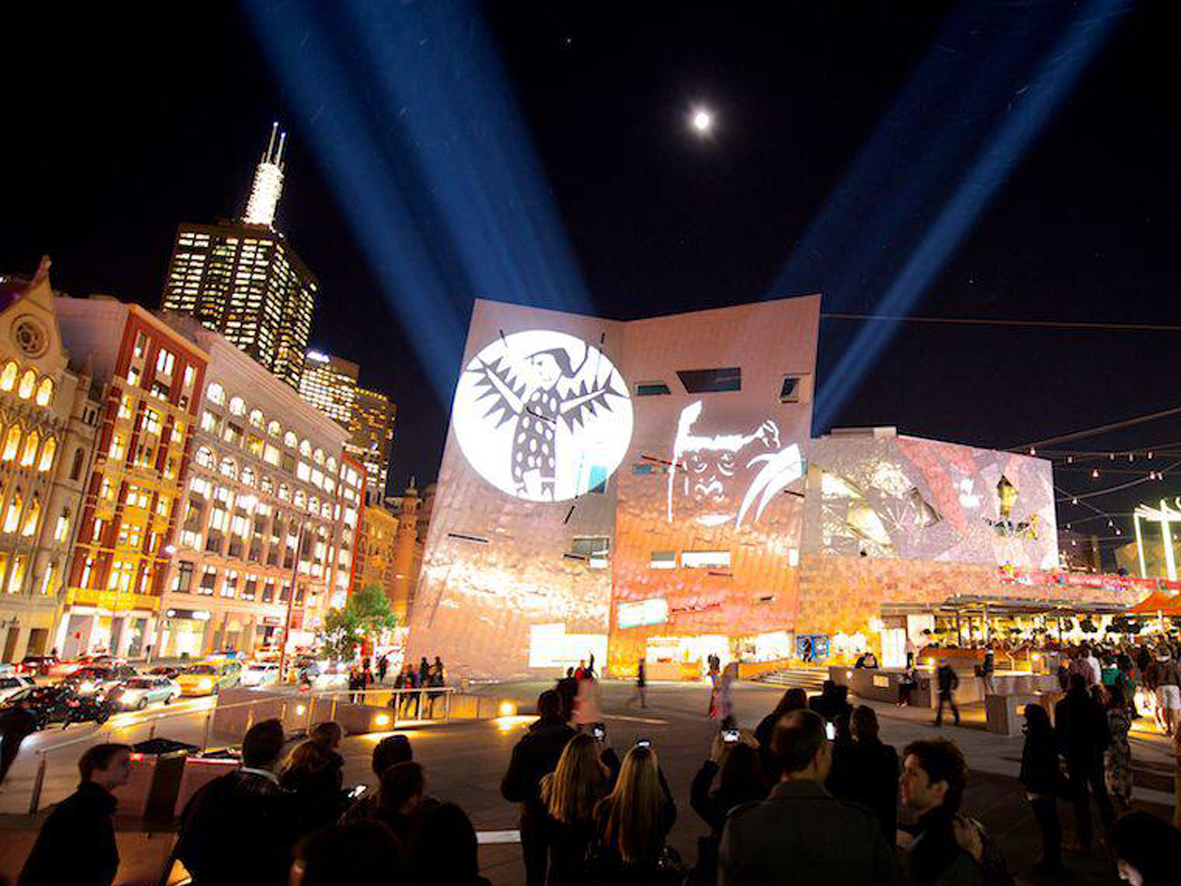
Building facades, outdoor signage across a street |
|
20 m + |
150–300W |
Large buildings, tall facades, long-range advertising |
Two caveats before you trust any chart:
These assume low ambient light. Brightness fights against daylight, not distance. The same 40W unit that looks crisp at 6 meters indoors will look washed out at 6 meters in direct afternoon sun. No wattage wins against direct sunlight — schedule around it or accept a dimmer image.
Wattage ≠ brightness alone. Lens quality and gobo quality matter as much. A cheap 80W unit with poor optics can produce a worse image than a well-built 60W.
Indoor vs outdoor: the same rule twice
Indoor, ambient light is controllable, so you can size strictly by distance. A 25W unit in a dim restaurant is genuinely enough for a floor logo at 4 meters.
Outdoor, ambient light is whatever the sky is doing. Two adjustments:
- Add one wattage step. A 6-meter outdoor sign wants 40–80W, not 25–40W.
- Mount under cover and project onto shaded surfaces where possible. A logo on a shaded wall at 40W beats a logo on a sunlit wall at 150W.
And outdoors, the projector housing needs an IP65+ rating — wattage does not survive water.
The three most common sizing mistakes
Mistake 1: Buying by price, then discovering the logo is invisible. A 15W unit is $100+ cheaper than an 80W. It is also useless beyond 3 meters. Measure your actual throw distance before comparing prices — the distance decides the wattage, not the budget.
Mistake 2: Oversizing for a small space. A 300W unit in a 20 m² shop interior produces glare that makes customers squint. Brightness in a small room is a problem, not a feature.
Mistake 3: Ignoring the mounting position. The distance that matters is lens to surface, not floor plan distance. A projector mounted on a second-floor window projecting down to the sidewalk has a shorter throw than it appears. Measure along the light path.
Rotating, static, or multi-logo?
Wattage sizing is the same for all, but the choice matters for your use case:
- Static single-logo units are cheapest and brightest per dollar. Best when the message never changes.
- 4- or 7-logo carousel units rotate through multiple gobos. Ideal for businesses that alternate messages (menu of the day, seasonal promotions). Each gobo is smaller, so fine detail needs slightly more wattage.
- Water-effect and animation units trade sharpness for atmosphere. For a crisp brand logo, stay with static or carousel.
Do you need a zoom or fixed lens?
Fixed-focus projectors are sharp at their designed distance and are the right choice when mounting position is permanent. Adjustable focus matters when:
- You might relocate the unit
- The surface distance is unusual (between standard steps)
- One unit serves multiple projects
The adjustment range is a few meters, not unlimited — a 6-meter lens does not zoom to 20.
A worked example
A café wants its logo on the sidewalk in front of the entrance, for evening hours.
- Mount: under the awning, 1.2 m above ground
- Throw distance to pavement: 4 m
- Ambient light: evening street lighting, shaded by the awning
- Logo: two-color brand mark with the café name
Sizing: 4 m → 25–40W bracket; shaded evening conditions → no step up needed; two colors → glass gobo for the brand colors. Answer: a 30–40W IP65 unit with a two-color glass gobo. Total cost lands far below what most cafés assume.
Frequently asked questions
Does higher wattage make the projected image bigger? No. Image size is set by the lens and distance. Wattage only changes brightness.
Can I use a 25W projector outdoors? Yes, under cover, at short distance (3–4 m), in low light. Not for open facades or daylight hours.
Why is my 80W projector dim at 10 meters? Check three things in order: the gobo material (warped steel dims output), lens cleanliness, and ambient light. Distance is rarely the culprit if the chart was followed.
How long do the LEDs last? Quality LED modules run 30,000–50,000 hours. At 8 hours a day, that is 10+ years. The gobo and the fan typically need attention before the LED does.
Want us to size it for you?
Send your mounting photos and the distance from lens to surface — we will recommend the exact wattage, honestly, including when a smaller unit is enough. sales@gobofactory.com / WhatsApp +86 13456752363.
komentuoti