• Afganistāna(AFN Af)
  • Ālandu salas(EUR €)
  • Albānija(ALL L)
  • Alžīrija(DZD د.ج)
  • amerikāņu Samoa(USD $)
  • Andora(EUR €)
  • Angola(USD $)
  • Anguilla(XCD $)
  • Antarktīda(USD $)
  • Antigva un Barbuda(XCD $)
  • Argentīna(USD $)
  • Armēnija(AMD Դ)
  • Aruba(AWG ƒ)
  • Debesbraukšanas sala(SHP £)
  • Austrālija(AUD AU$)
  • Austrija(EUR €)
  • Azerbaidžāna(AZN ман)
  • Bahamu salas(BSD BSD)
  • Bahreina(BHD .د.ب)
  • Bangladeša(BDT ৳)
  • Barbadosa(BBD BBD)
  • Baltkrievija(USD $)
  • Beļģija(EUR €)
  • Beliza(BZD Be)
  • Benina(XOF Fr)
  • Bermudu salas(BMD BD$)
  • Butāna(BTN Nu.)
  • Bolīvija(BOB Bs.)
  • Bosnija un Hercegovina(BAM КМ)
  • Botsvāna(BWP P)
  • Buvē sala(USD $)
  • Brazīlija(USD $)
  • Britu Indijas okeāna teritorija(USD $)
  • Bruneja(BND B$)
  • Bulgārija(BGN лв)
  • Burkinafaso(XOF Fr)
  • Burundi(BIF ₣)
  • Kambodža(KHR ៛)
  • Kamerūna(XAF ₣)
  • Kanāda(CAD $)
  • Kaboverde(CVE $)
  • Kaimanu salas(KYD $)
  • Centrālāfrikas Republika(XAF ₣)
  • Čada(XAF ₣)
  • Čīle(USD $)
  • Ķīna(CNY ¥)
  • Ziemassvētku sala(AUD AU$)
  • Kokosu (Kīlinga) salas(AUD AU$)
  • Kolumbija(USD $)
  • Komoru salas(KMF Fr)
  • Kongo-Brazavila(XAF ₣)
  • Kongo-Kinšasa(CDF ₣)
  • Sala(NZD $)
  • Kostarika(CRC ₡)
  • Kotdivuāra(XOF Fr)
  • Horvātija(EUR €)
  • Kipra(EUR €)
  • Čehu Republika(CZK Kč)
  • Dānija(DKK kr)
  • Džibutija(DJF ₣)
  • Dominika(XCD $)
  • Dominikānas republika(DOP $)
  • Ekvadora(USD $)
  • Ēģipte(EGP E£)
  • Salvadora(USD $)
  • Ekvatoriālā Gvineja(XAF ₣)
  • Eritreja(ERN Nfk)
  • Igaunija(EUR €)
  • Etiopija(ETB Br)
  • Folklenda salas(FKP FKP)
  • Fēru salas(DKK kr)
  • Fidži(FJD FJ$)
  • Somija(EUR €)
  • Francija(EUR €)
  • Franču Gviāna(EUR €)
  • Franču Polinēzija(XPF ₣)
  • Francijas dienvidu teritorija(EUR €)
  • Gabona(XOF Fr)
  • Gambija(GMD D)
  • Gruzija(USD $)
  • Vācija(EUR €)
  • Gana(GHS ₵)
  • Gibraltārs(GBP £)
  • Grieķija(EUR €)
  • Grenlande(DKK kr)
  • Grenāda(XCD $)
  • Gvadelupa(EUR €)
  • Guama(USD $)
  • Gvatemala(GTQ Q)
  • Gērnsija(GBP £)
  • Gvineja(GNF ₣)
  • Gvineja-Bisava(XOF Fr)
  • Gajāna(GYD $)
  • Haiti(USD $)
  • Hērda un Makdonalda salas(AUD AU$)
  • Hondurasa(HNL L)
  • Hongkonga Īpašā administratīvā zona(HKD HK$)
  • Ungārija(HUF Ft)
  • Islande(ISK Kr)
  • Indija(INR ₹)
  • Indonēzija(IDR Rp)
  • Irāka(USD $)
  • Īrija(EUR €)
  • cilvēka sala(GBP £)
  • Izraēla(ILS ₪)
  • Itālija(EUR €)
  • Jamaika(JMD $)
  • Japāna(JPY ¥)
  • Džērsija(GBP £)
  • Jordānija(USD $)
  • Kazahstāna(KZT 〒)
  • Kenija(KES Sh)
  • Kiribati(AUD AU$)
  • Dienvidkoreja(KRW ₩)
  • Kuveita(KWD دينار)
  • Kirgizstāna(KGS С̲)
  • Laosa(LAK ₭)
  • Latvija(EUR €)
  • Libāna(LBP ل.ل)
  • Lesoto(USD $)
  • Libērija(USD $)
  • Lībija(USD $)
  • Lihtenšteina(CHF ₣)
  • Lietuva(EUR €)
  • Luksemburga(EUR €)
  • Makao Īpašā administratīvā zona(MOP P)
  • Ziemeļmaķedonija(MKD ден)
  • Madagaskara(USD $)
  • Malāvija(MWK MK)
  • Malaizija(MYR RM)
  • Maldīvija(MVR ރ.)
  • Mali(XOF Fr)
  • Malta(EUR €)
  • Māršala salas(USD $)
  • Martinika(EUR €)
  • Mauritānija(USD $)
  • Maurīcija(MUR ₨)
  • Majota(EUR €)
  • Meksika(USD $)
  • Mikronēzija(USD $)
  • Moldova(MDL L)
  • Monako(EUR €)
  • Mongolija(MNT ₮)
  • Melnkalne(EUR €)
  • Montserrata(XCD $)
  • Maroka(MAD د.م.)
  • Mozambika(USD $)
  • Mjanma (Birma)(MMK K)
  • Namībija(USD $)
  • Nauru(AUD AU$)
  • Nepāla(NPR ₨)
  • Nīderlande(EUR €)
  • Nīderlandes Antiļas(USD $)
  • Jaunkaledonija(XPF ₣)
  • Jaunzēlande(NZD $)
  • Nikaragva(NIO C$)
  • Nigēra(XOF Fr)
  • Nigērija(NGN ₦)
  • Niue(NZD $)
  • Norfolkas sala(AUD AU$)
  • Ziemeļu Marianas salas(USD $)
  • Norvēģija(USD $)
  • Omāna(OMR ر.ع.)
  • Pakistāna(PKR ₨)
  • Palau(USD $)
  • Palestīnas teritorijas(ILS ₪)
  • Panama(USD $)
  • Papua Jaungvineja(PGK K)
  • Paragvaja(PYG ₲)
  • Peru(PEN S/)
  • Filipīnas(PHP ₱)
  • Pitkērnas salas(NZD $)
  • Polija(PLN zł)
  • Portugāle(EUR €)
  • Puertoriko(USD $)
  • Katara(QAR ر.ق)
  • Atkalapvienošanās(EUR €)
  • Rumānija(RON L)
  • Krievija(RUB р.)
  • Ruanda(RWF ₣)
  • Samoa(WST T)
  • Sanmarīno(EUR €)
  • Santome un Prinsipi(USD $)
  • Saūda Arābija(SAR ر.س)
  • Senegāla(XOF Fr)
  • Serbija(RSD din)
  • Seišelu salas(USD $)
  • Sjerraleone(SLL Le)
  • Singapūra(SGD S$)
  • Slovākija(EUR €)
  • Slovēnija(EUR €)
  • Zālamana salas(SBD Si$)
  • Somālija(SOS Sh)
  • Dienvidāfrika(USD $)
  • Dienviddžordžija un Dienvidsendviču salas(GBP £)
  • Spānija(EUR €)
  • Šrilanka(LKR Rs)
  • Svētā Helēna(SHP £)
  • Sentkitsa un Nevisa(XCD $)
  • Sentlūsija(XCD $)
  • Svētais Mārtiņš(EUR €)
  • Senpjēra un Mikelona(EUR €)
  • Sentvinsenta un Grenadīnas(XCD $)
  • Sudāna(SDG ج.س.)
  • Surinama(USD $)
  • Svalbāra un Jans Majens(USD $)
  • Esvatīni(USD $)
  • Zviedrija(SEK kr)
  • Šveice(CHF ₣)
  • Taivāna(TWD NT$)
  • Tadžikistāna(TJS ЅМ)
  • Tanzānija(TZS Sh)
  • Taizeme(THB ฿)
  • Austrumtimora(USD $)
  • Iet(XOF Fr)
  • Tokelau(NZD $)
  • Tonga(TOP T$)
  • Trinidada un Tobāgo(TTD TTD)
  • Tristans da Kunja(GBP £)
  • Tunisija(USD $)
  • Turcija(USD $)
  • Turkmenistāna(TMT m)
  • Tērksas un Kaikosas salas(USD $)
  • Tuvalu(AUD AU$)
  • Uganda(UGX Sh)
  • Ukraina(UAH ₴)
  • Apvienotie Arābu Emirāti(AED د.إ)
  • U.K(GBP £)
  • Amerika(USD $)
  • ASV attālās salas(USD $)
  • Urugvaja(UYU $)
  • Uzbekistāna(UZS лв)
  • Vanuatu(VUV Vt)
  • Vatikāna pilsēta(EUR €)
  • Venecuēla(USD $)
  • Vjetnama(VND ₫)
  • Virdžīnu salas, ASV(USD $)
  • Britu Virdžīnu salas(USD $)
  • Volisa un Futunas salas(XPF ₣)
  • Rietumsahāra(MAD د.م.)
  • Jemena(YER ﷼)
  • Zambija(USD $)
  • Zimbabve(USD $)
/ /

What is a leaf gobo and how is it used in lighting design?

Dec 14,2024
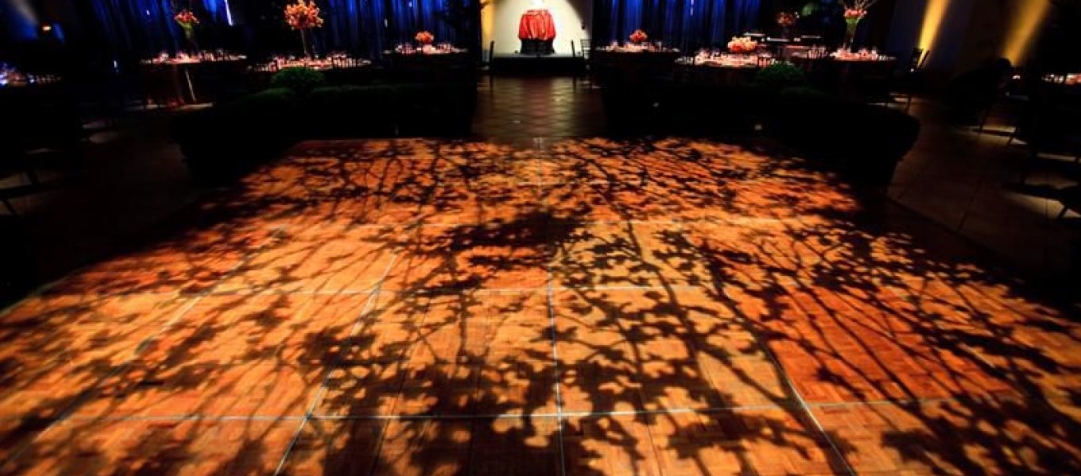
When it comes to creating captivating lighting designs, gobos play a crucial role. Among the different types of gobos available, the leaf gobo stands out for its unique aesthetic appeal and versatility. In this blog, we will explore the origins of gobos, the materials used in their production, the intricate process of making glass gobos, the possibility of adding color to gobos, and how to effectively clean and maintain glass gobos, with a special focus on leaf gobos.

Why are gobos called gobos?

To understand why gobos got their name, we need to delve into their history. The term "gobo" originated from the theatrical world and stands for "goes between optics." In early theater lighting, gobos were used to create patterns and shapes through the manipulation of light. These interposable objects would be placed between the light source and the projected surface, hence the name.


Materials used in making gobos:

Gobos can be made from various materials, each with its own advantages and disadvantages. Some common materials used in gobo production include metal, glass, plastic, and even specially designed heat-resistant materials. Leaf gobos, in particular, are typically made from stainless steel or specially treated glass. Stainless steel leaf gobos offer durability and precision, while glass leaf gobos provide a stunning aesthetic effect.


The production process of glass gobos:

Creating glass gobos involves a meticulous and intricate process. First, a high-resolution design is laser-engraved onto a glass plate. This plate is then coated with a light-absorbing substance, which allows light to pass through the engraved areas only. Finally, a high-temperature process fuses the coating with the glass, creating a durable and precise glass gobo. The result is a stunning and intricate pattern that can be projected onto any surface.


Can gobos be colored?

While traditional gobos are often black and white, advances in manufacturing techniques have made it possible to add color to gobos. Colorful leaf gobos can dramatically enhance the mood and atmosphere of any setting. These colored gobos are achieved using specialized filters, dyes, or even by directly coloring the glass during the manufacturing process. However, it is important to note that colored leaf gobos may have some limitations regarding light efficiency and output.


Cleaning glass gobos:

Proper maintenance and cleaning are essential to ensure optimum performance and longevity of glass gobos, including leaf gobos. Cleaning glass gobos is a delicate process that requires gentle handling to avoid damaging the delicate engraved surface. The recommended method involves using a soft brush or compressed air to remove any loose debris, followed by a light wipe with a microfiber cloth and a mild cleaning solution. Avoid using harsh chemicals or abrasive materials that can scratch or degrade the gobo's surface.


Conclusion:

In lighting design, gobos open up a world of creative possibilities. Leaf gobos, with their intricate designs and versatile applications, are a popular choice among designers. Understanding the origins, materials, and production process of gobos, including glass leaf gobos, can help create stunning lighting effects. The option to add color to gobos further expands their creative potential. By properly cleaning and maintaining glass gobos, including leaf gobos, they can continue to deliver impressive results for years to come. So, let your imagination run wild, and let the mesmerizing beauty of leaf gobos illuminate your designs.

komentēt
Vārds
Pasta
komentēt