Decoding the Product Design and Quality of Gobo Lights in 2025
Jul 21,2025 | JINGYU OPTOELEC
In 2025, when it comes to gobo lights, product design and quality are at the forefront of consumer concerns. With a plethora of options available in the market, understanding what makes a high-quality gobo light and how its design impacts performance is crucial for making an informed purchase decision.
Key Design Elements
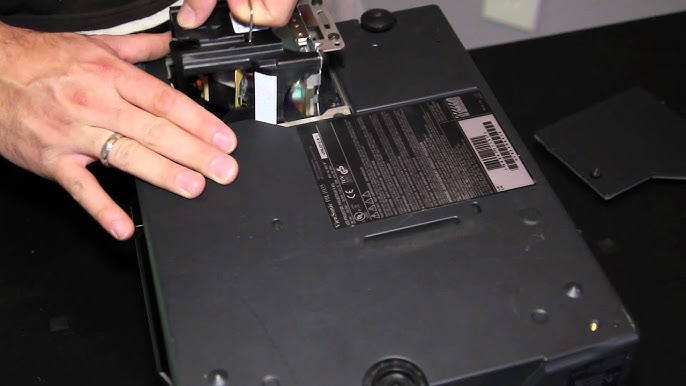
Projector Design
The design of the gobo light projector plays a vital role in its functionality. In 2025, we are seeing projectors with improved optics. High-quality lenses are used to ensure clear and sharp projections. For example, some projectors are designed with aspheric lenses, which reduce distortion and provide a more uniform light distribution.
The size and shape of the projector also matter. Compact projectors are popular for their portability, making them ideal for event planners who need to move their equipment frequently. On the other hand, larger projectors may offer more power and better heat dissipation, which is important for continuous use in commercial or industrial settings.
Gobo Holder Design
The gobo holder is an integral part of the gobo light design. It needs to securely hold the gobo in place to prevent any movement during projection. In 2025, there are innovative gobo holder designs that make it easier to change gobos. Some holders feature a quick-release mechanism, allowing users to swap out gobos in seconds. The material of the gobo holder also affects its performance. Metal holders are known for their durability, while some new plastic-based holders are designed to be lightweight yet strong, offering a good balance between cost and functionality.
Quality Considerations
Gobo Material Quality
The quality of the gobo material is a major factor in determining the quality of the projection. Glass gobos, as mentioned earlier, are highly regarded for their ability to produce high-resolution images. In 2025, the quality of glass used in gobos has improved. High-grade borosilicate glass is commonly used as it can withstand high temperatures generated by the light source without warping or degrading the image quality. Metal gobos, on the other hand, are judged by the thickness and durability of the metal. Thicker metals are less likely to bend or break, ensuring a longer lifespan for the gobo.
Build Quality of the Light Fixture
The overall build quality of the gobo light fixture is also essential. A well-built fixture will be sturdy and resistant to damage. In 2025, manufacturers are using high-quality materials for the casing of the light fixture. Aluminum alloy is a popular choice as it is lightweight yet strong. The internal components, such as the cooling system and the electrical circuitry, are also designed with quality in mind. A good cooling system is necessary to prevent overheating, which can affect the performance and lifespan of the light. The electrical components should be of high-quality to ensure safe and reliable operation.
Performance-Based Design Features
Dimming and Color Control
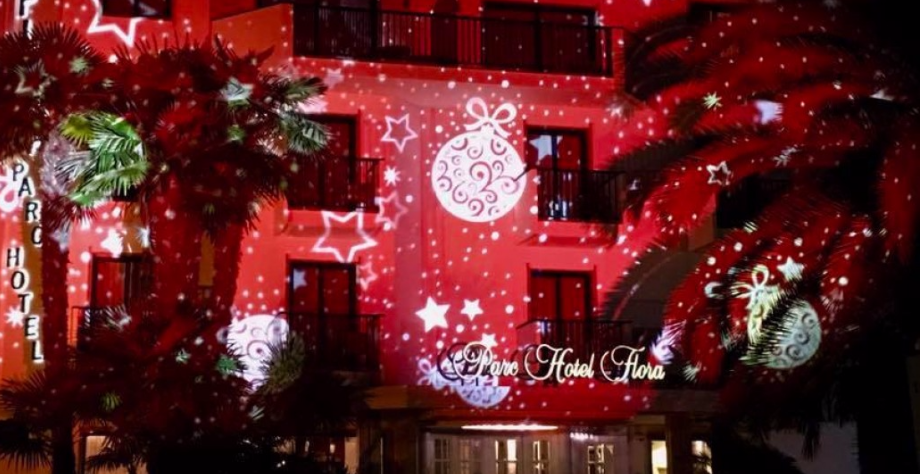
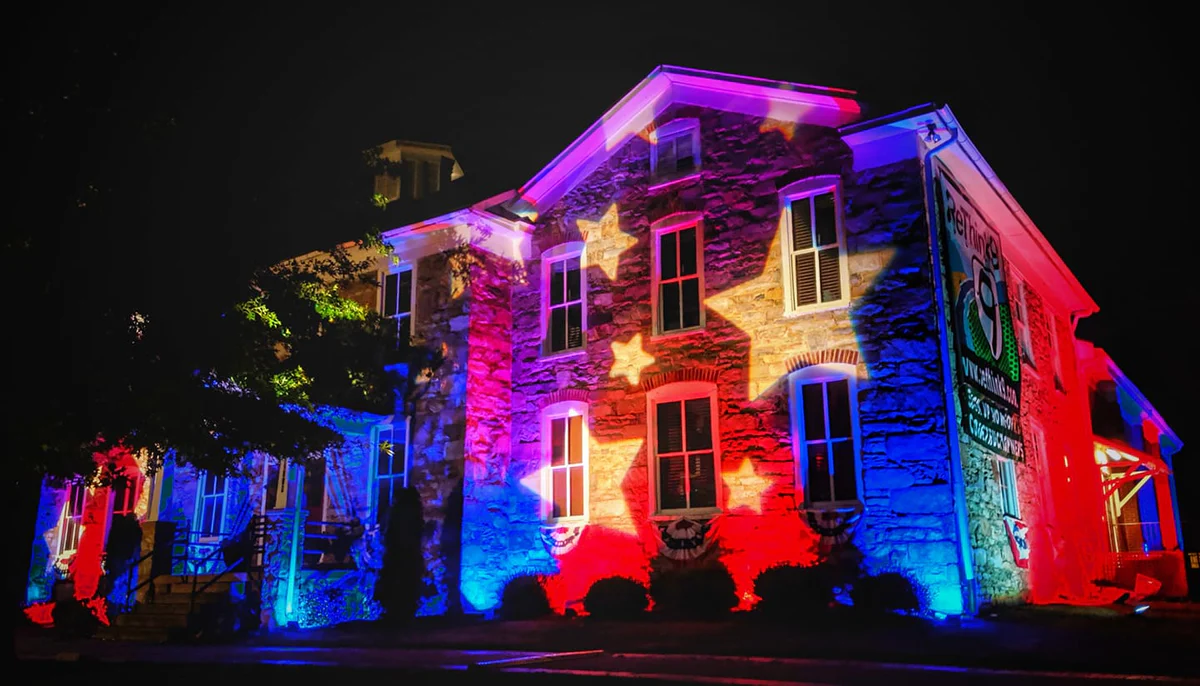
In 2025, gobo lights are designed with advanced dimming and color control features. Dimming allows users to adjust the brightness of the projection, which can be useful in creating different moods. For example, in a restaurant, a dimmer gobo light can be used to create a more intimate atmosphere during dinner service. Color control is also becoming more sophisticated. Some gobo lights can project a wide range of colors, either by using colored bulbs or through the use of RGB-LED technology. This is particularly beneficial in event lighting, where different colors can be used to match the theme or mood of the event.
Compatibility and Connectivity
Gobo lights in 2025 are designed to be more compatible with different devices and systems. They often come with multiple connection options, such as DMX (Digital Multiplex) for professional lighting setups, and Bluetooth or Wi-Fi for easy connection to smartphones or home automation systems. This compatibility allows for greater flexibility in controlling the gobo light. For example, a lighting designer can use a DMX controller to synchronize multiple gobo lights in a large-scale event, while a homeowner can use a smartphone app to control a gobo light in their living room.
In conclusion, in 2025, the product design and quality of gobo lights have evolved significantly. By paying attention to these aspects, consumers can ensure that they get a gobo light that not only meets their aesthetic and functional needs but also provides reliable and long-lasting performance.
Predchádzajúce
The Latest Trends in Gobo Lights for 2025
Komentujte