Custom Gobos: A Comparative Analysis of Materials and Their Applications in 2025
Sep 13,2025 | JINGYU OPTOELEC
In 2025, demand for custom gobos remains high across industries like entertainment, events, advertising, and architecture. As technology advances and creative needs become more complex, choosing the right material for a custom gobo is critical. This article compares the most popular gobo materials—metal, glass, and plastic—and explores their uses in different scenarios.
Metal Gobos: Durability Meets Precision
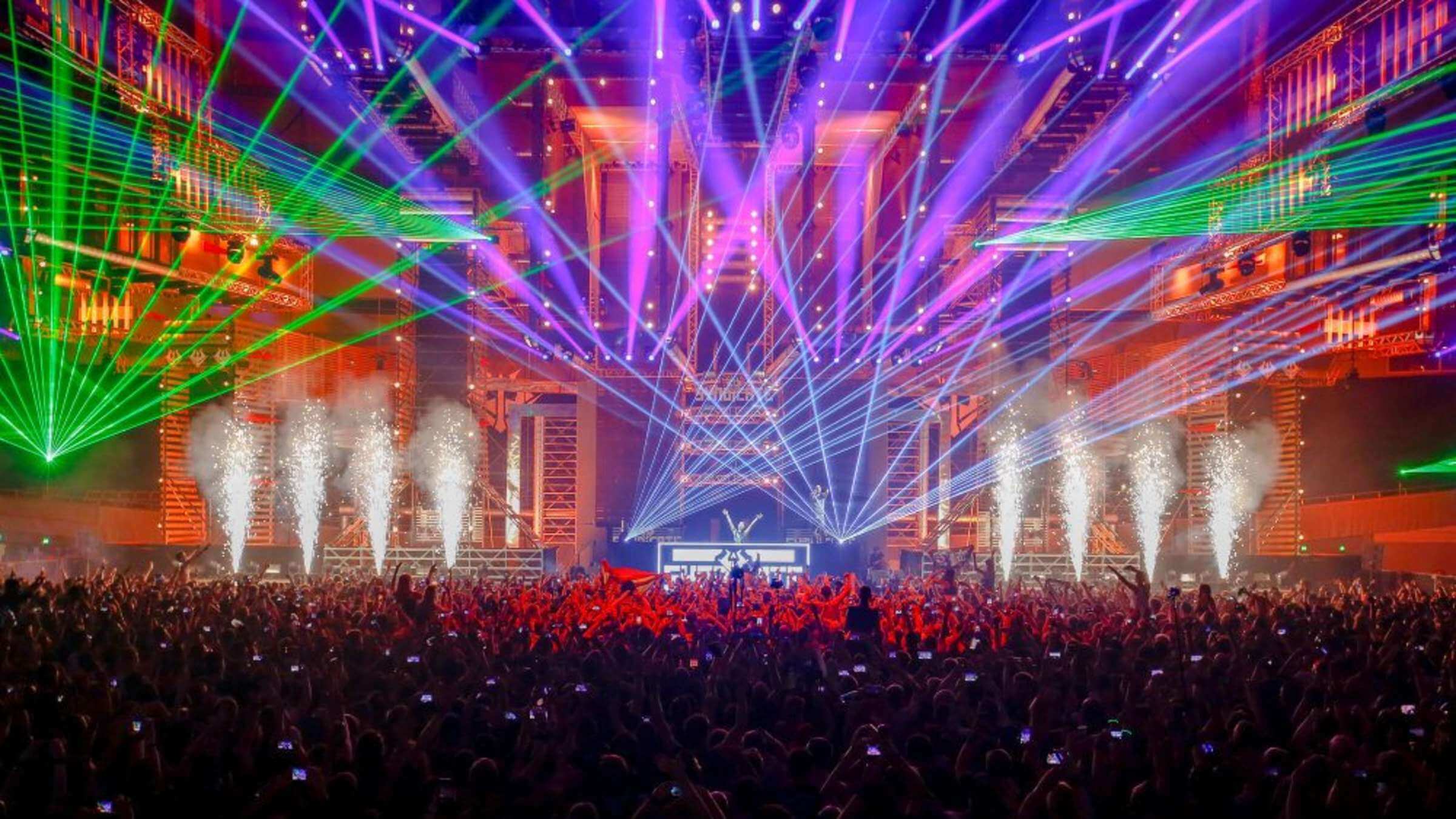
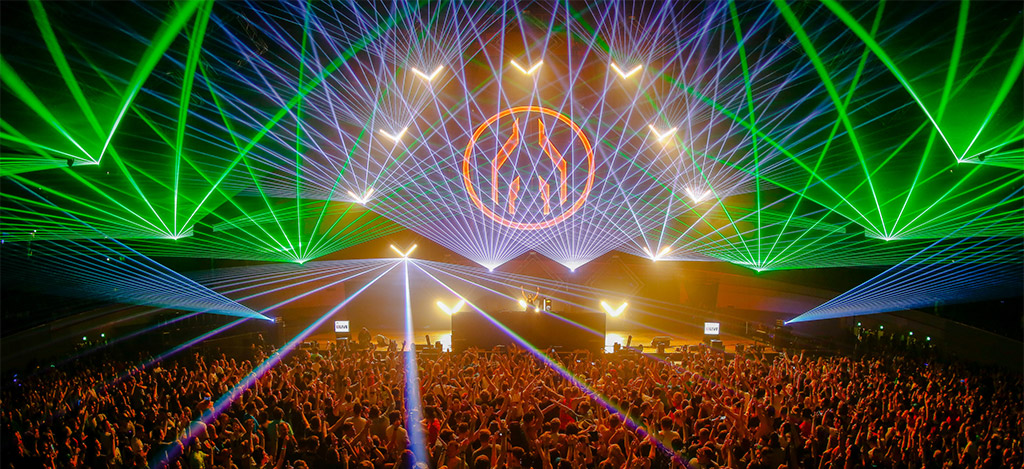
Metal gobos, typically made from steel or aluminum, are known for their strength. They are the top choice for high-energy environments like concert stages and large-scale theater productions. Their ability to withstand intense heat from powerful lighting fixtures without warping or deforming ensures consistent performance. For example, at major music festivals, where lighting rigs run for hours, metal gobos stay intact and project sharp, accurate patterns.
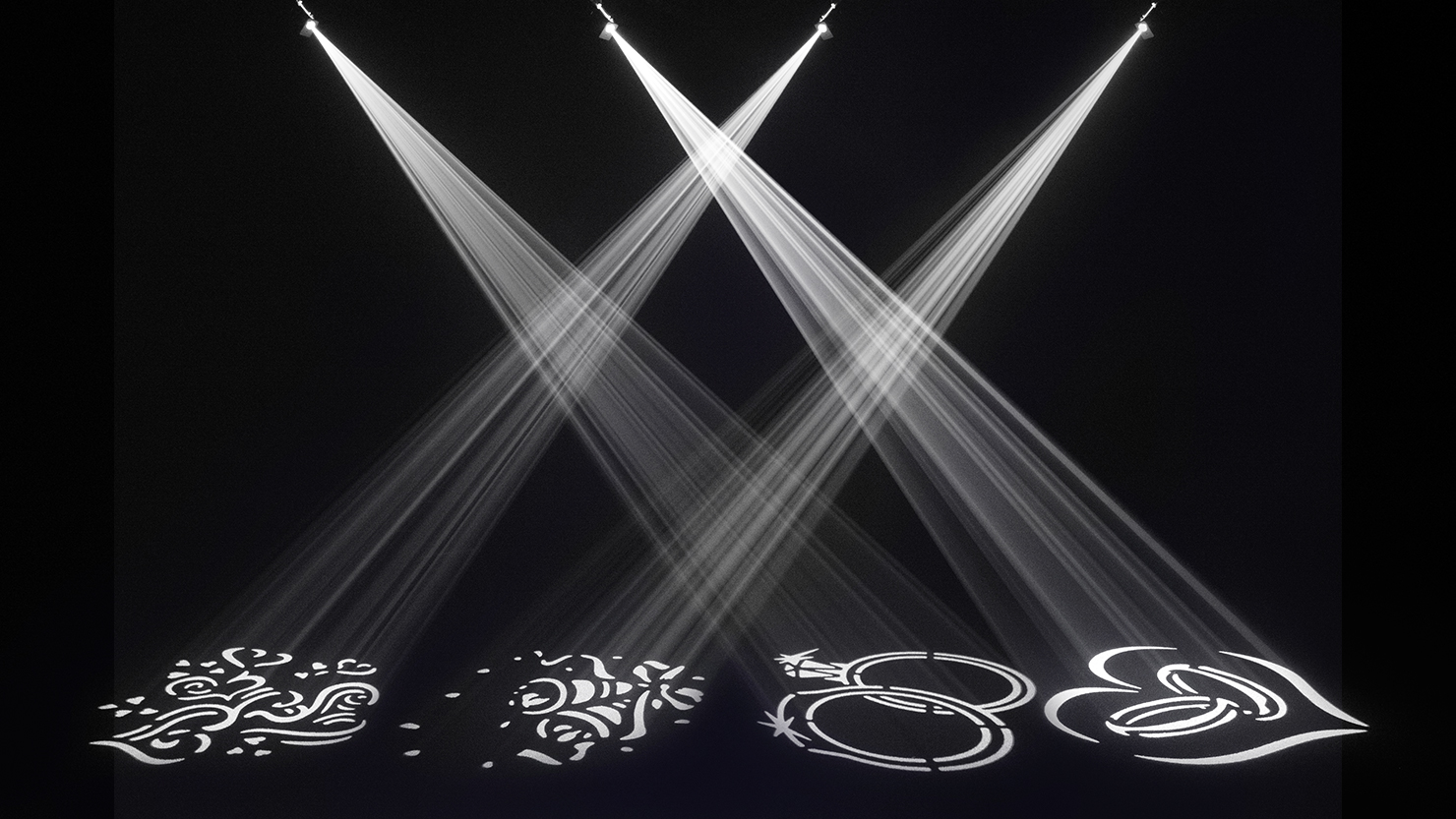
In terms of design, metal gobos can be cut into intricate patterns using laser technology. This allows for detailed designs, from fine geometric shapes to complex corporate logos. Their durability also makes them suitable for long-term installations in commercial spaces. A shopping mall, for instance, might use metal gobos to project its brand logo onto floors or walls consistently over time. However, metal gobos usually only support monochromatic projections, which limits their use in applications needing full-color visuals.
Glass Gobos: High-Definition Projections and Aesthetic Appeal
Glass gobos are essential for applications requiring high-quality, detailed projections. Made by printing designs onto glass discs, they offer unmatched optical clarity. In art galleries and museums, glass gobos project high-resolution reproductions of artworks or historical images onto display walls, improving the viewing experience. The smooth glass surface ensures projections are distortion-free, providing an accurate representation of the original.
For luxury events like high-end weddings or corporate galas, glass gobos add elegance. They can project delicate floral patterns or sophisticated monograms with a level of refinement that other materials cannot match. Additionally, glass gobos support full-color designs, making them ideal for creating immersive, visually striking environments. However, they are more fragile than metal gobos and need careful handling to avoid breakage. They are also relatively expensive, which may be a barrier for budget-limited projects.
Plastic Gobos: Cost-Effective and Versatile
Plastic gobos have improved significantly in recent years, making them a popular choice for various applications. They are an affordable option, especially for short-term or one-time events. In school plays or community festivals, plastic gobos create fun, engaging lighting effects without high costs. They come in multiple colors and finishes, offering some creative flexibility.
Plastic gobos are lightweight, making them easy to install and transport. For mobile event companies that frequently set up and take down lighting systems, this lightweight feature is a major benefit. While they do not match the durability of metal gobos or the optical clarity of glass gobos, modern plastic gobos are designed to resist heat to a certain degree and can produce decent projections. They are particularly suitable for small - scale indoor events where the projection distance is short.
Choosing the Right Material for Your Custom Gobo
Several factors influence the choice of gobo material. The type of event or application is primary. For long - term, high-heat environments, metal gobos are the most reliable. If high-definition, full-color projections are necessary, glass gobos are the best option. For budget-constrained projects or short-term use, plastic gobos are practical.
Cost-benefit analysis is also important. Glass gobos offer the best quality but come with a higher price tag. Metal gobos are durable but require a larger upfront investment. Plastic gobos are cost-effective but may need more frequent replacement. Additionally, consider installation and maintenance ease. Metal gobos can be harder to install due to their weight, while plastic gobos are easy to set up.
In conclusion, 2025 offers a range of material options for custom gobos, each with strengths and limitations. By carefully assessing your project requirements, you can select the right material for your custom gobo, ensuring your lighting design meets or exceeds expectations.
发表评论