• 阿尔巴尼亚(ALL L)
  • 阿尔及利亚(DZD د.ج)
  • 阿富汗(USD $)
  • 阿根廷(USD $)
  • 阿拉伯联合酋长国(AED د.إ)
  • 阿鲁巴(AWG ƒ)
  • 阿曼(OMR ر.ع.)
  • 阿塞拜疆(AZN ман)
  • 阿森松岛(SHP £)
  • 埃及(EGP E£)
  • 埃塞俄比亚(ETB Br)
  • 爱尔兰(EUR €)
  • 爱沙尼亚(EUR €)
  • 安道尔(EUR €)
  • 安哥拉(USD $)
  • 安圭拉(XCD $)
  • 安提瓜岛和巴布达(XCD $)
  • 奥地利(EUR €)
  • 奥兰群岛(EUR €)
  • 澳大利亚(AUD AU$)
  • 澳门特别行政区(MOP P)
  • 巴巴多斯岛(BBD BBD)
  • 巴布亚新几内亚(PGK K)
  • 巴哈马(BSD BSD)
  • 巴基斯坦(PKR ₨)
  • 巴拉圭(PYG ₲)
  • 巴勒斯坦(ILS ₪)
  • 巴林(BHD .د.ب)
  • 巴拿马(USD $)
  • 巴西(USD $)
  • 白俄罗斯(USD $)
  • 百慕大(BMD BD$)
  • 保加利亚(BGN лв)
  • 北马里亚纳群岛(USD $)
  • 贝宁(XOF Fr)
  • 比利时(EUR €)
  • 冰岛(ISK Kr)
  • 波多黎各(USD $)
  • 波兰(PLN zł)
  • 波斯尼亚和黑塞哥维那(BAM КМ)
  • 玻利维亚(BOB Bs.)
  • 伯利兹(BZD Be)
  • 博茨瓦纳(BWP P)
  • 不丹(BTN Nu.)
  • 布基纳法索(XOF Fr)
  • 布隆迪(BIF ₣)
  • 布韦岛(USD $)
  • 赤道几内亚(XAF ₣)
  • 丹麦(DKK kr)
  • 德国(EUR €)
  • 东帝汶(USD $)
  • 多哥(XOF Fr)
  • 多米尼加(XCD $)
  • 多米尼加共和国(DOP $)
  • 俄罗斯(RUB р.)
  • 厄瓜多尔(USD $)
  • 厄立特里亚(ERN Nfk)
  • 法国(EUR €)
  • 法罗群岛(DKK kr)
  • 法属波利尼西亚(XPF ₣)
  • 法属圭亚那(EUR €)
  • 法属南部领地(EUR €)
  • 梵蒂冈(EUR €)
  • 菲律宾(PHP ₱)
  • 斐济(FJD FJ$)
  • 芬兰(EUR €)
  • 佛得角(CVE $)
  • 福克兰群岛(FKP FKP)
  • 冈比亚(GMD D)
  • 刚果(XAF ₣)
  • 刚果民主共和国(CDF ₣)
  • 哥伦比亚(USD $)
  • 哥斯达黎加(CRC ₡)
  • 格恩西岛(GBP £)
  • 格林纳达(XCD $)
  • 格陵兰(DKK kr)
  • 瓜德罗普(EUR €)
  • 关岛(USD $)
  • 圭亚那(GYD $)
  • 哈萨克斯坦(KZT 〒)
  • 海地(USD $)
  • 韩国(KRW ₩)
  • 荷兰(EUR €)
  • 荷属安地列斯(USD $)
  • 赫德和麦克唐纳群岛(AUD AU$)
  • 黑山(EUR €)
  • 洪都拉斯(HNL L)
  • 基里巴斯(AUD AU$)
  • 吉布提(DJF ₣)
  • 吉尔吉斯斯坦(KGS С̲)
  • 几内亚(GNF ₣)
  • 几内亚比绍(XOF Fr)
  • 加拿大(CAD $)
  • 加纳(GHS ₵)
  • 加蓬(XOF Fr)
  • 柬埔寨(KHR ៛)
  • 捷克共和国(CZK Kč)
  • 津巴布韦(USD $)
  • 喀麦隆(XAF ₣)
  • 卡塔尔(QAR ر.ق)
  • 开曼群岛(KYD $)
  • 科科斯群岛(AUD AU$)
  • 科摩罗(KMF Fr)
  • 科特迪瓦(XOF Fr)
  • 科威特(KWD دينار)
  • 克罗地亚(EUR €)
  • 肯尼亚(KES Sh)
  • 库克群岛(NZD $)
  • 拉脱维亚(EUR €)
  • 莱索托(USD $)
  • 老挝(LAK ₭)
  • 黎巴嫩(LBP ل.ل)
  • 立陶宛(EUR €)
  • 利比里亚(USD $)
  • 利比亚(USD $)
  • 列支敦士登(CHF ₣)
  • 留尼旺岛(EUR €)
  • 卢森堡(EUR €)
  • 卢旺达(RWF ₣)
  • 罗马尼亚(RON L)
  • 马达加斯加(USD $)
  • 马尔代夫(MVR ރ.)
  • 马耳他(EUR €)
  • 马拉维(MWK MK)
  • 马来西亚(MYR RM)
  • 马里(XOF Fr)
  • 马其顿(MKD ден)
  • 马绍尔群岛(USD $)
  • 马提尼克(EUR €)
  • 马约特岛(EUR €)
  • 曼岛(GBP £)
  • 毛里求斯(MUR ₨)
  • 毛里塔尼亚(USD $)
  • 美国(USD $)
  • 美属萨摩亚(USD $)
  • 美属外岛(USD $)
  • 蒙古(MNT ₮)
  • 蒙特塞拉特(XCD $)
  • 孟加拉(BDT ৳)
  • 秘鲁(PEN S/)
  • 密克罗尼西亚(USD $)
  • 缅甸(MMK K)
  • 摩尔多瓦(MDL L)
  • 摩洛哥(MAD د.م.)
  • 摩纳哥(EUR €)
  • 莫桑比克(USD $)
  • 墨西哥(USD $)
  • 纳米比亚(USD $)
  • 南非(USD $)
  • 南极洲(USD $)
  • 南乔治亚和南桑威奇群岛(GBP £)
  • 瑙鲁(AUD AU$)
  • 尼加拉瓜(NIO C$)
  • 尼泊尔(NPR ₨)
  • 尼日尔(XOF Fr)
  • 尼日利亚(NGN ₦)
  • 纽埃(NZD $)
  • 挪威(USD $)
  • 诺福克(AUD AU$)
  • 帕劳群岛(USD $)
  • 皮特凯恩(NZD $)
  • 葡萄牙(EUR €)
  • 乔治亚(USD $)
  • 日本(JPY ¥)
  • 瑞典(SEK kr)
  • 瑞士(CHF ₣)
  • 萨尔瓦多(USD $)
  • 萨摩亚(WST T)
  • 塞尔维亚(RSD din)
  • 塞拉利昂(SLL Le)
  • 塞内加尔(XOF Fr)
  • 塞浦路斯(EUR €)
  • 塞舌尔(USD $)
  • 沙特阿拉伯(SAR ر.س)
  • 圣诞岛(AUD AU$)
  • 圣多美和普林西比(USD $)
  • 圣赫勒拿(SHP £)
  • 圣基茨和尼维斯(XCD $)
  • 圣卢西亚(XCD $)
  • 圣马丁(EUR €)
  • 圣马力诺(EUR €)
  • 圣皮埃尔和米克隆群岛(EUR €)
  • 圣文森特和格林纳丁斯(XCD $)
  • 斯里兰卡(LKR Rs)
  • 斯洛伐克(EUR €)
  • 斯洛文尼亚(EUR €)
  • 斯瓦尔巴和扬马廷(USD $)
  • 斯威士兰(USD $)
  • 苏丹(SDG ج.س.)
  • 苏里南(USD $)
  • 所罗门群岛(SBD Si$)
  • 索马里(SOS Sh)
  • 塔吉克斯坦(TJS ЅМ)
  • 台湾地区(TWD NT$)
  • 泰国(THB ฿)
  • 坦桑尼亚(TZS Sh)
  • 汤加(TOP T$)
  • 特克斯和凯科斯群岛(USD $)
  • 特里斯坦-达库尼亚(GBP £)
  • 特立尼达和多巴哥(TTD TTD)
  • 突尼斯(USD $)
  • 图瓦卢(AUD AU$)
  • 土耳其(USD $)
  • 土库曼斯坦(TMT m)
  • 托克劳(NZD $)
  • 瓦利斯和福图纳(XPF ₣)
  • 瓦努阿图(VUV Vt)
  • 危地马拉(GTQ Q)
  • 维尔京群岛,美属(USD $)
  • 维尔京群岛,英属(USD $)
  • 委内瑞拉(USD $)
  • 文莱(BND B$)
  • 乌干达(UGX Sh)
  • 乌克兰(UAH ₴)
  • 乌拉圭(UYU $)
  • 乌兹别克斯坦(UZS лв)
  • 希腊(EUR €)
  • 西班牙(EUR €)
  • 西撒哈拉(MAD د.م.)
  • 香港特别行政区(HKD HK$)
  • 新加坡(SGD S$)
  • 新喀里多尼亚(XPF ₣)
  • 新西兰(NZD $)
  • 匈牙利(HUF Ft)
  • 牙买加(JMD $)
  • 亚美尼亚(AMD Դ)
  • 也门(YER ﷼)
  • 伊拉克(USD $)
  • 以色列(ILS ₪)
  • 意大利(EUR €)
  • 印度(INR ₹)
  • 印度尼西亚(IDR Rp)
  • 英国(GBP £)
  • 英属印度洋领地(USD $)
  • 约旦(USD $)
  • 越南(VND ₫)
  • 赞比亚(USD $)
  • 泽西岛(GBP £)
  • 乍得(XAF ₣)
  • 直布罗陀(GBP £)
  • 智利(USD $)
  • 中非共和国(XAF ₣)
  • 中国(CNY ¥)
/ /

How to Choose the Right Gobo Material for Your Projection Needs

Feb 24,2025 | JINGYU OPTOELEC

When it comes to creating stunning visual effects with gobo projection lights, the material of the gobo plays a crucial role. Different materials offer varying levels of durability, detail, and cost-effectiveness. In this article, we’ll explore the three main types of gobo materials—glass, metal, and plastic—and provide guidance on how to choose the right one for your specific needs.


Glass Gobo: High Durability and Detailed Design.
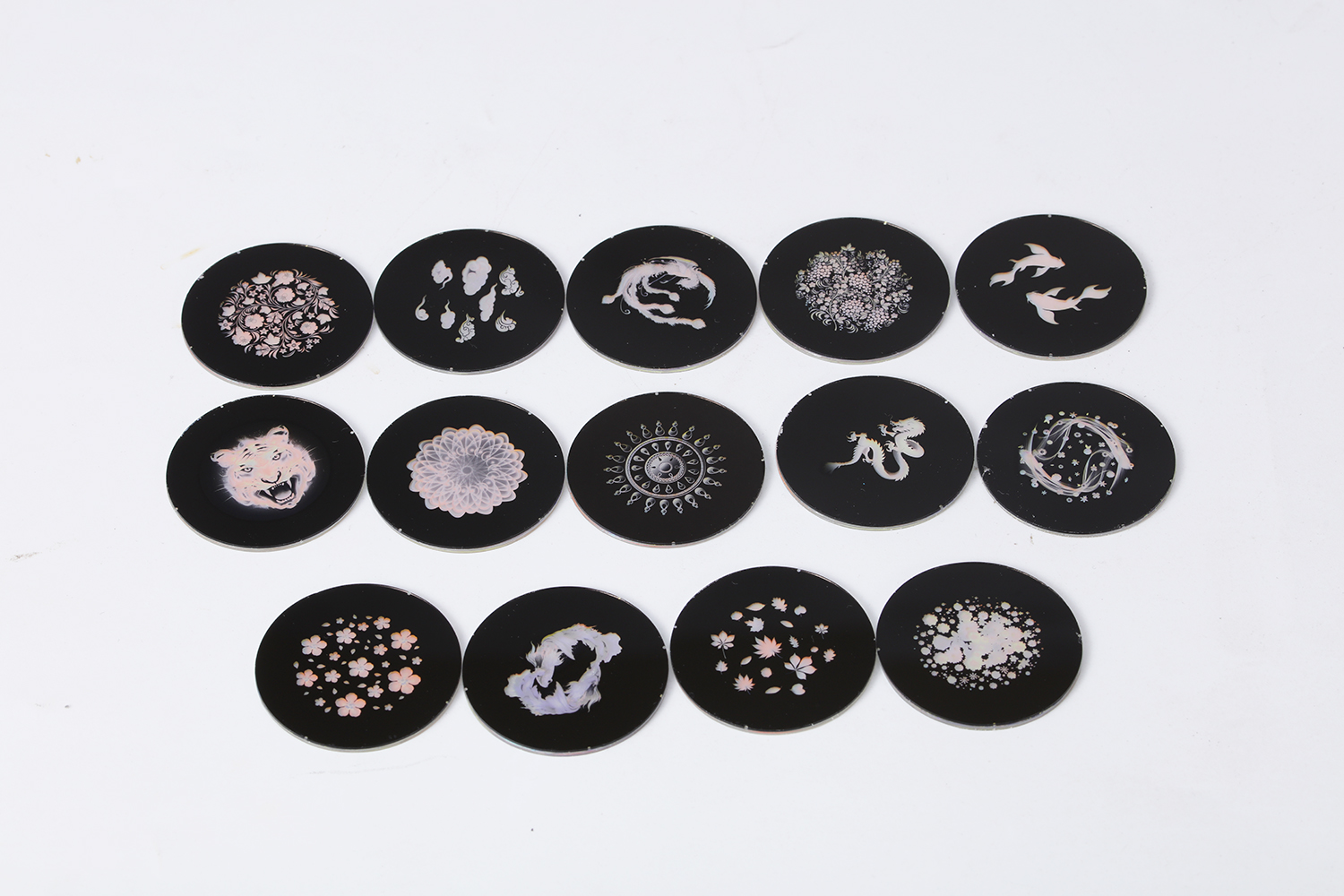

Glass gobo are known for their exceptional durability and ability to produce highly detailed designs. They are ideal for applications where intricate patterns and high-resolution images are required, such as in theatrical productions or high-end events. Glass gobo are also resistant to heat, making them suitable for use with high-intensity projection lights. However, they tend to be more expensive than other materials, so they are best suited for projects where quality is a top priority.

Metal Gobo: Cost-Effective and Ideal for Simple Patterns
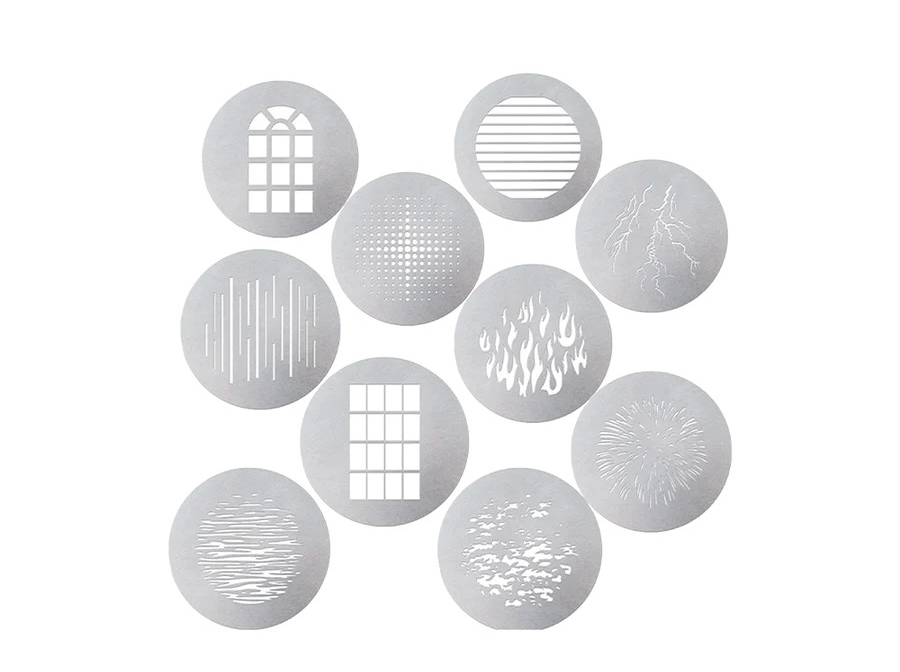

Metal gobo are a popular choice for those looking for a cost-effective solution. They are made from stainless steel or other metals and are ideal for creating simple patterns and logos. Metal gobo are durable and can withstand high temperatures, making them suitable for a wide range of applications. However, they are not as effective for highly detailed designs, as the metal can’t capture the same level of intricacy as glass.

Plastic Gobo: Lightweight and Versatile
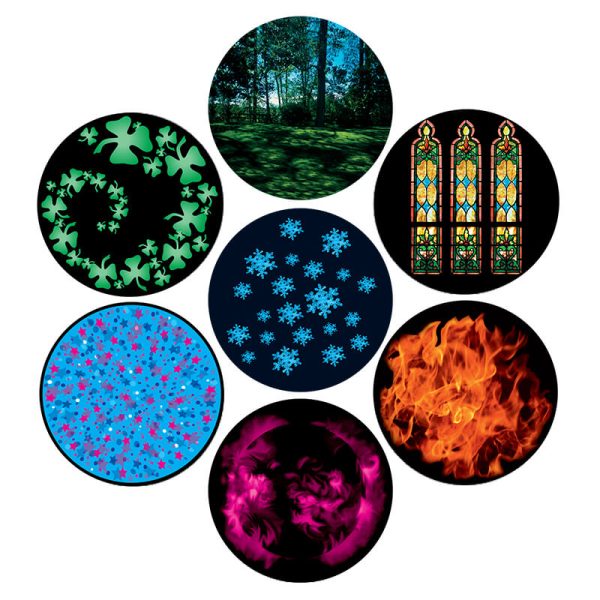

Plastic gobo are lightweight and versatile, making them a great option for temporary installations or events where frequent changes are required. They are also more affordable than glass and metal gobo, making them a popular choice for smaller budgets. However, plastic gobo are less durable and can warp or melt under high temperatures, so they are best suited for low-intensity projection lights or short-term use.


Factors to Consider When Choosing Gobo Material

When selecting the right gobo material, consider the following factors:

  • Durability: How long will the gobo need to last?

  • Design Complexity: Are you creating simple patterns or intricate designs?

  • Budget: What is your budget for gobo?

  • Application: Will the gobo be used in high-intensity or low-intensity lighting setups?


Conclusion:

Choosing the right gobo material is essential for achieving the desired projection quality and ensuring the longevity of your gobo. By understanding the strengths and limitations of each material, you can make an informed decision that meets your specific needs. Whether you opt for the durability of glass, the cost-effectiveness of metal, or the versatility of plastic, the right gobo material will help you create stunning visual effects that captivate your audience.

发表评论
姓名
邮箱
评论