Illuminating Architecture: Exploring the Three Most Common Forms of Architectural Lighting
Jul 21,2023 | JINGYU OPTOELEC
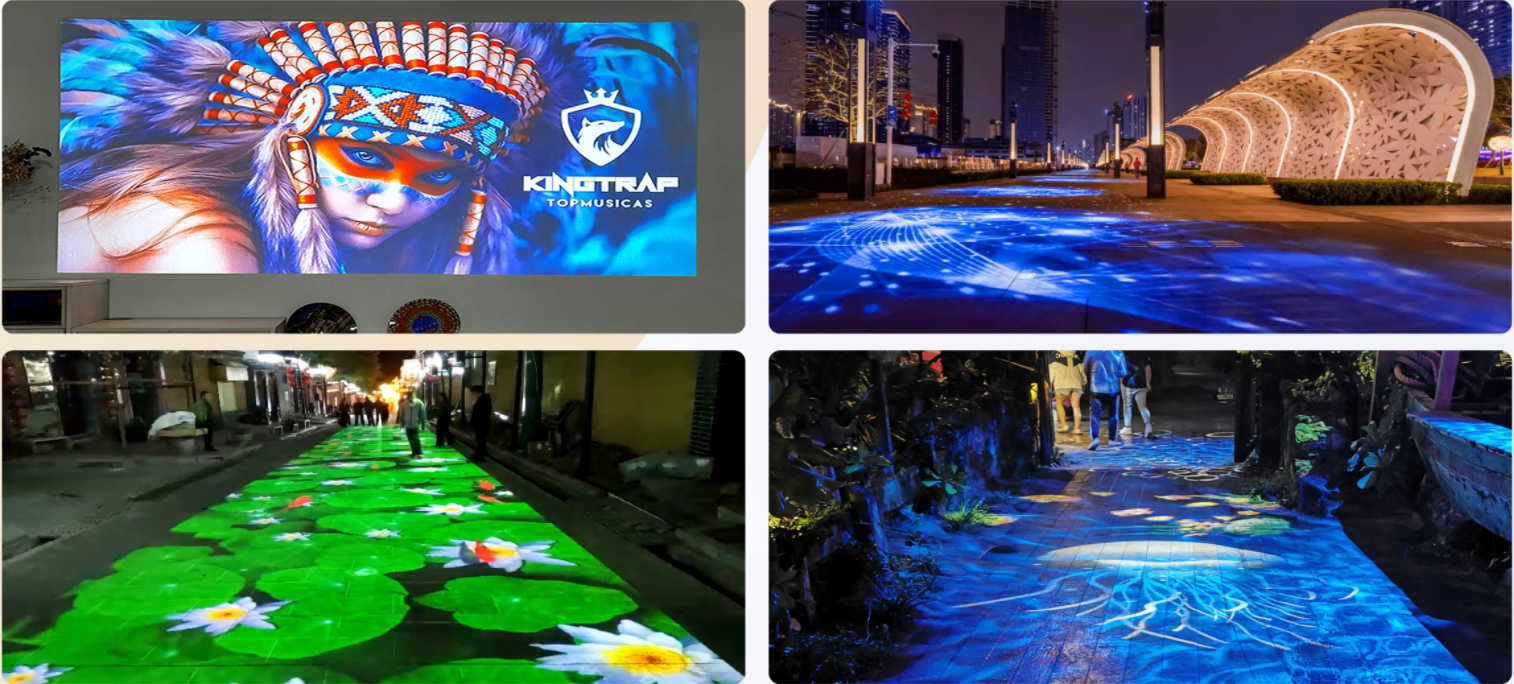
Architectural lighting plays a crucial role in showcasing the beauty and design of structures while enhancing the overall ambiance of spaces. Whether it's a towering skyscraper, a historic landmark, or a modern residential building, lighting can transform the appearance and perception of architectural marvels. In this blog post, we will delve into the world of architectural lighting and explore the three most common forms used to illuminate and accentuate buildings and spaces.
1. Façade Lighting:
Façade lighting is perhaps the most recognizable and widespread form of architectural lighting. It involves illuminating the exterior surfaces of a building, highlighting its unique architectural features, textures, and details. Here are some key aspects of façade lighting:
a) Accentuating Architectural Elements: Façade lighting aims to accentuate the architectural elements that make a building visually striking. This includes illuminating columns, arches, cornices, or intricate ornamentation to create a sense of depth and enhance the building's overall aesthetic appeal.
b) Creating a Visual Focal Point: By using well-placed light fixtures, façade lighting can create a focal point on a building. It draws attention to specific areas or design elements, such as the main entrance, a prominent sculpture, or an impressive façade feature, effectively directing viewers' gaze and adding visual interest.
c) Color and Dynamic Effects: Façade lighting offers the opportunity to incorporate color and dynamic lighting effects. Using programmable LED lighting fixtures, designers can create stunning color washes, color-changing effects, or dynamic patterns that transform the building's appearance, evoking different moods and atmospheres.
2. Landscape Lighting:
Landscape lighting complements the architectural lighting by extending the visual impact to the surrounding outdoor spaces. It involves illuminating gardens, pathways, trees, and other landscape elements. Key features of landscape lighting include:
a) Safety and Security: Landscape lighting enhances safety and security by providing adequate illumination for pathways, steps, and outdoor gathering areas. It helps prevent accidents and ensures a pleasant experience for visitors.
b) Creating Depth and Texture: By carefully positioning lights, landscape lighting creates depth and texture within outdoor spaces. Uplighting trees or highlighting textured surfaces adds visual interest and accentuates the natural beauty of the landscape.
c) Enhancing Visual Continuity: Landscape lighting works in harmony with façade lighting to create visual continuity between the building and its surroundings. Coordinating the lighting design helps establish a cohesive and integrated visual experience.
3. Interior Architectural Lighting:
Interior architectural lighting focuses on illuminating the interior spaces of a building, emphasizing its unique design features and creating functional and aesthetically pleasing environments. Key aspects of interior architectural lighting include:
a) General Lighting: General lighting provides overall illumination for a space, ensuring adequate brightness and visibility. It typically includes overhead lighting fixtures or recessed lights that evenly distribute light throughout the room.
b) Task Lighting: Task lighting serves functional purposes, providing focused and adjustable illumination for specific activities such as reading, working, or cooking. It includes desk lamps, pendant lights, or under-cabinet lighting that illuminates specific areas where tasks are performed.
c) Ambient Lighting: Ambient lighting sets the mood and creates a welcoming atmosphere within a space. It includes indirect lighting, wall sconces, or accent lights that add warmth and depth to the interior environment.
Conclusion:
Architectural lighting encompasses a range of techniques and forms that illuminate buildings and spaces, highlighting their unique architectural features and creating captivating visual experiences. Façade lighting, landscape lighting, and interior architectural lighting are three of the most common forms employed to enhance the beauty, functionality, and ambiance of structures. By leveraging these lighting techniques effectively, designers can transform buildings into works of art, make outdoor spaces come alive, and create inviting interior environments that leave a lasting impression.
发表评论