What is the difference between static and spin gobos?
Dec 24,2024
What is the Difference Between Static and Spin Gobos?
Lighting design plays a crucial role in creating the right ambiance for any event or venue. One tool that lighting designers use to enhance their creativity is the gobo. A gobo is a stencil or template used to project various patterns, textures, or images onto surfaces. There are two main types of gobos: static and spin gobos. In this article, we will explore the differences between these two types, their advantages and disadvantages, and their best use-cases.
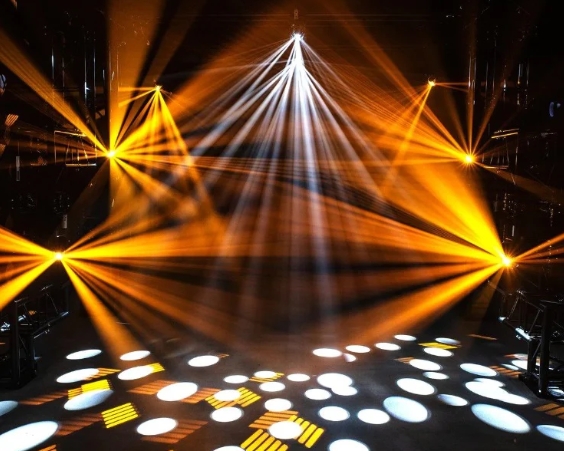
Understanding Static Gobos
Definition and Characteristics: Static gobos are fixed stencils made from materials like steel or glass. They have a static design that remains constant during the projection. These gobos create sharp, well-defined patterns with minimal or no movement.
Types and Variations: Static gobos come in various forms. Steel gobos are known for their durability and cost-effectiveness. They are crafted by precision cutting a steel sheet. On the other hand, glass gobos provide intricate details and vibrant colors. They are created by applying heat-resistant glass coatings.
Advantages and Disadvantages: Static gobos have a few advantages. They are easy to use and require little to no programming. As they do not move, they can be projected onto any surface without the risk of distortion. However, the lack of movement limits the animation possibilities of static gobos, making them less suitable for dynamic light shows or events that require constant visual changes.
Best Use-Cases for Static Gobos: Static gobos are ideal for creating static patterns, logos, or textures on walls, floors, or ceilings. They are commonly used in architectural lighting, retail environments, and corporate events where a consistent and unchanging projection is desired.
Exploring Spin Gobos
Definition and Characteristics: Spin gobos, also known as rotating or moving gobos, are designed to create dynamic patterns by spinning or rotating the gobo within the light fixture. This movement brings life to the projected image, creating animated effects.
Types and Variations: Similar to static gobos, spin gobos are available in steel and glass variations. Steel spin gobos are popular for their durability and affordability. Glass spin gobos offer more intricate designs, smoother animations, and vibrant colors.
Advantages and Disadvantages: Spin gobos provide a broader range of creative possibilities due to their ability to create moving patterns and animations. They are ideal for events that require dynamic visuals and eye-catching effects. However, the complexity of spin gobos requires more advanced programming and careful alignment, making them more challenging to work with.
Best Use-Cases for Spin Gobos: Spin gobos are often used in theatrical productions, concerts, clubs, and other entertainment settings where animated effects are desired. They are also suitable for creating captivating displays in retail spaces and special events where dynamic and ever-changing lighting is essential.
Static Gobos vs. Spin Gobos: A Comparison
Key Differences in Design and Application: The primary difference between static and spin gobos lies in their ability to create movement. Static gobos offer sharper and more precise projections, while spin gobos allow for dynamic animations.
Impact on Light Projection: Static gobos produce evenly illuminated projections without any moving elements. In contrast, spin gobos create a sense of motion and can generate moving patterns or rolling effects.
Considerations for Different Venues and Events: The choice between static and spin gobos depends on the specific needs of the event or venue. Static gobos are better suited for environments that require a consistent theme, while spin gobos are ideal for creating an energetic atmosphere or storytelling through light.
Cost Factors to Consider: In general, static gobos tend to be more cost-effective than spin gobos. The materials used and the complexity of spin gobos contribute to their higher price point.
Choosing the Right Gobo for Your Project
Determining Your Needs and Objectives: Before selecting a gobo, it is crucial to define your objectives and the desired effect. Consider the type of event, the mood you want to create, and whether dynamic or static projections are more suitable.
Budget Considerations: Evaluate your budget and factor in the cost of gobos, lighting fixtures, and any additional equipment required for installation. Determine which option aligns with your budget constraints without compromising the artistic vision.
Consulting with Lighting Designers: If you are uncertain about which gobo type is best for your project, seek advice from professional lighting designers. They have the expertise to guide you in making an informed decision that aligns with your objectives and budget.
Conclusion
To summarize, both static and spin gobos have their unique characteristics and applications. Static gobos provide sharp, fixed patterns, while spin gobos offer dynamic and animated effects. The choice between the two depends on the specific requirements of your project and the mood you wish to create. By understanding their differences, advantages, and best use-cases, you can make an informed decision and elevate your lighting design to new heights.
Remember, whether you opt for static or spin gobos, experimenting with different designs and effects can help unleash your creativity and bring your vision to life.
发表评论