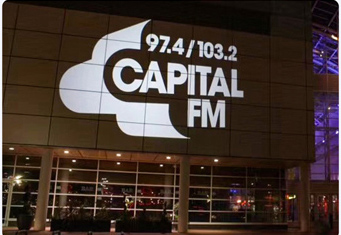
Walking into a store that has a crisp logo projected onto its entrance floor creates an immediate impression. That simple beam of light says quality, attention to detail, and modern thinking. But choosing the wrong gobo projector can turn that impression into a fuzzy, washed-out disappointment. Here is what actually matters when making a purchase decision.
Brightness Matters More Than Wattage
Many buyers assume higher wattage means better projection, but that is only half true. Wattage measures power consumption, not light output. What you really need to look at is lumen output and beam angle. A 50W projector with a narrow 15-degree beam will appear much brighter at a distance than a 100W unit with a wide 45-degree spread. For indoor spaces with controlled lighting, 30 to 50 watts is often plenty. For outdoor use or brightly lit retail environments, 100 watts and above becomes necessary to cut through ambient light.
Throw Distance and Image Size
The relationship between projector placement and image size follows a simple rule: the farther the projector, the larger the image, but also the dimmer it becomes. Most gobo projectors include a zoom lens that allows adjustment between narrow and wide beams. A zoom ratio of 1:2 means you can double the image size without moving the fixture. Always check the manufacturers throw distance chart before buying. A projector rated for 10 meters will not perform well at 30 meters, no matter how powerful the lamp.
Glass vs. Metal Gobos
The gobo itself, the thin disc or slide that holds your design, comes in two materials. Metal gobos are cut from stainless steel using laser etching. They handle heat well, last almost forever, and work perfectly for bold, one-color logos and simple shapes. Glass gobos are created by depositing a chrome layer onto optical glass and then etching away the unwanted areas. They allow for grayscale shading, fine details, and even multiple colors when used with a color wheel. If your logo includes gradients, small text, or photographic elements, glass is the only choice. For a basic outline or solid shape, metal saves money without sacrificing quality.
Lens Quality and Coatings
Entry-level gobo projectors often use plastic lenses that degrade over time and produce soft edges. Professional units use glass optics with anti-reflective coatings on each surface. These coatings reduce light loss from internal reflections, delivering up to 15 percent more usable brightness at the wall. A coated lens also reduces the halo effect around text, making letters appear sharper and more professional.
Rotating vs. Static
Some gobo projectors offer motorized rotation, allowing the image to spin slowly or at variable speeds. A rotating logo catches the eye much more effectively than a static projection, especially in retail windows. However, rotation adds moving parts that can fail over time. For permanent installations like exterior building logos, a static projection with a secure mount often proves more reliable. For event work or temporary displays, rotation provides extra visual interest.
Installation and Mounting
Placement flexibility matters more than many first-time buyers realize. A gobo projector with a yoke mount can be angled in any direction, projecting onto floors, walls, or ceilings. Some models include adjustable feet for tabletop use. For outdoor installation, look for mounting brackets that allow fine adjustments to rotation and tilt. The difference between a slightly crooked logo and a perfectly aligned one is huge for brand perception.
Budget Realities
Prices range from under 100 dollars for small indoor units to over 1000 dollars for outdoor professional models. Factor in the cost of custom gobos, which typically run from 30 to 150 dollars each depending on material and complexity. For most small to medium businesses, a 100 to 150 dollar projector with a zoom lens and a 50W LED engine delivers excellent results for standard storefront use.
The Bottom Line
Choosing a gobo projector does not require a technical degree, but ignoring the basics leads to wasted money and disappointing results. Define your projection distance first, then choose brightness and lens accordingly. Select your gobo material based on design complexity. And always test your setup at night before committing to permanent placement. Get these decisions right, and a gobo projector becomes one of the most effective marketing tools in your arsenal.