Custom Gobos: The Pinnacle of Material Innovation in 2025
Jun 13,2025 | JINGYU OPTOELEC
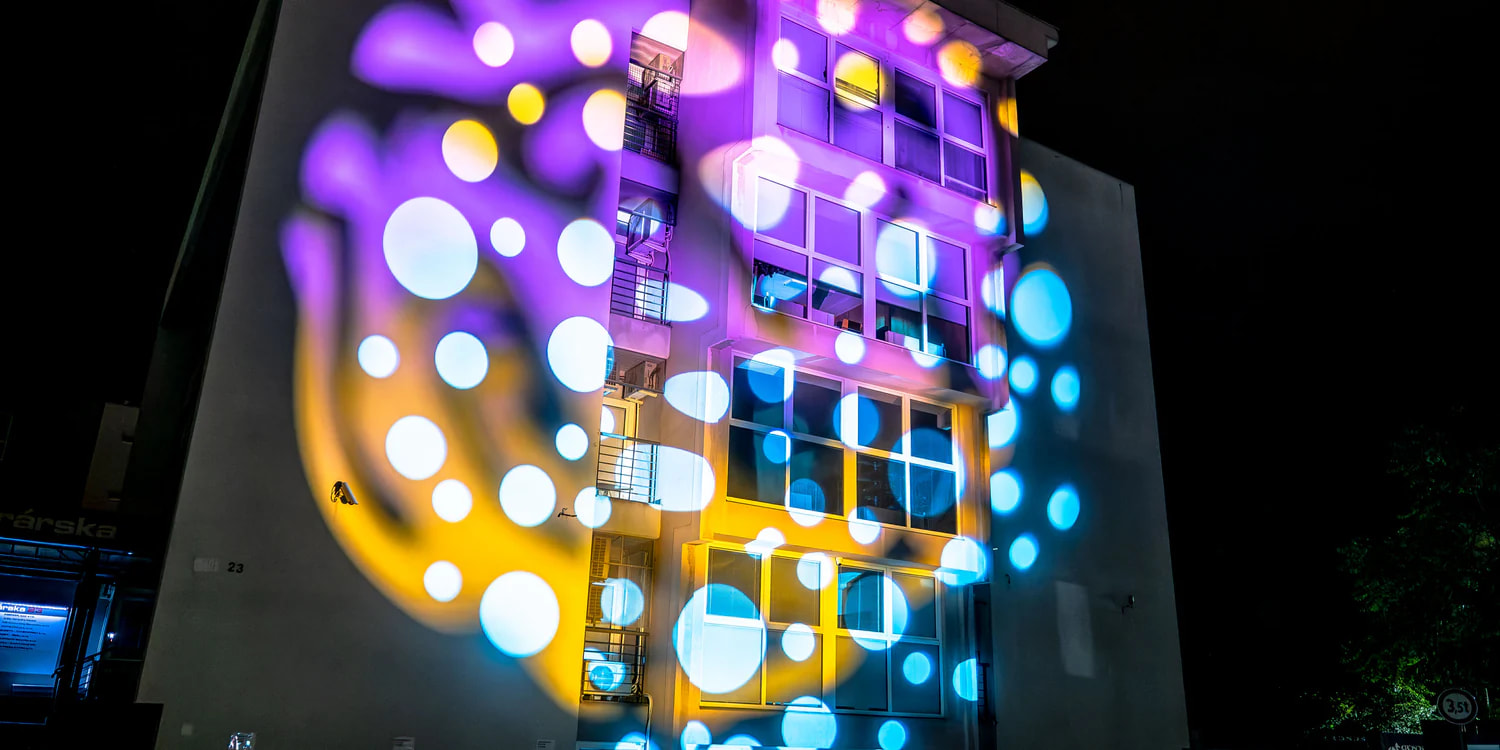
In 2025, the world of custom gobos is witnessing a remarkable revolution in materials, which is significantly enhancing their performance, durability, and creative possibilities. This trend is not only a response to the growing demand for high-quality lighting solutions but also a result of continuous research and development in the lighting industry.
Stainless Steel: The Traditional Powerhouse Reinvented
Stainless steel has long been a staple in the manufacturing of custom gobos. However, in 2025, we are seeing a new generation of stainless-steel gobos with enhanced properties. Manufacturers are now using stainless steel with higher nickel and chromium content, such as the 8-mil stainless steel favored by some leading brands.
This composition not only makes the gobos more resistant to corrosion but also enables finer details in the laser-cut designs. For example, the intricate patterns of a company logo or a complex artistic motif can be precisely reproduced, ensuring a sharp and clear projection. Compared to the 5-mil stainless steel with high carbon content used by some competitors, the new-generation stainless-steel gobos offer a longer lifespan and better image quality. The reduced carbon content minimizes the risk of oxidation and rust, which could otherwise degrade the gobo's performance over time.
Aluminum: A Lightweight and Efficient Alternative
Aluminum is emerging as a popular alternative to stainless steel in custom gobo manufacturing. Apollo, for instance, has introduced aluminum gobos that offer excellent heat dissipation properties. With a thickness of 0.016", these aluminum gobos are not only lightweight but also have a longer lifespan compared to traditional stainless-steel gobos.
The ability to dissipate heat more effectively is crucial, especially when used in high-intensity lighting fixtures that generate a significant amount of heat. This property ensures that the gobo remains stable and does not warp or distort under heat, maintaining the integrity of the projected image. Moreover, aluminum gobos are available in a wide range of sizes, depending on the pattern's level of detail. This flexibility makes them suitable for various applications, from small-scale events to large-scale commercial installations.
Glass: Precision and Clarity for High - End Applications
Glass gobos, especially those made with advanced manufacturing techniques, are the go-to choice for high- end and detailed applications. Rosco, a leading manufacturer, has set new standards in glass gobo production. Their custom glass gobos are designed to provide the highest quality resolution.
Using a unique random- screening process, Rosco can tailor the gobo to different light sources and original images. The company also manufactures its own dichroic glass, which is the key material for colored glass gobos. This in-house production allows for exceptional color consistency between gobos and batches. The ability to control the CMYK color palette gives designers unparalleled flexibility in creating custom-colored projections.
Additionally, Rosco's custom glass gobos are incredibly thin, with black-and-white and single-color versions being only 1.1mm thick, and multi-color versions at 1.9mm. This thinness is advantageous as it provides an excellent focal plane, resulting in superior image projection quality, especially when used with modern gobo projectors and moving lights.
Composite Materials: The Future on the Horizon
Looking ahead, composite materials are showing great promise in the custom gobo market. These materials combine the best properties of different substances to create gobos that are lightweight, durable, and have excellent optical properties. For example, materials that combine the heat-resistance of certain polymers with the precision-cutting capabilities of metals could offer a new level of performance.
Composite gobos could potentially be more resistant to environmental factors such as humidity and temperature changes, making them suitable for a wider range of applications, including outdoor events and installations in harsh environments. Although still in the experimental stages in 2025, the development of composite materials for custom gobos is an area to watch closely, as it could revolutionize the industry in the coming years.
Our Insight
In conclusion, the material innovation in custom gobos in 2025 is opening up new possibilities for lighting designers, event planners, and businesses. Whether it's the improved performance of traditional materials like stainless steel, the emergence of aluminum as a viable alternative, the precision of glass gobos, or the potential of composite materials, there is a custom gobo solution for every need and budget.
發表評論