Factory Lighting Design: Innovations for Enhanced Productivity
Jul 05,2025 | JINGYU OPTOELEC
In the modern factory environment, lighting is no longer just about illuminating the workspace; it has evolved into a crucial element for enhancing productivity. With the rapid development of technology and a deeper understanding of human-centric design, innovative factory lighting designs are emerging to meet the complex needs of today's manufacturing operations.
Dynamic Lighting Layouts
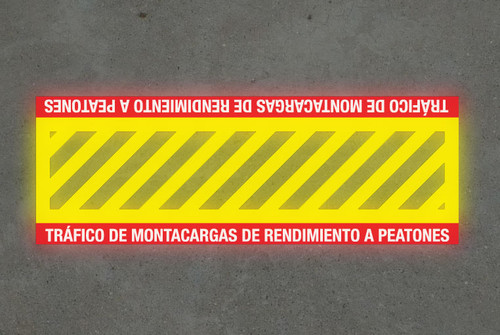
Traditional factory lighting often featured a uniform grid of fixtures across the entire space. However, innovative dynamic lighting layouts are now taking center stage. Instead of a one-size-fits-all approach, factories are adopting zoned lighting systems. For example, high-traffic areas such as aisles and loading docks require bright, continuous illumination to ensure safety and smooth movement of goods and personnel. In contrast, areas dedicated to precision assembly work demand more focused and adjustable lighting.
Modular lighting systems are being introduced, which consist of individual light units that can be easily reconfigured as production processes change. This flexibility allows factories to adapt their lighting setups to new product lines or workflow adjustments without the need for a complete overhaul. These modular systems also enable targeted lighting, reducing unnecessary energy consumption in areas where less light is required.
Intelligent Lighting Control Systems
Intelligent lighting control systems are revolutionizing factory lighting design. These systems use sensors, including motion, occupancy, and daylight sensors, to optimize lighting levels in real-time. Motion sensors can detect the movement of workers or machinery in a particular area. When no movement is detected for a set period, the lights in that zone can automatically dim or turn off, saving energy.
Occupancy sensors are particularly useful in areas such as break rooms or administrative offices within the factory. They ensure that lights are only on when the space is in use. Daylight sensors, on the other hand, work in harmony with artificial lighting. In areas with access to natural light, these sensors can adjust the intensity of artificial lights, reducing their output when sufficient daylight is available. This not only saves energy but also creates a more pleasant and productive working environment by mimicking natural light conditions.
Ergonomic Lighting Fixtures
Ergonomics is now a key consideration in factory lighting design. Workers often spend long hours in the factory, and poor lighting can lead to eye strain, headaches, and decreased concentration. Newly designed ergonomic lighting fixtures address these issues. For example, fixtures with anti-glare technology reduce the harsh reflection of light, which can be a major source of discomfort for workers.
Adjustable-arm task lights are becoming increasingly popular in factories. Workers can position these lights exactly where they need them, providing optimal illumination for specific tasks. Some advanced task lights also allow for adjustments in color temperature. Different color temperatures can have varying effects on human performance. Cooler color temperatures are often associated with increased alertness, making them suitable for tasks that require high concentration, while warmer tones can create a more relaxing atmosphere for less - demanding work.
Integration with Digital Twins and Virtual Reality
In the era of Industry 4.0, factory lighting design is also integrating with digital twins and virtual reality (VR) technologies. Digital twins are virtual replicas of the physical factory, which can simulate different lighting scenarios. Factory managers can use digital twins to test how changes in lighting design, such as the addition of new fixtures or the adjustment of lighting levels, will impact productivity, energy consumption, and worker safety before implementing them in the real-world factory.
VR is being used in the design and planning phase of factory lighting as well. Designers can create virtual models of the factory with proposed lighting systems and allow stakeholders to “walk through” the virtual space. This immersive experience helps in identifying potential issues with the lighting design, such as areas of poor illumination or glare, and making necessary adjustments early in the process.
In conclusion, factory lighting design has come a long way, and these innovative approaches are significantly contributing to enhanced productivity. By implementing dynamic lighting layouts, intelligent control systems, ergonomic fixtures, and integrating with advanced digital technologies, factories can create a more efficient, comfortable, and productive working environment. As the manufacturing industry continues to evolve, further innovations in factory lighting design are sure to emerge, offering even more benefits for both workers and businesses.
發表評論