Gobo Customization: A Step-by-Step Guide
Jul 11,2025 | JINGYU OPTOELEC
In the vibrant realm of lighting design, gobo customization has become a crucial aspect for those seeking to create unique and impactful visual experiences. Whether it's for a grand event, a creative stage production, or an innovative architectural lighting installation, customized gobos can add that special touch. In this article, we will delve into the world of gobo customization, focusing on the process, materials, and popular usage scenarios.
The Intricate Process of Gobo Customization
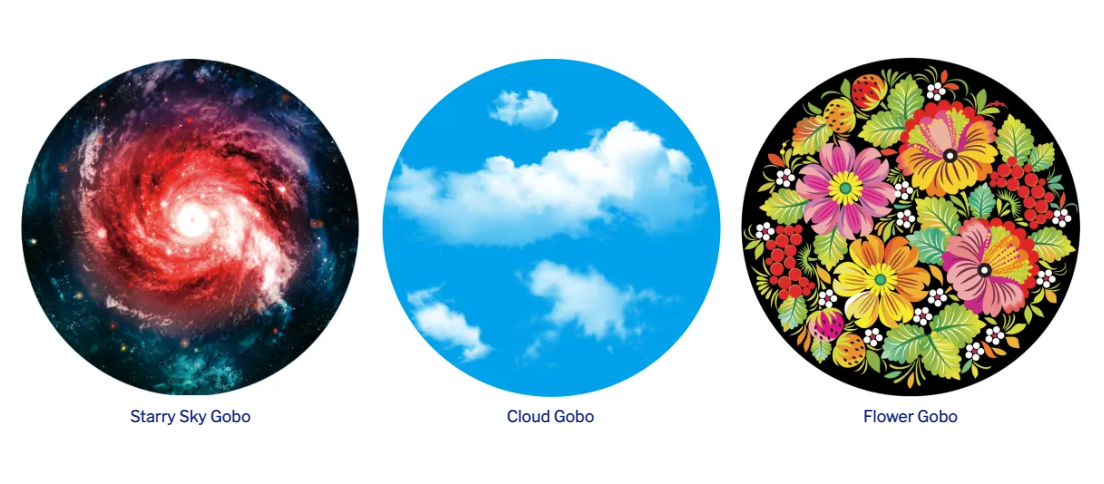
- Design Submission: The journey of a custom gobo begins with the design. You can either have an in - house design team create a unique logo, pattern, or text, or you can work with a professional graphic designer. When preparing the design, it's essential to consider the format. As mentioned earlier, vector formats such as EPS and AI are highly recommended for gobo production. These formats ensure that the image can be scaled without losing quality. High-resolution raster images with more than 2000 pixels can also be used, but vectors offer more precision, especially for intricate designs.
- Material Selection: One of the key decisions in gobo customization is choosing the material. Glass gobos are a popular choice due to their ability to produce high-quality, detailed projections. However, there are other options as well. Metal gobos, such as those made of stainless steel, copper, or aluminium, are also available. Stainless steel gobos, with a thickness of 0.1mm - 0.15mm, are relatively inexpensive and easy to carry. But they may have limitations in reproducing complex patterns. Copper gobos, with a thickness ranging from 0.1mm - 0.3mm, also have their own advantages and disadvantages. Glass gobos, usually with a thickness of 1mm - 1.5mm, can display normal patterns perfectly, but it's important to ensure the quality of the glass and the manufacturing process to avoid issues like cracking during use.
- Color Considerations: For custom gobos, color is a significant factor. You can opt for single-color gobos, which are simple yet effective. These are often used for projecting a basic logo or a straightforward pattern. Two-color glass gobos, for example, allow you to choose white/black and two other colors from a predefined palette. Three-color gobos offer even more versatility. In some advanced cases, multi-color or even full-color gobos can be created, although these are more complex and may require more advanced manufacturing techniques.
- Manufacturing and Etching: Once the design, material, and color options are finalized, the gobo is sent for manufacturing. In the case of glass gobos, the image is laser-etched onto the glass surface. The coating on the glass, which can be made of materials like aluminium, silicon, or titanium, is carefully etched to create the desired pattern. The manufacturing process requires precision to ensure that the final product meets the highest quality standards.
Popular Usage Scenarios for Custom Gobos
- Event Lighting: Custom gobos are a staple in event lighting. At weddings, a personalized glass gobo can project the couple's names, wedding date, or a special symbol onto the dance floor or a wall, adding a touch of intimacy and uniqueness. Corporate events often use custom gobos to project the company logo, brand slogans, or product images. This helps in reinforcing brand identity and creating a professional atmosphere. For example, during a product launch event, a custom gobo can project the new product's features and benefits, making it more engaging for the attendees.
- Stage and Theater Productions: In the world of performing arts, custom gobos play a vital role. They can be used to create different backdrops, set the mood for a scene, or highlight specific elements on the stage. For a period-drama play, a custom gobo can project a detailed image of a historical building or a landscape, transporting the audience to another era. In a musical concert, gobos can project dynamic patterns that sync with the rhythm of the music, enhancing the overall performance.
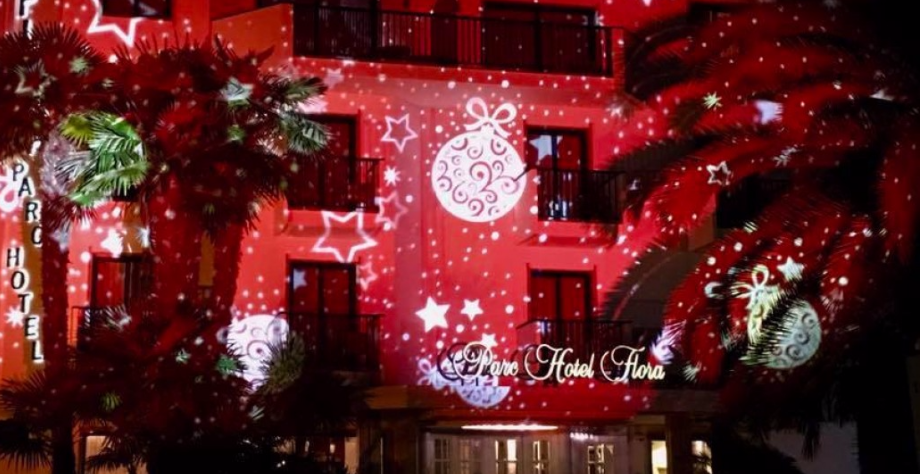
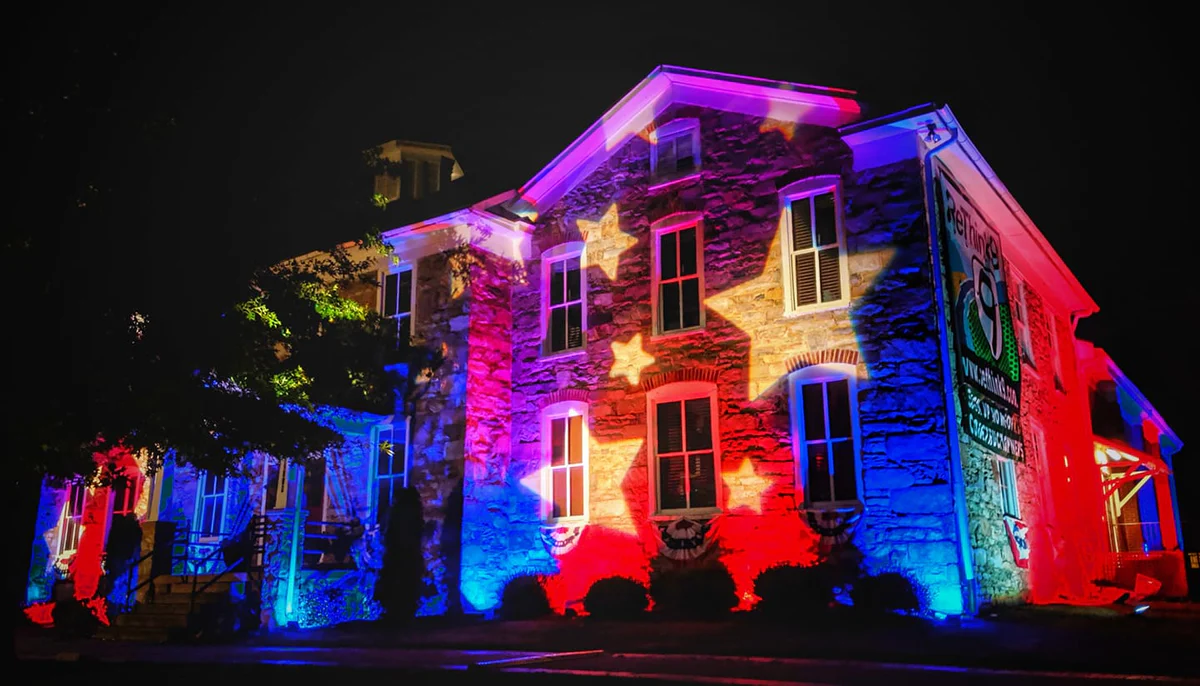
- Architectural Lighting: Custom gobos can transform the exterior or interior of a building. On the exterior, they can project patterns or logos onto the facade, making the building stand out at night. In interior design, gobos can be used to create interesting lighting effects in lobbies, corridors, or even in individual rooms. For example, in a hotel lobby, a custom gobo can project the hotel's logo or a unique design onto the floor, creating a welcoming and memorable entrance.
- Retail and Hospitality: In the retail and hospitality sectors, custom gobos are used to attract customers and create a pleasant environment. In a high-end boutique, a custom gobo can project the store's logo or a trendy pattern onto the walls, enhancing the brand image. In a restaurant, gobos can be used to project food-related images or decorative patterns, creating an inviting dining atmosphere.
Keeping Up with the Trends
The world of gobo customization is constantly evolving. With the advancement of technology, new materials and manufacturing techniques are emerging. For example, there are now gobos that can change their patterns or colors dynamically, adding an extra layer of interactivity to lighting design. As consumers become more demanding in terms of creativity and quality, the gobo customization industry is likely to see more innovation in the coming years.
In conclusion, gobo customization offers a world of possibilities for lighting designers, event planners, and architects. By understanding the customization process, choosing the right materials, and exploring different usage scenarios, you can create stunning lighting effects that leave a lasting impression. Whether you opt for a simple custom metal gobo or a complex multi-color glass gobo, the key is to align the design with your vision and the requirements of the project. So, embrace the world of gobo customization and let your creativity shine through the power of light.
發表評論
相關博客