Mastering the Art of Gobo Usage: A Step-by-Step Guide
Dec 26,2024

Learn how to use gobos for stunning lighting effects! From choosing the right gobo to mastering placement techniques, this guide has you covered.
Introduction
A. Definition of gobos
Gobos are versatile lighting tools used in stage design, event spaces, and architectural settings. They are essentially stencils or templates that help shape and project light onto a surface, creating unique and captivating visual effects.
B. Importance of gobos in lighting design
Gobos play a crucial role in transforming ordinary lighting into extraordinary experiences. By manipulating light patterns, colors, and shapes, they add depth, dimension, and ambiance to any environment.
Understanding Different Types of Gobos
A. Metal gobos
1. How they are made
Metal gobos are crafted by laser cutting or etching designs onto durable materials such as stainless steel or aluminum. They are known for their longevity and ability to withstand high temperatures.
2. Pros and cons
Metal gobos offer sharp and precise projections, making them ideal for intricate designs and detailed patterns. However, they can be more expensive compared to other types of gobos.
B. Glass gobos
1. How they are made
Glass gobos are made by coating a glass substrate with photographic emulsion, resulting in a high-resolution image. They are the go-to choice for creating vibrant, colorful, and intricate projections.
2. Pros and cons
Glass gobos provide exceptional color fidelity and intricate detail in projections. However, they are more fragile and require careful handling to prevent damage.
Choosing the Right Gobo for Your Lighting Design
A. Considering the theme or mood
When selecting a gobo, it's essential to align it with the desired theme or mood of the event. Whether it's a romantic wedding, dynamic theater performance, or corporate function, the gobo should complement and enhance the overall atmosphere.
B. Assessing the desired projection effect
Different gobos produce various projection effects, such as simple patterns, realistic landscapes, or abstract designs. Understanding the desired projection effect helps in selecting the appropriate gobo and achieving the desired visual impact.
C. Taking into account the size and shape of the venue
The size and shape of the venue greatly influence the choice of gobo. Larger venues may require more powerful projectors or wider beams to adequately cover the space. Additionally, considering the venue's architectural features can help determine whether to highlight or camouflage them using gobos.
Planning and Preparing for Gobo Usage
A. Collaborating with a lighting designer or technician
Working with a lighting designer or technician is essential for effective gobo usage. They can provide valuable insights and expertise in creating the desired lighting effects while ensuring technical aspects such as light intensity, projection distance, and focus are carefully considered.
B. Determining the proper gobo holder or projector
Choosing the right gobo holder or projector is crucial for optimal projection quality. Factors to consider include compatibility with the gobo size, proper alignment, and ensuring the projector has the necessary features to achieve the desired effects.
C. Testing and adjusting the positioning and focus
Before the event or performance, it's essential to test and adjust the positioning and focus of the gobo. This ensures the desired image is accurately projected without any distortion, blurriness, or unwanted shadows.
Using Gobos in Different Lighting Scenarios
A. Enhancing theatrical performances
Gobos are widely used in theater productions to create captivating scenes, transport audiences to different locations, and evoke specific moods. From starry night skies to realistic cityscapes, gobos bring the stage to life.
B. Creating ambiance in event spaces
In event spaces such as weddings, corporate gatherings, or parties, gobos can add a touch of elegance, personalization, or branding. Customized gobos, featuring monograms, logos, or themed designs, transform ordinary spaces into unforgettable settings.
C. Highlighting architectural features
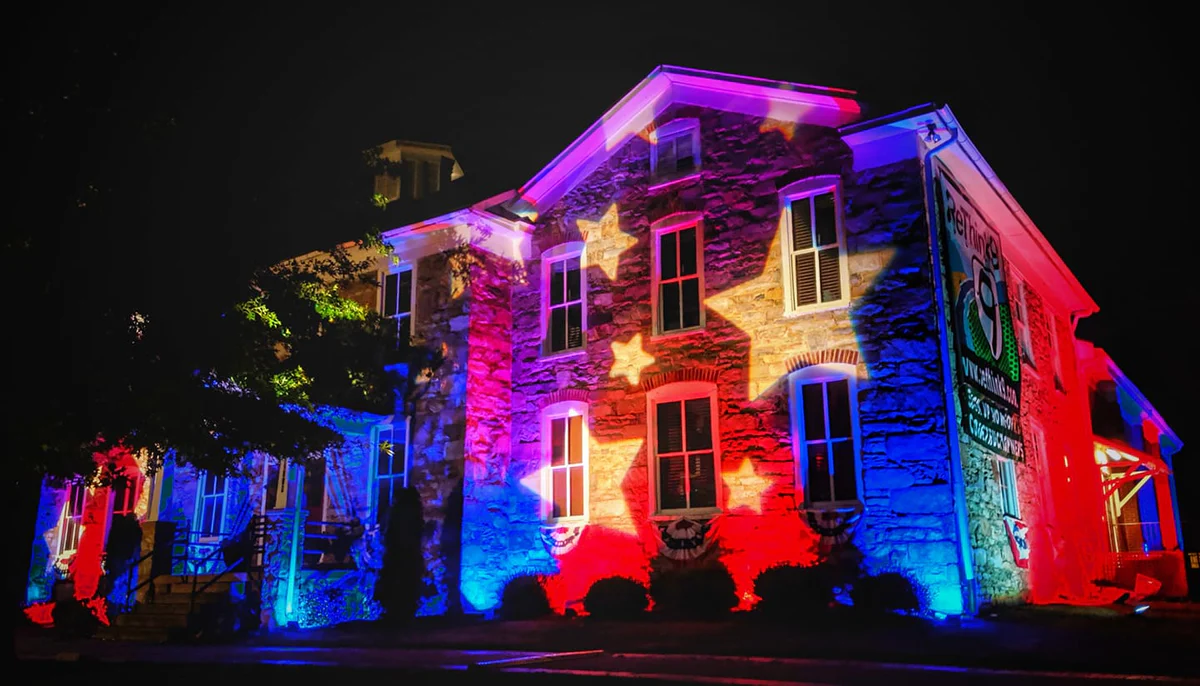
Architectural gobos can accentuate the beauty of buildings, monuments, or structures. Whether it's illuminating intricate facades, highlighting pillars, or projecting patterns onto walls, gobos offer a creative and versatile way to enhance architectural exteriors.
Mastering the Technique of Gobo Placement
A. Positioning the gobo for optimal effect
Experimenting with different placement options allows for the creation of unique and visually captivating effects. Placing the gobo closer to the projector produces sharp, focused projections, while moving it farther away creates softer, diffused patterns.
B. Experimenting with distance and angles
Varying the distance between the projector and surface, as well as adjusting the angle, can dramatically alter the intensity, size, and shape of the projected image. Experimenting with different setups allows for creative exploration and customization.
C. Layering multiple gobos for a unique look
By layering multiple gobos, you can create intricate and multi-dimensional effects. This technique involves combining different designs, colors, or textures to achieve a truly unique and captivating lighting experience.
Troubleshooting Common Gobo Challenges
A. Dealing with uneven lighting or shadows
Uneven lighting or unwanted shadows can occur due to poor gobo positioning, inadequate projector focus, or insufficient light intensity. Ensuring proper alignment, focus, and sufficient lighting can help resolve these challenges.
B. Addressing issues with gobo positioning or alignment
Proper gobo positioning and alignment are crucial for achieving accurate and distortion-free projections. Double-checking the gobo holder, ensuring it is securely attached and aligned correctly, can help avoid any issues related to placement.
C. Troubleshooting projector or gobo holder malfunctions
In the event of projector or gobo holder malfunctions, it is advisable to have spare equipment on hand during performances or events. Regular maintenance, cleaning, and testing of projectors and gobo holders can help prevent unexpected technical issues.
Maintaining and Caring for Gobos
A. Cleaning and storage tips
To maintain the longevity and quality of your gobos, it is important to clean them regularly using specialized cleaning solutions and equipment. Proper storage in protective cases or sleeves also helps prevent damage or scratching.
B. Proper handling techniques
Handling gobos with care is essential to avoid fingerprints, smudges, or scratches. Always hold them by the edges and avoid touching the surface. Wearing clean gloves can help minimize the risk of leaving residues or oils on the gobo.
C. Evaluating the need for replacement
Over time, gobos may become worn, damaged, or outdated. Regularly assess the condition and relevance of your gobos. Investing in new gobos based on changing needs or trends ensures optimum performance and visual impact.
Conclusion
A. Recap of key points
Gobos are powerful tools that add color, texture, and drama to any lighting design. By understanding the different types, choosing the right gobo, mastering placement techniques, and troubleshooting common challenges, you can create breathtaking lighting effects.
B. Encouragement to experiment and explore with gobos
The world of gobos is full of endless possibilities. Don't be afraid to experiment, explore, and push the boundaries of creativity. Embrace the magic of gobos and uncover the potential they hold for captivating lighting experiences.
C. Final thoughts on the mastery of gobo usage
Mastering gobo usage takes practice, patience, and a keen eye for design. As you gain experience and refine your skills, you'll become proficient at transforming ordinary spaces into extraordinary visual spectacles. Enjoy the journey and embrace the artistry of gobo lighting.
發表評論