What is a gobo source and how is it used in lighting?
Dec 15,2024
Lighting is an essential aspect of creating captivating atmospheres in various spaces. One often overlooked element of lighting design is the gobo source. In this blog post, we will explore the origins of gobo sources, their role in lighting design, and how they can be effectively incorporated into different lighting setups.
The Origins of Gobo Sources
Gobos have a fascinating history. Initially developed in the early 20th century, gobos were used predominantly in theater productions to create different lighting effects. However, their popularity quickly spread beyond the theater world, and they became an integral part of lighting design for events, architectural spaces, and even home decor.
Creating high-quality gobos requires expert craftsmanship and precision. This is where gobofactories come into play. These specialized facilities employ skilled technicians who design and manufacture gobos using advanced techniques. Gobofactories play a crucial role in ensuring that gobo sources meet the industry standards and artistic requirements.
Understanding Gobos
Gobos, short for "go-between optics," are typically made from metal or glass and are used to project patterns, images, or shapes onto a surface when placed in front of a light source. They act as a stencil, blocking or modifying the light to create stunning visual effects.
There are various types of gobos available, including standard gobos with popular patterns like stars, abstract designs, and textures. Additionally, custom gobos can be made by engraving specific images or logos onto the surface. This versatility allows lighting designers to personalize and elevate their designs.
Using Gobos in Different Lighting Setups
Gobos can be utilized in a wide range of lighting fixtures, such as spotlights, projectors, and even string lights. They can be used to add depth, drama, and atmosphere to any space. Here are a few examples of how gobos can be incorporated:
- Highlighting architectural details: By projecting patterns or textures onto walls, ceilings, or other architectural elements, gobos can enhance the visual appeal of a structure.
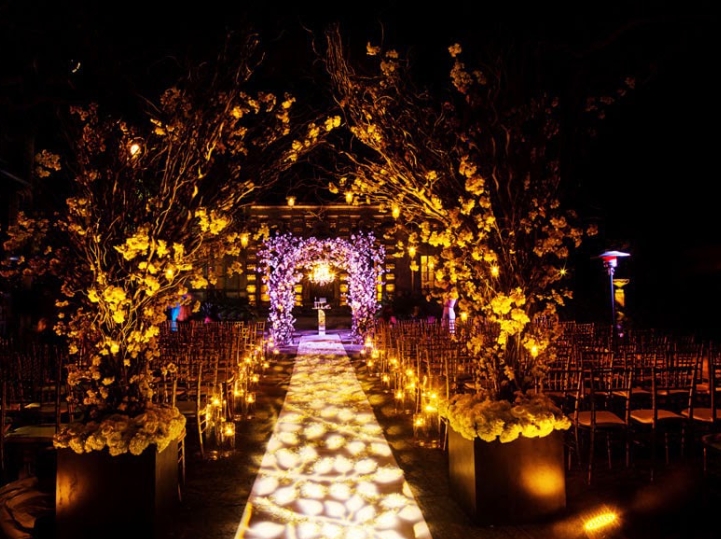
- Creating themed environments: Whether it's a wedding, corporate event, or theatrical production, gobos can be used to project themed images or branding elements onto surfaces, immersing guests in a specific atmosphere.
- Setting the mood: Gobos can be employed to create various lighting effects, such as dappled light through tree branches, rippling water patterns, or the illusion of flickering flames.
Benefits of Using Gobos in Lighting
Using gobos in lighting design provides numerous benefits:
- Flexibility and versatility: Gobos allow for easy customization, enabling designers to adapt and modify lighting designs based on the specific requirements of different events or spaces.
- Enhanced ambiance: Gobos can transform ordinary spaces into extraordinary ones by adding layers of texture, color, and shapes.
- Branding and personalization: By incorporating custom gobos, businesses can project their logos, slogans, or other branding elements, reinforcing their identity and creating a memorable experience for clients or event attendees.
Tips for Using Gobos Effectively
While incorporating gobos into lighting design can be highly rewarding, there are a few considerations to keep in mind for optimal results:
- Choosing the right gobo: Carefully select gobos that align with the desired mood, theme, or branding. Experiment with different patterns, sizes, and materials to achieve the desired effect.
- Positioning and focus: Pay attention to the placement and focus of the gobo source to ensure the desired image or pattern is projected accurately.
- Test and refine: Conduct thorough tests and rehearsals to fine-tune the lighting design and make necessary adjustments to achieve the desired outcome.
Conclusion
Gobo sources play a crucial role in lighting design, allowing for the creation of captivating visual effects and enhancing the overall ambiance of any space. With their diverse applications and versatility, gobos are a valuable tool in the repertoire of lighting designers. By understanding the origins, types, and effective usage of gobos, designers can elevate their lighting designs to new heights and create unforgettable experiences.
發表評論