2026 Gobo Lights & Gobos Applications: Transform Spaces Across Industries
Feb 10,2026 | JINGYU OPTOELEC

Gobos have evolved from niche stage lighting tools to versatile solutions reshaping visual experiences across entertainment, commercial, industrial, and cultural sectors in 2025. These customizable templates, paired with advanced LED and intelligent control technologies, offer businesses and creators cost-effective, flexible, and immersive projection options.
As demand for personalized and functional lighting grows—fueled by trends like experiential retail, smart industrial operations, and urban beautification—gobos and gobo lights are becoming indispensable. Below are the top application scenarios defining the market this year, backed by latest industry cases and data.
Entertainment & Events: Elevating Experiences
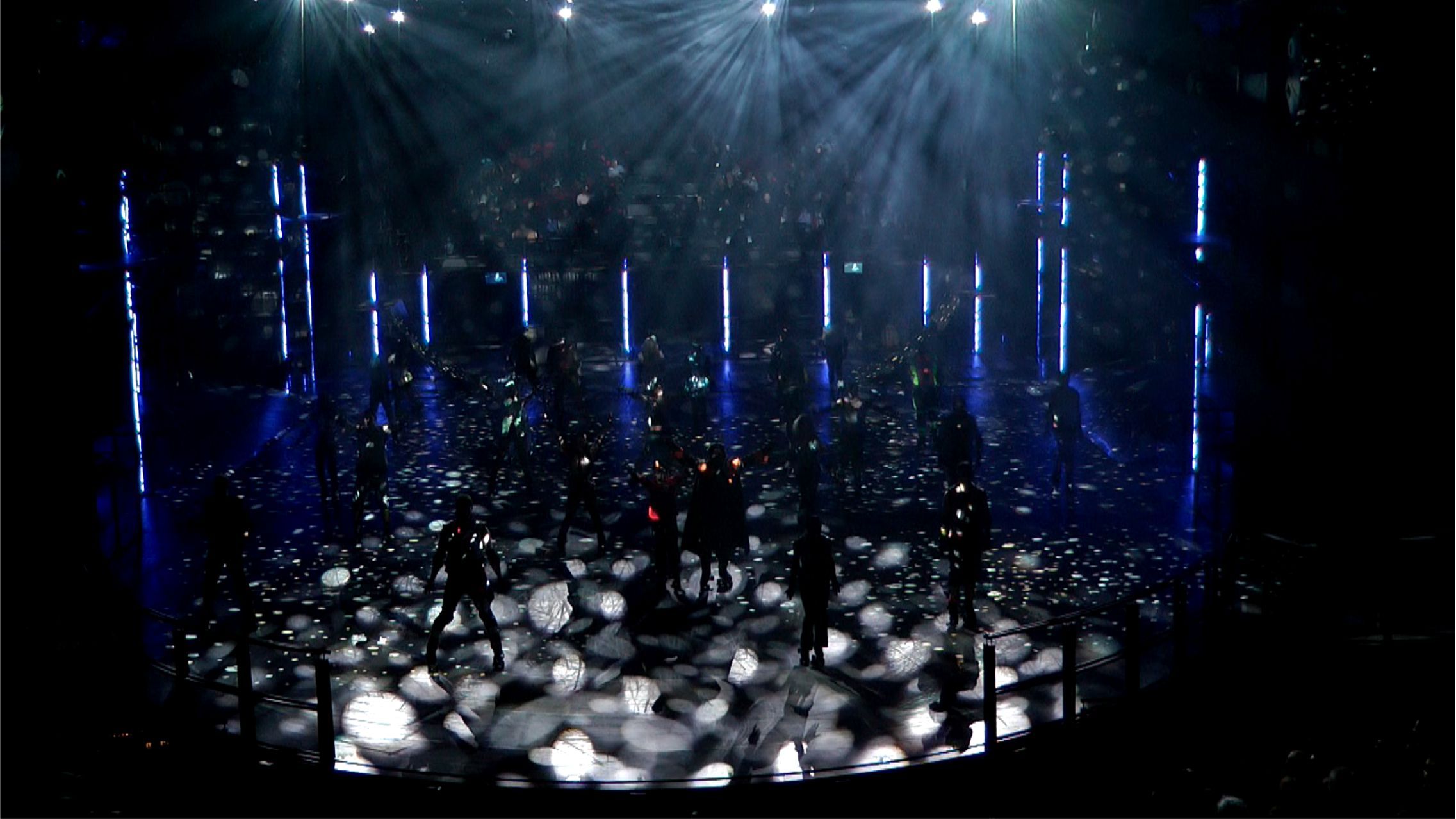
The entertainment industry remains the cornerstone of gobo and gobo light applications, seeing a surge in dynamic and interactive uses. Live performances, festivals, and private events are leveraging static and animated gobos to create immersive atmospheres that resonate with audiences.
A standout example is the 2025 Guangdong-Hong Kong-Macao Greater Bay Area Lantern Festival, which integrated custom gobos into hundreds of large-scale light installations, projecting youth-designed artworks and IP-themed patterns to enhance cultural engagement.

Stage lighting designers are increasingly combining gobos with AI and color-calibration technologies—such as Govee’s LuminBlend+ system—to match lighting effects with performance rhythms and emotional tones. For small-scale events like home parties and local gigs, all-in-one gobo lights have seen 230% sales growth in 2025, thanks to their portability and ability to project logos, patterns, and strobe effects in one device. Even virtual events now use gobos to project realistic backgrounds, bridging the gap between physical and digital experiences.
Commercial & Retail: Driving Value Through Experiential Signage
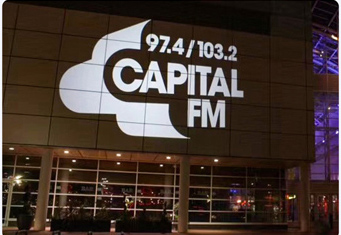
As retail shifts from price wars to value-driven experiences in 2026, gobos and gobo lights have become key tools for brands to stand out. Retailers are using custom gobos to project logos, product highlights, and seasonal messages onto floors, walls, and windows—creating eye-catching displays that boost foot traffic and brand recall.
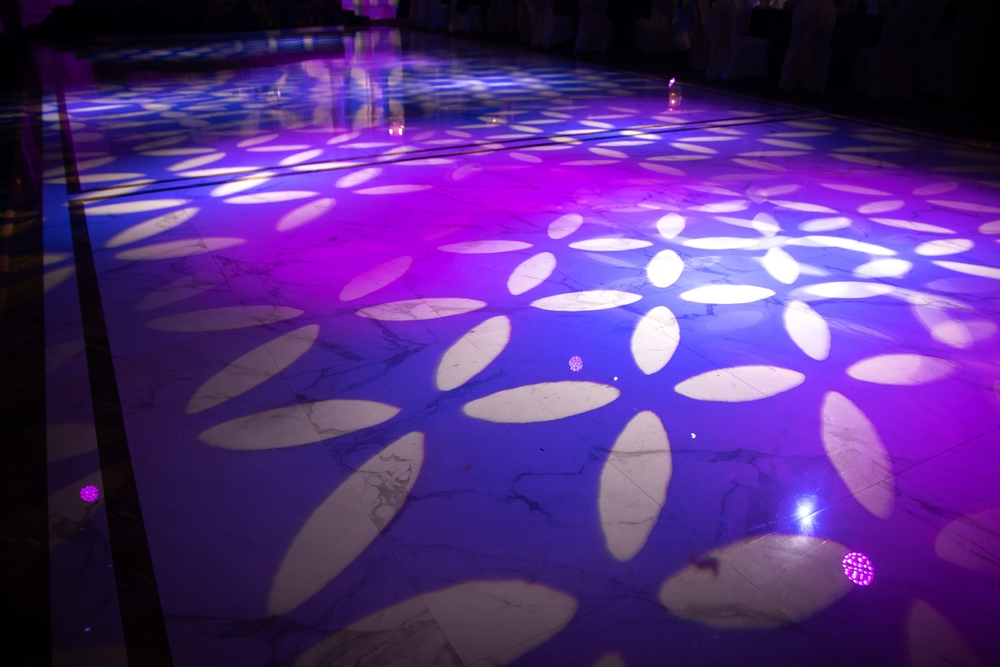
Unlike traditional static signs, gobos offer flexibility: stores can easily switch projections for promotions (e.g., Christmas, New Year) or new product launches without costly signage replacements. Restaurants and hospitality venues are also embracing gobos to enhance ambiance. For instance, casual dining chains use warm-toned gobos to project texture patterns that create a cozy atmosphere, while high-end hotels deploy dynamic gobos in lobbies to match evening events or brand themes. Outdoor commercial spaces benefit from weather-resistant gobo lights that operate in extreme temperatures (-40°C to 60°C), making them ideal for winter promotions and outdoor pop-ups.
Industrial & Safety: Enhancing Efficiency & Hazard Awareness
2025 has witnessed rapid adoption of gobo lights in industrial settings, where safety and operational efficiency are top priorities. Traditional painted signs and floor markings are being replaced by gobo projectors, which offer superior visibility, durability, and cost-effectiveness. Companies like Brady are leading the charge with gobo light projectors that display high-contrast safety warnings, traffic flow guides, and zone markers in warehouses, manufacturing facilities, and construction sites.
Key advantages include adaptability to harsh environments—gobos remain visible even in dusty, oily, or low-light conditions—and dynamic adjustability. For example, night-shift workers benefit from gobos that project safety symbols in dark areas, reducing accident risks. Gobo lights also cut maintenance costs: unlike painted markings that wear off, projections require no regular touch-ups, and new patterns can be uploaded instantly via wireless controls. Additionally, LED-powered gobo lights align with industrial sustainability goals, reducing energy consumption by 40% compared to traditional lighting.
Architectural & Urban Design: Illuminating Spaces with Art & Function
Gobo lights have become a staple in urban beautification and architectural lighting projects in 2026, transforming buildings, landmarks, and public spaces into visual landmarks. Large-scale gobo lights (150W-1500W) are used to project patterns, cultural motifs, and seasonal themes onto building facades—examples include iconic structures like the Burj Khalifa and Shanghai Bund, where gobos enhance night-time aesthetics and attract tourists.
Public parks and city squares are also adopting gobos for community engagement. For instance, local governments use dynamic gobos to project holiday greetings, public announcements, or art installations during festivals, fostering a sense of community. Gobo lights also offer functional value in urban settings: they can illuminate walkways, highlight public art, and even guide pedestrians in busy areas—all while maintaining a sleek, unobtrusive design. With the rise of smart cities, many gobo lights now integrate IoT technology, allowing remote control and synchronization with other urban lighting systems.
Cultural & Educational: Preserving Heritage & Enhancing Learning
A growing application area for gobos and gobo lights in 2025-2026 is cultural institutions and educational facilities. Museums and galleries use gobos to project detailed images, text, and interactive elements onto exhibits, enhancing visitor understanding without damaging artifacts. For example, history museums project historical maps or document snippets onto display cases, while art galleries use gobos to highlight brushstrokes or color details in paintings.
Schools and universities leverage gobos for interactive learning. Classrooms use portable gobo lights to project diagrams, formulas, or video game-style content, making lessons more engaging for students. Libraries and auditoriums also use gobos for events—projecting logos, event themes, or inspirational quotes to set the tone for lectures, performances, or graduation ceremonies. This application aligns with the trend of experiential education, where visual tools improve knowledge retention and student participation.
In 2026, the versatility of gobos and gobo lights continues to expand, driven by technological advancements in LED, AI, and wireless control. Whether enhancing entertainment experiences, boosting retail value, improving industrial safety, or beautifying urban spaces, these solutions offer unmatched flexibility and efficiency. As industries prioritize personalization, sustainability, and functionality, gobos and gobo lights will remain at the forefront of lighting innovation—adapting to new use cases and reshaping how we interact with light and space.
發表評論