The Ultimate Guide to Choosing & Using Outdoor Gobo Projectors
Dec 01,2025 | JINGYU OPTOELEC
In 2025, outdoor lighting has transcended basic illumination—gobo projectors now allow you to transform any exterior space into a dynamic canvas for branding, storytelling, or ambiance. Whether you're lighting up a commercial facade, creating a magical wedding venue, or enhancing your home's curb appeal, choosing the right gobo light is crucial for achieving professional results. This comprehensive guide walks you through every aspect of selecting, installing, and maintaining outdoor gobo projectors to ensure your investment delivers maximum impact.
What Makes Outdoor Gobo Projectors Different?
Unlike indoor fixtures, outdoor gobo projectors are engineered to withstand the elements while delivering consistent performance—making them a durable choice for year-round use. Modern outdoor models feature IP65/IP67 waterproof ratings, providing complete protection against dust and water, even during heavy rain or snow. Their rugged construction (typically aluminum or stainless steel) resists corrosion and impact, ensuring longevity in harsh outdoor conditions.
Temperature resistance is another key feature: outdoor gobo light fixtures operate reliably in extreme heat (up to 122°F/50°C) or cold (down to -4°F/-20°C) without compromising brightness or functionality. They also offer higher brightness compared to indoor projectors—outdoor environments require more lumens (typically 15W-600W) to overcome ambient light from streetlights, buildings, or sunlight.
The market now offers a wide range of options to suit every need: budget-friendly 15-30W models for small residential spaces (patios, gardens), 50-100W fixtures for medium-sized venues (restaurants, storefronts), 200-300W commercial-grade projectors for large event spaces or building facades, and 600W+ units for stadiums or architectural landmarks.
Key Factors to Consider When Choosing Your Gobo Projector
1. Power & Brightness: Match the Space
Your projector's wattage directly affects projection size, visibility, and overall impact—choosing the right power level ensures your gobo light performs as intended. For small yards, patios, or boutique storefronts, a 15-30W model is sufficient, covering distances up to 15 feet with clear, focused projections. These compact fixtures are energy-efficient and easy to install, making them ideal for residential use or small businesses.
Medium-sized venues like restaurants, cafes, or community event spaces benefit from 50-100W gobo projectors, which cover up to 30 feet. These fixtures balance power and efficiency, delivering bright projections without excessive energy use. For large buildings, concert venues, or festival grounds, 200-300W projectors are the way to go—they can project clear patterns up to 50+ feet, making them perfect for branding or architectural enhancement.
Stadiums, skyscrapers, or large-scale events require 600W+ commercial-grade projectors, capable of covering 100+ feet with intense brightness. While these models are more expensive, they’re designed for professional use and offer advanced features like DMX control or color-changing capabilities.
For most commercial and residential applications, a 50-100W IP67 LED gobo projector offers the best balance of power, efficiency, and affordability—delivering reliable performance without breaking the bank.
2. Light Source Technology: LED vs. Traditional
LED technology has revolutionized gobo lighting, making outdoor projectors more efficient, durable, and versatile than ever before. LED gobo projectors consume up to 80% less power than traditional halogen or metal halide models, reducing electricity costs and aligning with sustainability goals. Their longevity is another major advantage: LED lifespans exceed 50,000 hours—equivalent to 10+ years of daily use—eliminating the need for frequent bulb replacements.
LEDs also offer instant start functionality—no warm-up time required—making them perfect for on/off scheduling or motion activation. They operate coolly, producing minimal heat that can warp gobos or damage fixtures, extending the life of both your projector and custom gobos. Modern LED projectors also feature RGB color-changing capabilities, allowing you to project not just patterns but dynamic color effects (e.g., fading from red to green for Christmas, or blue to purple for a corporate event).
Traditional bulbs (halogen, metal halide) are less common in 2025 due to their higher energy use, shorter lifespans, and heat output. While they may be cheaper upfront, the long-term costs (bulb replacements, energy bills) make them less cost-effective than LED models. For outdoor gobo lighting, LED is the clear choice for performance, efficiency, and sustainability.
3. Gobo Compatibility & Features: Versatility Matters
When choosing an outdoor gobo projector, look for features that enhance versatility and ease of use. Multiple gobo slots are a valuable addition—some high-end models allow you to store and switch between multiple gobos without opening the fixture, making it easy to transition between branding, themes, or seasonal designs.
Rotation functionality is another key feature: static gobos project fixed patterns, while rotating gobos create dynamic, eye-catching effects (e.g., swirling snowflakes, flowing water). This is especially useful for events or businesses looking to capture attention and create a memorable atmosphere.
For professional applications (like concerts, large events, or architectural installations), DMX control is a must-have. DMX compatibility allows you to synchronize your gobo light with other lighting elements, creating cohesive, choreographed shows. Adjustable focus and zoom features are also important—they let you fine-tune projection clarity and size to fit your space, ensuring your custom gobo looks sharp and well-scaled.
4. Installation & Control Options: Convenience Counts
Outdoor gobo projectors should be easy to install and control, especially if you’re mounting them in hard-to-reach places. Wireless connectivity (Bluetooth or Wi-Fi) is a game-changer, allowing you to adjust settings, change gobos, or schedule projections via a mobile app—no ladders required. This is ideal for businesses or homeowners who want to update their lighting without manual adjustments.
Mounting flexibility is another key consideration: look for fixtures with adjustable brackets that can attach to walls, ceilings, poles, or ground stakes. This ensures you can position the projector at the perfect angle for your projection surface, whether it’s a building facade, patio floor, or event tent.
Built-in timers and scheduling features let you automate your gobo light—set it to turn on at dusk and off at dawn, or schedule specific projections for events (e.g., a logo projection during business hours, a seasonal pattern in the evenings). Motion sensors are a useful addition for residential spaces, activating the projector only when someone is nearby to save energy.
How to Select the Right Gobo for Your Projector
Choosing the right gobo is just as important as selecting the projector itself—matching the gobo material and design to your projector and use case ensures optimal results.
Gobo Materials: Performance vs. Budget
Glass gobos are the premium choice for high-resolution logos, full-color designs, or detailed patterns. They offer crisp edges, vibrant hues, and excellent heat resistance, making them ideal for commercial branding or events where image quality is critical. While they’re more expensive than other materials, their durability and clarity make them a worthwhile investment for long-term use.
Metal gobos (stainless steel or aluminum) are perfect for simple patterns, monochromatic designs, or outdoor installations. They’re affordable, tough enough to withstand weather and frequent use, and heat-resistant—making them suitable for businesses or homeowners who want a low-maintenance option. Metal gobos work best with LED gobo projectors, as their sharp edges and high contrast translate well to bright, clear projections.
Digital gobos are a modern, flexible option for dynamic content. They don’t require physical templates; instead, designs are loaded digitally via USB or Wi-Fi, allowing for unlimited customization and easy updates. Digital gobos are ideal for events with changing themes, businesses that frequently refresh their branding, or anyone looking to project animations or video-like content. However, they require a compatible digital gobo projector.
For outdoor applications requiring durability and clarity, glass gobos are the top choice—they maintain their quality even after years of exposure to the elements, while metal gobos are a cost-effective alternative for simple designs.
Design Considerations for Effective Projections
When selecting or designing a gobo for outdoor use, simplicity is key. Complex designs with tiny details may appear muddy or blurry when projected from a distance, so focus on bold shapes, clear lines, and strong contrast. Test your design at the intended projection distance to ensure it’s visible and easy to recognize—what works for a small indoor space may not translate to a large outdoor facade.
Contrast is critical for outdoor visibility: ensure your design has distinct light and dark areas to stand out against ambient light. Avoid light-colored patterns on light surfaces (e.g., white snowflakes on a white wall) or dark patterns on dark surfaces (e.g., black logos on a brick facade)—opt for high-contrast combinations (e.g., white logos on dark walls) for maximum impact.
Check the size compatibility of your gobo with your projector: most outdoor gobo projectors use standard 53.3mm diameter gobos, but some specialty models may require different sizes. Always confirm with the manufacturer to avoid compatibility issues.
Step-by-Step: Installing Your Outdoor Gobo Projector
1. Site Assessment & Planning
Start by assessing your projection area during daylight to identify potential obstacles (e.g., trees, power lines) and determine the best mounting location. Consider the projection distance and angle—you’ll need a clear line of sight between the projector and the surface to avoid distortion. Measure the area to ensure you choose a projector with enough power to cover the space (refer to wattage guidelines above).
Check for power source accessibility: outdoor outlets should be weatherproof (GFCI-rated) to prevent electrical hazards. If no outlet is available, consider solar-powered gobo projectors (ideal for residential gardens or remote event spaces) or hire an electrician to install a new outlet.
2. Mounting Your Projector
Use weatherproof mounting brackets and hardware to secure the projector—avoid plastic brackets, which can crack in extreme temperatures. Position the fixture at an angle that minimizes glare and maximizes coverage: for building facades, mount the projector at least 10-15 feet away to ensure proper scaling, while for patio floors or garden walls, a closer distance (5-10 feet) works best.
Ensure the projector is level and stable to prevent vibration, which can blur projections or damage the fixture over time. If mounting on a pole or tree, use a strap mount with padding to protect the surface and keep the projector secure.
3. Wiring & Power Setup
Use outdoor-rated extension cords (rated for wet locations) if your projector isn’t hardwired. Keep cords away from high-traffic areas to prevent tripping hazards, and use cord covers or burial sleeves for permanent installations. Install a surge protector to safeguard the projector against electrical storms or power surges—this is especially important for expensive commercial-grade fixtures.
For battery-powered or solar gobo projectors, ensure the battery is fully charged before use, and position solar panels in direct sunlight for optimal charging. Test the projector after installation to adjust focus, zoom, and angle as needed.
Maintenance & Care for Long-Lasting Performance
Regular Maintenance Routine
To keep your outdoor gobo projector and gobos in top condition, establish a regular maintenance routine. Clean the projector lens monthly with a soft microfiber cloth to remove dust, dirt, and debris—buildup can dim projections or cause blurring. Avoid using harsh chemicals or abrasive materials, which can scratch the lens.
Inspect the fixture quarterly for signs of weather damage: check for rust, loose connections, or cracks in the housing. Tighten any loose screws or bolts, and replace damaged parts promptly to prevent further issues. For rotating projectors, lubricate the motor mechanism annually (per manufacturer instructions) to ensure smooth operation.
Clean your gobos regularly: wipe glass gobos with a lint-free cloth to remove fingerprints or dust, and inspect metal gobos for dull edges or corrosion. Store unused gobos in a dry, protective case to avoid scratches or damage.
Gobo Replacement Schedule
Metal gobos typically last 1-2 years with regular use, depending on exposure to the elements—replace them when edges become dull or distorted. Glass gobos can last 3-5 years or longer with proper care, but check for heat damage (discoloration) or cracks periodically. Digital gobos don’t require replacement, but update designs as needed to keep your projections fresh and relevant.
If your projector’s light output decreases over time, replace the LED bulb (most models have user-replaceable bulbs) or contact the manufacturer for service.
Creative Applications for Outdoor Gobo Projections
Business & Commercial Uses
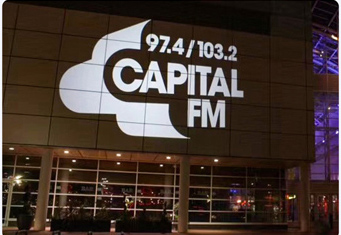
Outdoor gobo projectors are a powerful tool for businesses looking to enhance visibility and branding. Project your logo onto your building facade after hours for 24/7 brand exposure—this is especially effective for retail stores, restaurants, or hotels in busy areas. Use seasonal gobos (e.g., pumpkins for Halloween, snowflakes for Christmas) to attract customers and create a festive atmosphere.
Restaurants and cafes can use thematic gobos to enhance dining experiences: project palm leaves for a tropical vibe, candlelight patterns for a romantic setting, or sports team logos for game nights. Retail stores can guide customers with directional gobos (e.g., “Sale This Way” arrows) or highlight new products with custom patterns.
Architectural firms and property owners use gobo lighting to highlight building features—project patterns that accentuate columns, arches, or unique architectural details, turning ordinary facades into works of art.
Event & Entertainment
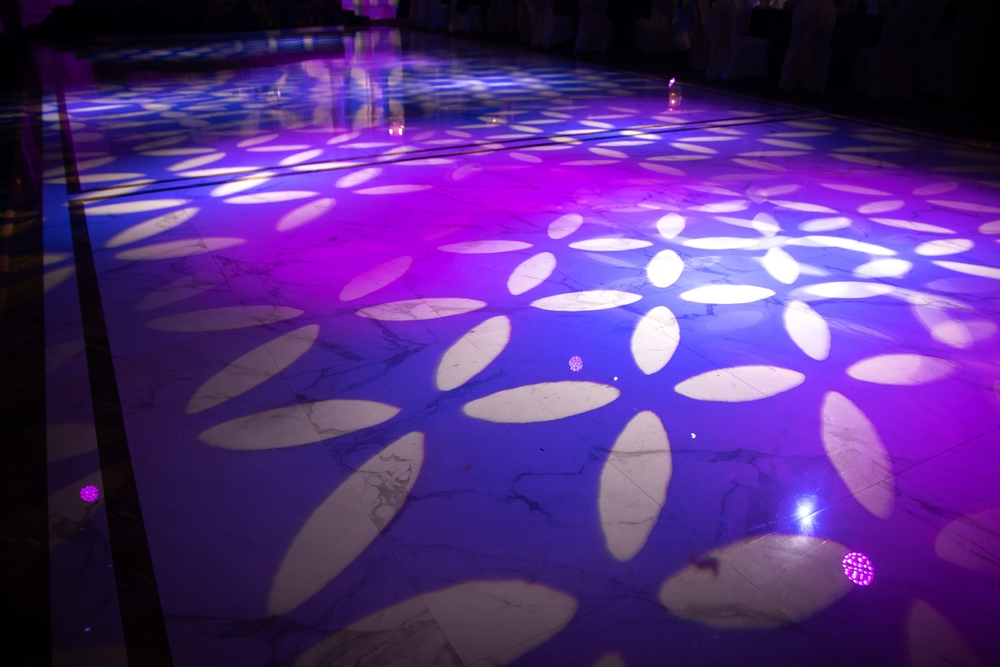
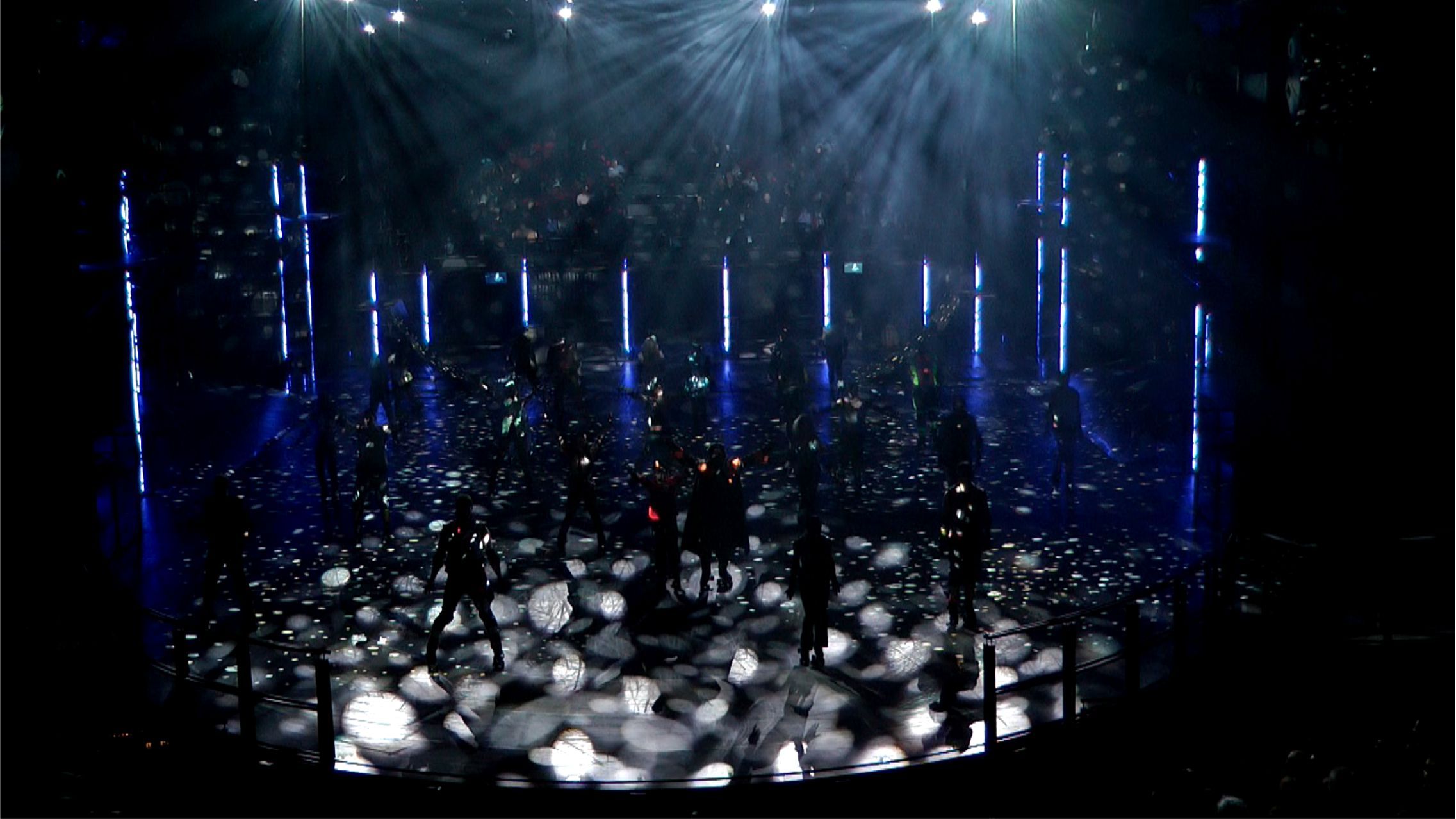
Gobo projectors are a staple for event planners, transforming venues into immersive spaces. Weddings often feature custom monograms (couples’ initials) projected onto dance floors or backdrops, while corporate events use brand logos and colors to reinforce company identity. Festivals and concerts leverage dynamic rotating gobos and color-changing LEDs to create energetic, visually stunning environments.
Holiday events come alive with seasonal gobos: haunted houses use spooky silhouettes (ghosts, bats) for Halloween, while Christmas markets project snowflakes, wreaths, or Santa Claus. Outdoor movie nights can use gobos to project titles or themed patterns before the film starts.
Residential Applications
Homeowners use outdoor gobo projectors to elevate curb appeal and create inviting outdoor spaces. Project subtle patterns (e.g., stars, flowers) onto patio floors or garden walls for evening gatherings, or use holiday gobos to decorate your home’s exterior without cluttering it with physical decor.
Swimming pools and outdoor kitchens benefit from waterproof gobo projectors—project rippling water patterns or colorful designs onto pool surfaces for a resort-like feel. For families, project cartoon characters or superhero logos in kids’ play areas to create a fun, magical space.
Why Wait? Upgrade Your Outdoor Lighting with Gobo Technology in 2025
The outdoor gobo projector market has never been more accessible or technologically advanced. With energy-efficient LED sources, weatherproof designs, and endless customization options, there’s no reason to settle for ordinary outdoor lighting. Whether you’re looking to enhance your business’s visibility, create unforgettable event experiences, or add a touch of magic to your home, investing in a quality gobo light system is an investment in creating memorable moments that last long after the sun goes down.
Light up your world in 2025 with purpose, precision, and personality—because every space deserves to make a statement.